Littleton Food Co-op

a community-owned market

  • Home
  • About
    • Departments
    • Recall Info
  • Community
    • Co-op Food Fund
    • The Weekly Radish – News & Specials!
    • Listen to Our Podcast
    • Workshops & Events
    • Diversity, Equity, & Inclusion
    • Sustainability
    • Local Art
    • Partner of the Month Program
    • Littleton Food Co-op Community Fund
    • Healthy Food Access
    • SNAP & Market Match
  • Membership
    • Become a Member!
    • Reports & Governing Documents
    • Patronage Rebates
  • Store
    • Wholesale & Special Orders
    • The Weekly Radish – Fresh Specials For Everyone!
    • Daily Menu
    • Workshops & Events
    • Littleton Co-op Loves Local!
    • Local Art
    • Buy A Gift Card Online
    • Online Ordering & Curbside Pickup
    • Party Platters from the Co-op
    • Bulk Item Lookup
  • Careers
  • Board of Directors
    • Meet the Board of Directors!
    • Co-op Board Elections
    • Join The Board
    • Reports & Governing Documents
  • Contact & FAQ
    • Become a Vendor
    • Frequently Asked Questions

Producer Spotlight: wildwonder

May 13, 2026 By Littleton Food Co-op

Producer: wildwonder

Location: San Francisco, CA

Found at the Littleton Co-op: probiotic beverages

Website: drinkwildwonder.com

Asian American, Native Hawaiian, and Pacific Islander (AANHPI) Heritage Month is celebrated worldwide to bring awareness to and honor the cross-sector contributions made by people of such cultural background. And that includes impacts in our food system! While foodies of all backgrounds collectively contribute to what we eat, how we eat, and how we produce food, Asian Americans, Native Hawaiians, and Pacific Islanders have faced widespread systemic barriers and erasure from history, making AANHPI an important time to acknowledge and celebrate those contributions and the people behind them. Furthermore, we celebrate AANHPI Heritage Month in May specifically to commemorate both the anniversary of the first arrival of a Japanese immigrant on American soil, and the completion of the Trans-Continental Railroad, whose Western-half was primarily completed by Chinese laborers. While the contribution of Asian Americans to such events was not recognized until much later, both demonstrate the obstacles, and perseverance, that deem AANHPI Heritage Month worthy of annual recognition. Read more about Littleton Co-op’s Diversity, Equity, and Inclusion (DEI) work here.

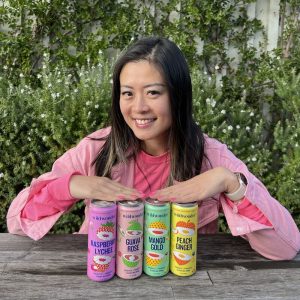
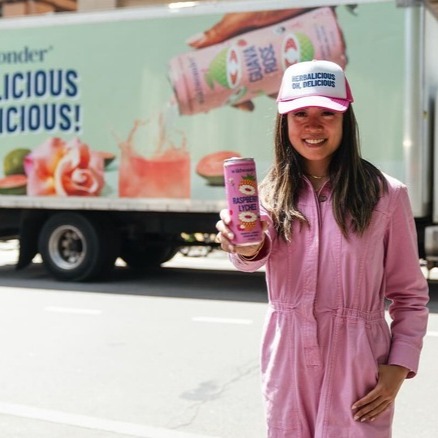
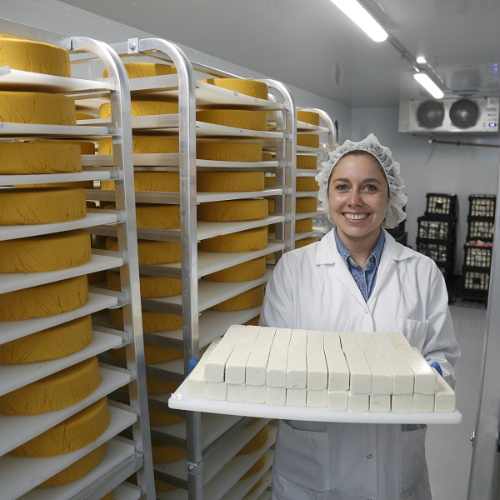
Wildwonder founder Rosa Li grew up with gut health on her mind – she just didn’t realize it at the time. All she knew during childhood in China was that her grandmother’s wild herb and botanical tonics soothed her stomach and lifted her spirits. The idea of “food as medicine” was always around, but it didn’t spark a business plan until many years later. In adulthood, Rosa became burnt out from a career in finance, and decided the first step to a revitalized life was a revitalized gut. She describes herself as a “foodie,” and says she has always shopped at farmers’ markets, feeling inspired by the especially bright and vibrant fruit found in California while she attended Stanford’s business school. She wanted to bring a product to market to honor her grandmother’s cultural health tonics, and saw fresh fruity flavors as a vehicle to make the beverages more palatable in the States – not to mention adding a new dimension of flavor. But the path to wildwonder wasn’t easy, and sales don’t always mean complete success. In Li’s words: “Female founders, minority founders, and solo founders just don’t get as much money. Being all three, I kind of get the short end of the stick. I also don’t come from the beverage industry, which historically has seen a lack of diversity. So, we’ve had to learn ways in which to be very strategic and very resourceful.” 

Rosa continues to use her own story to remind founders that success is not a straight line going upwards. Furthermore, she supports those in the path behind her, donating 5% of profits from wildwonder to organizations focusing on empowering women and marginalized communities. 


Status of product availability at the Littleton Co-op, and labeling of producers (such as local, Black-Owned Business, NH-made, etc) and product status or ingredients (gluten-free, vegan, etc) is based on available information at time of publication. The food world is an ever-changing landscape and information presented here may not reflect the most up-to-date information available.
Filed Under: The Weekly Radish Newsletter, Woman-Owned Tagged With: AANHPI Heritage Month, Producer Spotlight, Women's History Month

Producer Spotlight: Archer Jerky

May 4, 2026 By Littleton Food Co-op

Producer: Archer Jerky

Location: Los Angeles, CA

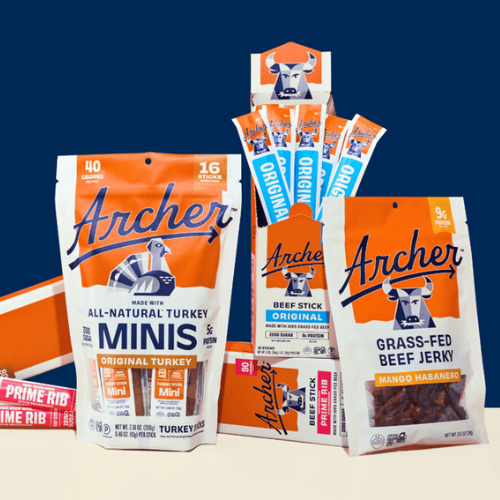
Found at the Littleton Co-op: Dried meat jerky

Website: archerjerky.com

Asian American, Native Hawaiian, and Pacific Islander (AANHPI) Heritage Month is celebrated worldwide to bring awareness to and honor the cross-sector contributions made by people of such cultural background. And that includes impacts in our food system! While foodies of all backgrounds collectively contribute to what we eat, how we eat, and how we produce food, Asian Americans, Native Hawaiians, and Pacific Islanders have faced widespread systemic barriers and erasure from history, making AANHPI an important time to acknowledge and celebrate those contributions and the people behind them. Furthermore, we celebrate AANHPI Heritage Month in May specifically to commemorate both the anniversary of the first arrival of a Japanese immigrant on American soil, and the completion of the Trans-Continental Railroad, whose Western-half was primarily completed by Chinese laborers. While the contribution of Asian Americans to such events was not recognized until much later, both demonstrate the obstacles, and perseverance, that deem AANHPI Heritage Month worthy of annual recognition. Read more about Littleton Co-op’s Diversity, Equity, and Inclusion (DEI) work here.

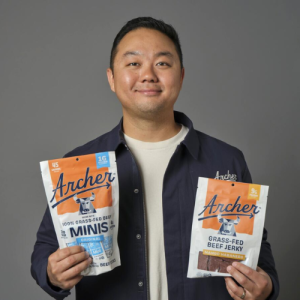
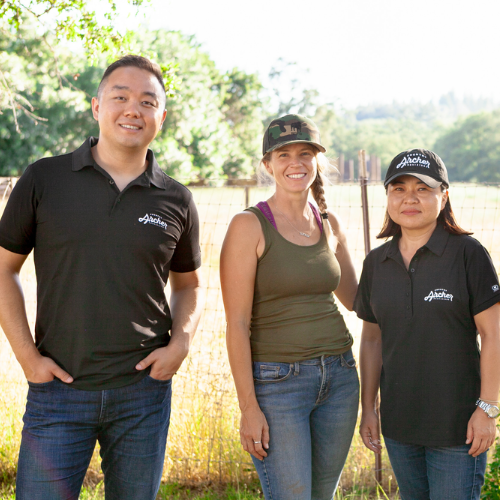
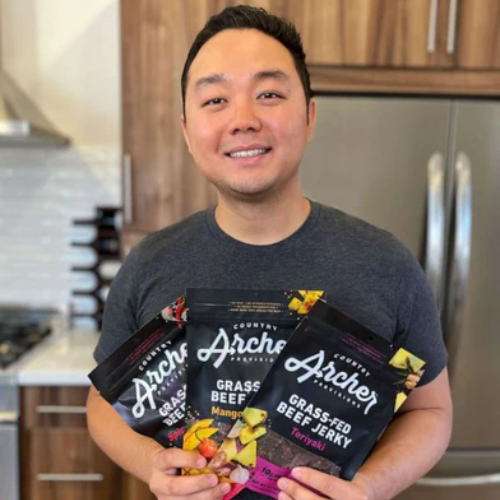
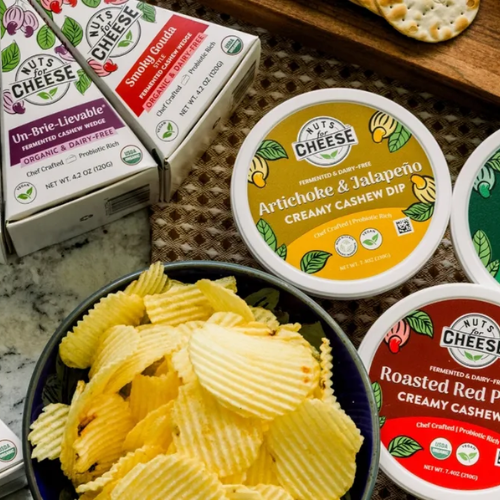
In many ways, the story and success of Archer Jerky is a full-circle moment. Founder Eugene Kang began working at his family’s convenience stores, not knowing decades later he would find his own product on such shelves. Working in his family’s stores allowed him to learn business and to see how products on the shelves, including jerky, evolved over time. He also saw the impact of his heritage on his family’s trajectory, telling Good Morning America “I grew up in a Korean immigrant household, with my grandfather coming to the country on less than $20. He started in the convenience store business because it was the business where you didn’t need to speak much English.” But it wasn’t until a trip to the Grand Canyon with his aunt Susan Kang that Eugene knew jerky was his path forward. After tasting Celestino Mirarchi’s roadside “life-changing” jerky, Eugene and Susan purchased Celestino’s business with the hopes to get the delicious jerky to people nationwide. When they partnered with Huy Fong Sriracha on Archer’s sriracha flavored jerky, customers started to take notice of Archer’s combination of bold flavors and real ingredients. 

Years later, it’s that same commitment to flavor and quality that catapulted Archer Jerky to stores nationwide that keeps customers reaching for their protein-packed snacks – even when prepping for road trips similar to the one that launched everything for Eugene Kang.


Status of product availability at the Littleton Co-op, and labeling of producers (such as local, Black-Owned Business, NH-made, etc) and product status or ingredients (gluten-free, vegan, etc) is based on available information at time of publication. The food world is an ever-changing landscape and information presented here may not reflect the most up-to-date information available.
Filed Under: The Weekly Radish Newsletter Tagged With: AANHPI Heritage Month, Producer Spotlight

Mother’s Day Brunch Ideas

May 4, 2026 By Anastasia Maher

Nothing says “I love you” better than a homemade meal, and brunch on Mother’s Day is a classic!

Spinach, Ham and Gruyere Strata
Eggs in a Basket recipe
Cherry Chocolate Tahini Rolls
Fresh Berry Parfait with Muesli Honey Bars
Asparagus and Bell Pepper Quiche
Breakfast Egg Margherita Pizza
Almond Flour Biscuits
Chocolate Cinnamon Pancakes
A(mazing) BLT

Find even more recipes in our Recipe Directory here.

Filed Under: Recipes, The Weekly Radish Newsletter Tagged With: recipes

A Message from the Board President

April 30, 2026 By Littleton Food Co-op

Dear Co-op Members,

I am honored to step into the role of Board President for the Littleton Food Co-op, and I want to begin by offering my heartfelt thanks to my predecessor, Deb Sullivan, for her extraordinary service. Deb is one of the longest-serving board members in our Co-op’s history, contributing more than eight years of leadership, wisdom, and dedication. Our Co-op is stronger because of her many contributions, and we are deeply grateful for her commitment to this community-owned store.

I am pleased to share that your Co-op is strong. We are profitable, sales continue to grow year over year, and we are supported by an exceptional team of employees who work hard every day to make shopping at the Co-op a welcoming and enjoyable experience. Their dedication, care for our members, and belief in our mission are a big part of what makes this store so special.

As many of you know, supporting local farms and businesses has always been at the heart of the Littleton Food Co-op. Bringing high-quality, locally sourced food to our shelves remains a core focus of who we are. When you shop at the Co-op, you are doing more than buying groceries — you are supporting living-wage jobs, strengthening our local economy, and helping small farms and producers thrive. The positive ripple effect our Co-op has across the North Country is something we can all be proud of.

At the same time, we know that strength today does not guarantee success tomorrow. That is why the Board, in collaboration with our new CEO, Learner Limbach, will be initiating a strategic planning process to be completed by the end of this year. This work is focused on ensuring that our Co-op remains resilient and continues to thrive well into the future. The more we thrive, the greater the positive impact we can have on our community.

A vital part of this process is your voice. In the coming days, all members will receive a survey and opportunities to share feedback and ideas. Please take time to participate — your input matters and will directly help shape the future of your Co-op.

What makes the Littleton Food Co-op truly special — and why our future is so bright — is our incredible community of more than 10,000 member-owners who believe in cooperation, local food, and community well-being.

I look forward to seeing you in the store.

Warm regards,

Timothy Healey
Board President
Littleton Food Co-op

Filed Under: board of directors, strategic planning

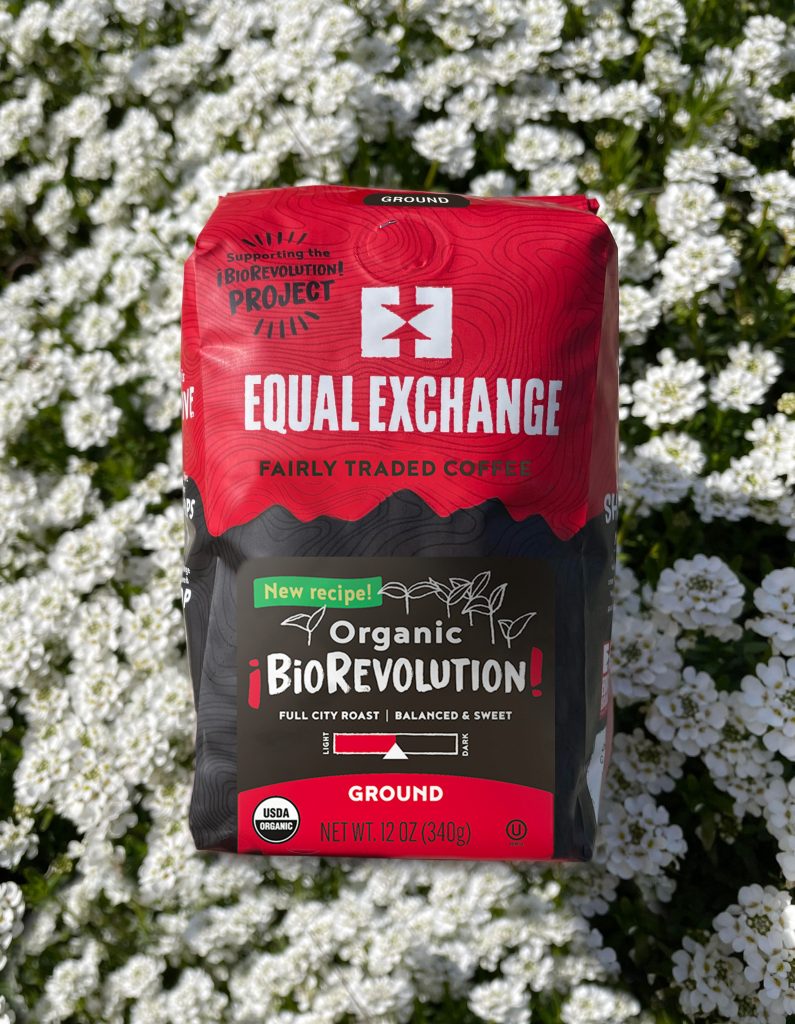
Exclusive Coffee: Only Available to Co-op Shoppers! From Equal Exchange

April 16, 2026 By Littleton Food Co-op

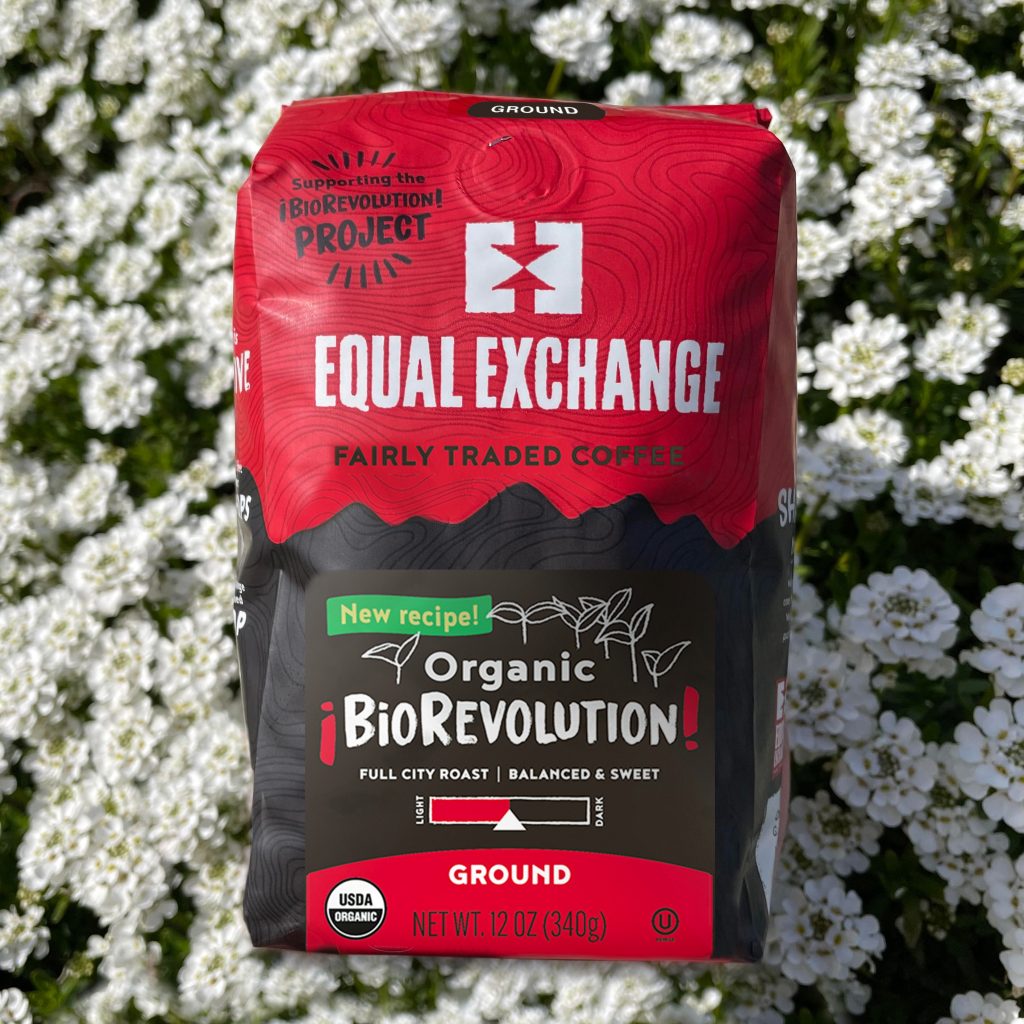
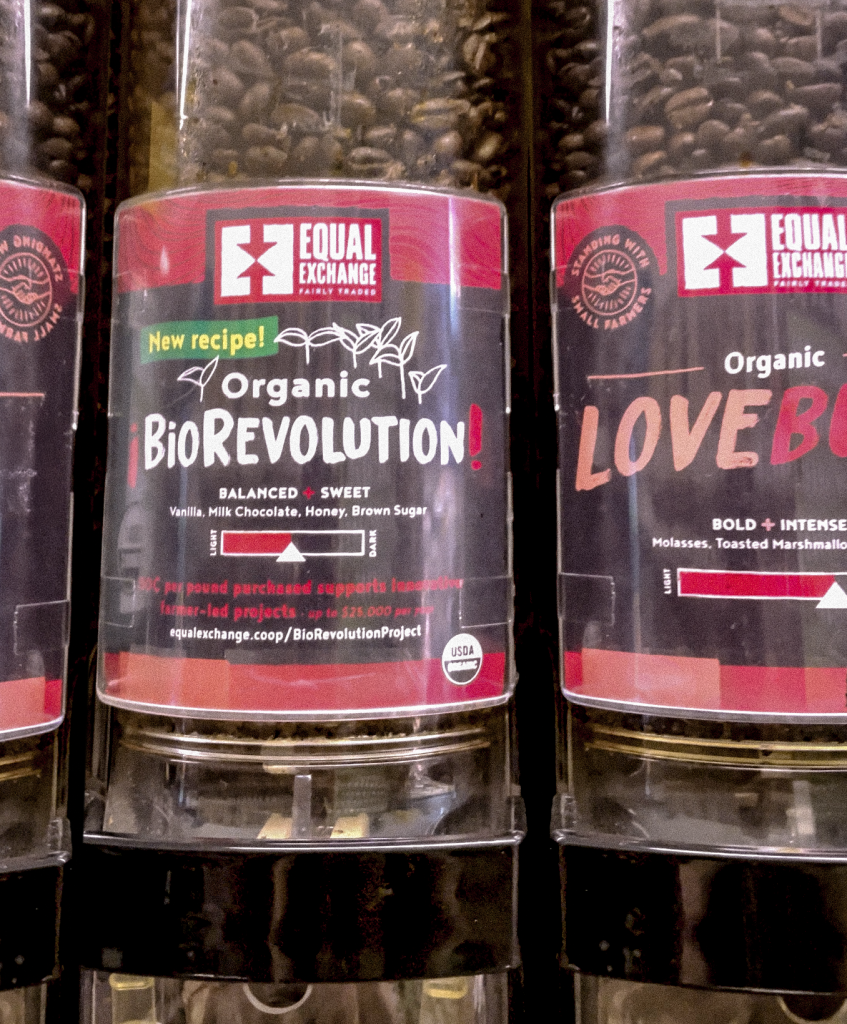
The Littleton Food Co-op has partnered with Equal Exchange, a fair trade coffee (and more!) company, to sell the special coffee Organic BioRevolution that’s only sold in food co-ops. What’s so special about it? 

1) its “beautiful co-op supply chain” 

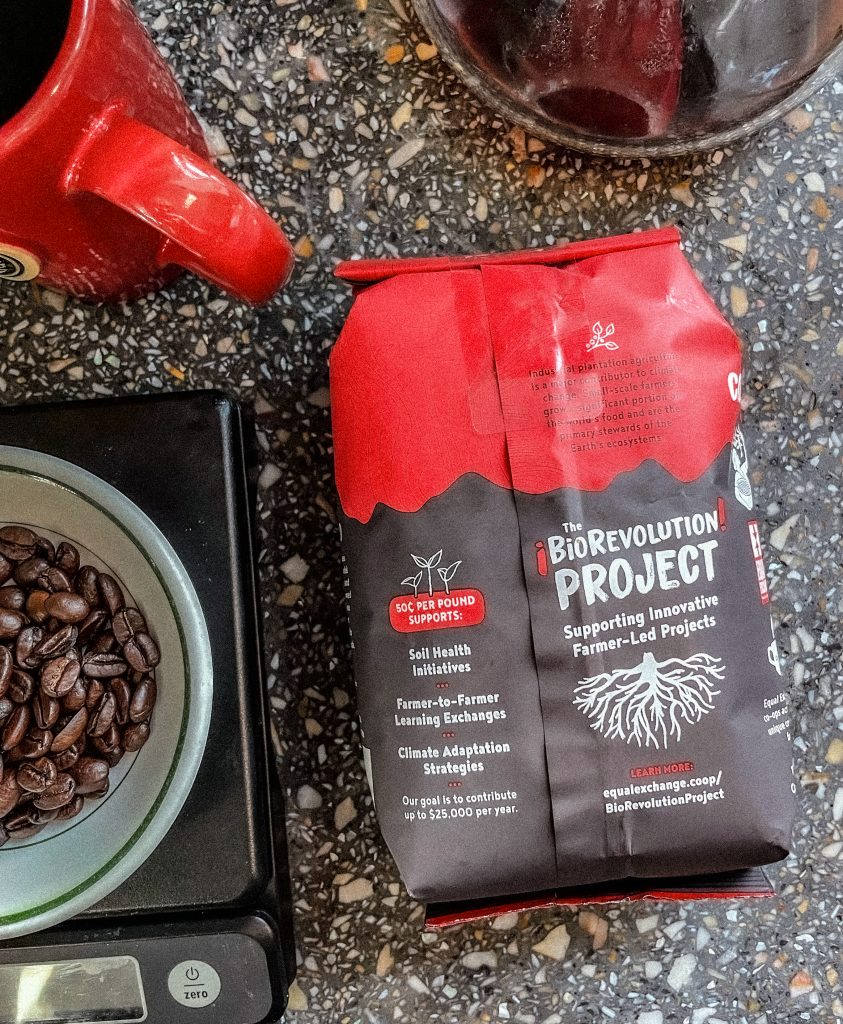
2) the extra impact oomph; 50 cents for every pound purchased funds innovative environmental resilience projects

Cooperative Power

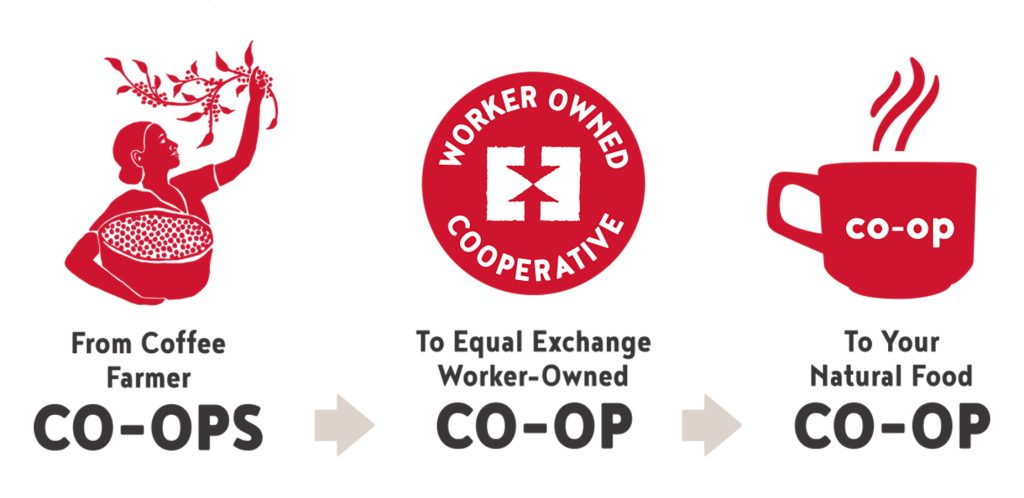
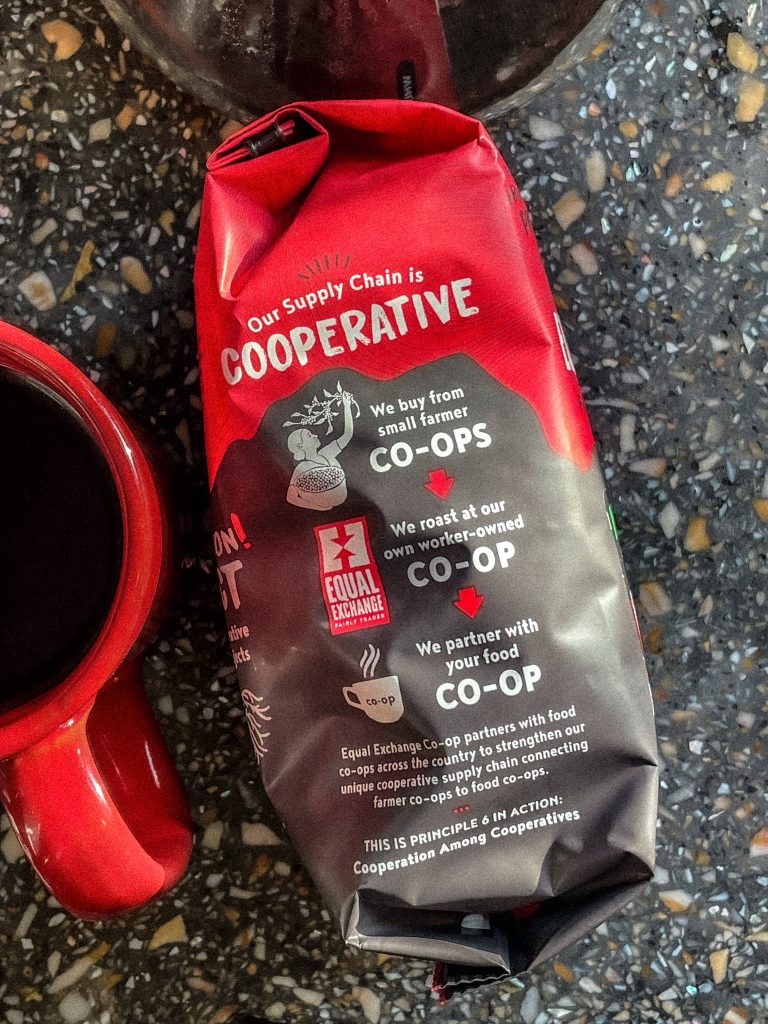
Co-ops are powerful organizational structures. By nature, co-ops form when people get together to meet a need they share that’s not being met. Members define the need and organize their own solutions, often using a combination of their own skills, labor, time, and capital. In the case of Organic BioRevolution, the supply chain from farm to shopping basket is completely cooperative. Small-scale farmers collectively work together as a co-op to cultivate and process coffee to export. Equal Exchange—a worker cooperative—sources, imports, and roasts the coffee. Trading as one co-op to another, Equal Exchange threads values into business, creating atypical terms that favor small farmers instead of marginalizing them. They pay a higher price to farmers to support organic cultivation, quality premiums, and added social premiums that benefit the farmer co-op and the surrounding community, with projects typically chosen by the farmer members.

As the middle co-op in this supply chain, Equal Exchange in turn sells roasted, organic coffee to our food co-op, working to build relationships with our store and community, just as they do with the farmer co-ops. Our trade relationship with them underscores personal connections, transparency, information-sharing, and a commitment to taking actions that build an alternative, better food system. 

Through these relationships and products, our supply chain is a beautiful and uncommon one, which is co-op to co-op to co-op. It’s a connection that is not just a simple straight line, but more like a network, with Equal Exchange connecting us not just to one farmer co-op but rather with dozens of farmer co-ops. Because each of those co-ops is owned by dozens or hundreds of individual members, our store’s membership is connected to hundreds of farmer co-op members. 

But there’s more! Because Organic BioRevolution is a coffee that is only sold to food co-ops in the US, this connection extends to dozens of food co-ops in various states and communities in the US, and by extension, on to their hundreds or thousands of members and shoppers.

A seemingly simple bag of coffee in truth connects thousands of cooperative members and allies. A purchase of this product could be considered both a spiritual vote for a cooperative movement and also a concrete economic action, directing dollars in support of the organizations who are committed to living out the cooperative ideals in practice.

Environmental Innovation

The coffee farmer co-ops in this supply chain *also* buck conventional norms in terms of farming ethos. In sharp contrast to conventional farming, with a typically extractive mentality, Equal Exchange’s farmer co-op partners are committed to organic, restorative practices. These farmers reject chemical inputs and instead work with natural resources to preserve ecosystems, enhance productivity and quality, and build healthy, resilient farms. There’s a real energy and creativity that permeates this work, of regular problem-solving and invention.

In 4 decades of partnership with small-scale farmers, Equal Exchange saw the increasing need to support farmers in addressing environmental challenges. Climate change has hoisted upon producers the need to adapt almost constantly. Organic BioRevolution is responding to that need in a unique way. For every pound of Organic BioRevolution coffee sold, Equal Exchange contributes 50 cents to a fund dedicated to environmental innovation projects led by farmer co-ops. Because of the support of co-op shoppers in the US, this fund has channeled over $100,000 to support coffee farmers, specifically in their innovative efforts at environmental resilience. 

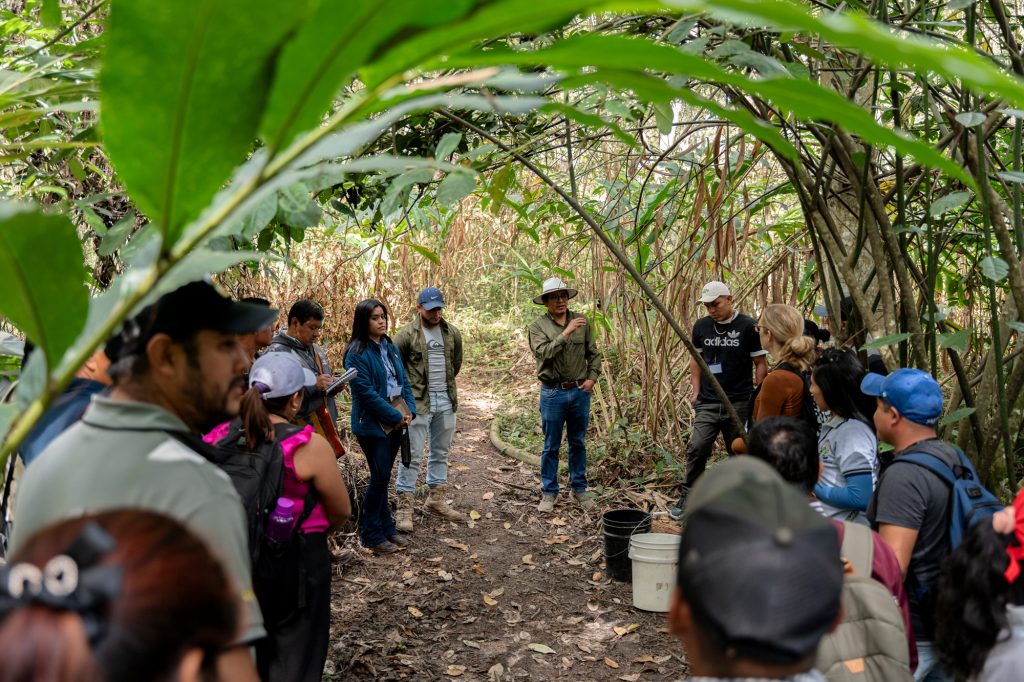
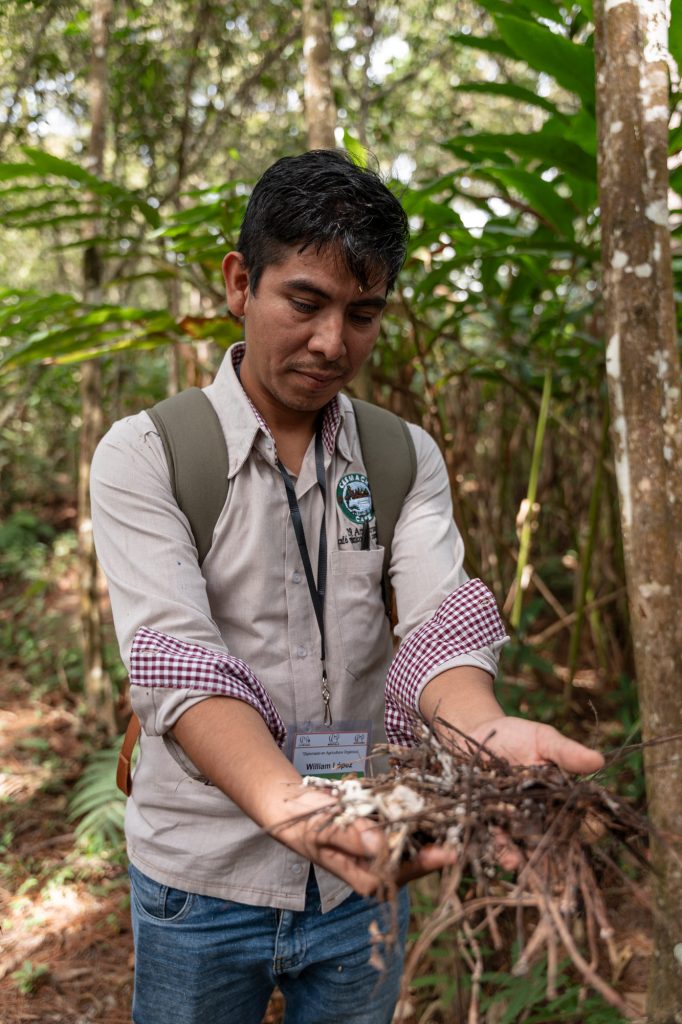
In line with the fundamental cooperative spirit of members identifying needs and solving problems themselves, these BioRevolution funds have fueled farmer-led exchanges, bringing farmers across borders together to share ideas, best practices, and inspiration. One influential project includes building living fertilizers. Instead of using a fertilizer that is simply a final end nutrient that a soil needs, these “biofertilizers” are alive, thoughtfully constructed from collecting “good” bacteria and fungi from nearby forests, to reseed farm soils with local compatible inputs. These living fertilizers increase coffee plant productivity and quality, and can strengthen the plant’s immune system to better ward off disease and pests. 

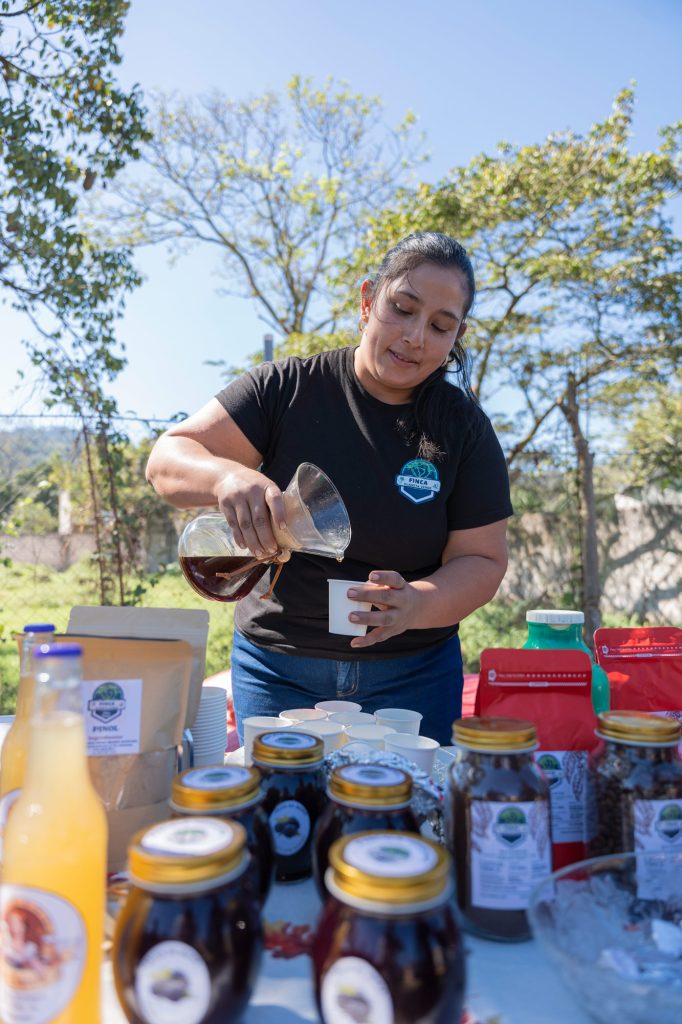
One of the newer ideas that farmers are experimenting with using the BioRevolution funds for is beekeeping. Farmers are incorporating a native stingless bee, the Melipona, into their organic farming strategies. The results are positively compounding: the populations of this native species are rebounding; their natural activities increase the pollination and therefore productivity of the coffee plants; their impact, of course, extends beyond just coffee: these pollinators help all manner of plants and crops thrive, which helps both the humans and the other fauna in these communities. The Meliponas also create a super high-quality honey, which farmers can use in their own traditional medicine practices as well as sell locally, adding an additional income stream. The farmers’ commitment to organic practices, in turn, is a meaningful benefit to these bee populations. Chemical fertilizers and pesticides are a threat to bees and other pollinators; sustainable, organic, innovative farming models allow for a more reciprocal relationship with pollinators (as well as so many other species!). Plant productivity and pollinator populations are not pitted against each other, but rather can benefit each other.

For more information on living soil, coffee, and beekeeping, and impact stories in the farmers’ own words, visit this Organic BioRevolution webpage. Purchase Organic BioRevolution to fuel the co-op to co-op to co-op connection, and to keep the impact and innovation flowing.

Images courtesy of Equal Exchange

Filed Under: Fair Trade, Sustainability, The Weekly Radish Newsletter Tagged With: Cooperative Education, Cooperatives, Equal Exchange, Fair Trade

Reflections from the Global Launch of the Initiative for Cooperatives and Civic Innovation

April 12, 2026 By Learner Limbach

This week I had the honor of representing the Littleton Food Co-op as a supporter, participant, and panelist in the two-day Global Launch of the Initiative for Cooperatives and Civic Innovation (ICCI) at UC Davis. I want to thank Professor Keith Davis for the invitation to get involved, beginning last year, and for his vision and leadership in kicking off this initiative, along with the whole steering committee and many others who brought this event together. One of my favorite things about it was that it was truly a cooperative effort!

The event convened over 100 key leaders and stakeholders who are aligned on the mission of building a world-class entrepreneurial ecosystem for co-ops, one that moves us toward a world of agency, empowerment, innovation, and economic democracy. This initiative is built on three critical pillars:

  1. Actionable Research
  2. Executive Education
  3. Incubation and Engagement

[read the full pillars and more at https://grandchallenges.ucdavis.edu/challenges/reimagining-the-land-grant-university-for-the-21st-century-beyond/icci/]

Here are some highlights from parts of the event that I had a specific role in:

  • Cooperative Case Studies from Northern Italy: 🧀🍷🍇On Day 1, I was asked to introduce and moderate a discussion with two cooperative leaders from the Emilia Romagna region of Northern Italy. Thank you to Carlo Dalmonte, President of Gruppo Caviro, the leading wine cooperative in Italy, and Michele Falzetta, Director General of Latteria Soresina, a premier Italian dairy cooperative and the world’s leading producer of Grana Padano DOP cheese. We talked about the importance of “Patient Capital” and about the circular economy, highlighted by Caviro’s system of eliminating 99% of waste from the wine-making process, turning that potential waste into value for it’s members and the community. There’s a lot we can learn here in the US from the Italian system of cooperation, and I look forward to building on this international exchange through the ICCI. Perhaps convening in Italy next! You know, just to keep it balanced. 😉
  • Incubation and Engagement Pillar: 🤝🌱On Day 2, I sat on a panel focused on the Incubation and Engagement pillar, facilitated by Richard Morris. I was joined by Colin Rinta Stewart of C-Group Cooperative, and Stephen Sudderman of the California Governor’s Office of Business and Economic Development (GO-Biz). The conversation was focused on what is needed in order to accelerate co-op development and scale the co-op system in the US. We talked about the need for co-op friendly financing, and the potential to better leverage cash we already have in the co-op system to access additional capital. We talked about the importance of cross-sector partnerships (i.e. food co-ops, producer co-ops, purchasing co-ops, electric co-ops, finance co-ops/credit unions). And we talked about cross-sector shared digital services and infrastructure needed to address common needs across co-ops and retain value and ownership of data.
  • Growing Agrifood Solutions: 🚚🔁 Later on Day 2, I participated as a discussant along with other food co-op sector folks in the Agrifoods Solutions breakout group. Anthony Goodwin of the Development Cooperative (NCG DC) presented the case for a national grocery co-op model, which is a priority of the DC currently. I’m also on the DC Board, and this was a great opportunity for us to test some ideas and get valuable feedback. Colin and I presented the vision of the Provisions Co-op Wholesale platform and its value in facilitating regional sourcing and distribution, especially by creating connected networks of food co-ops and producers leveraging shared aggregation and distribution infrastructure. There was discussion about regional coordination among food co-ops, and we heard from Chris from Briar Patch Food Co-op, Laura from Davis Food Co-op, and a contingent from Sacramento Natural Foods Co-op. We also heard from Nanyelis Diaz-Chapman of the Agricultural Platform Collective and Office of Kat Taylor about the amazing work they are doing and opportunities for collaboration to expand markets for farmers and improve food access.

Aside from these highlights, the event was valuable from a networking and relationship-building perspective, which is so important in this work. We’re building a community, and I’m excited about all the budding friendships and collaborations as much as anything. Together we are building a cooperative future!

Big thank you to everyone who participated and contributed to an inspiring week!

And thanks to each of the event supporters:

Confercoopetive Confederazione Cooperative Italiane, Cooperatione Trentina, Caviro Group, Latteria Soresina, UCD Global Affairs (Eivind Lange and Mary Puma Fund), UC Agriculture and Natural Resources, UCD Grand Challenges, UCD College of Agricultural and Environmental Sciences, Rich Morris, Development Cooperative (NCG DC), Davis Food Co-op, Littleton Food Co-op.

#CooperativeInnovation #EconomicDemocracy #SustainableAg #EconomicDevelopment #LocalEconomy #Cooperatives #CooperativeEducation #Principle6


Filed Under: Co-op Reflections from the CEO, Cooperation Tagged With: CEO, Co-op Ecosystem, Cooperative Education, Cooperative Innovation, Cooperatives, Economic Democracy, Economic Development, Local Economy, Principle 6, Sustainable Ag

Naturally Dyed Eggs

April 2, 2026 By Littleton Food Co-op

Egg dyeing is a fun way to celebrate this time of year—and it’s a tradition that goes way back—as much as 5,000 years when Persians celebrated springtime with eggs colored with plant-based dyes. Plant dyes can be just as useful today and they’re plentiful; in fact you very well might have dye-worthy ingredients in your kitchen already. Here are some great plant-based dyes, made from fruits, vegetables, spices, and flowers.

Naturally_Dyed_Eggs_HandoutDownload

Filed Under: Green Team, The Weekly Radish Newsletter Tagged With: holiday

Producer Spotlight: YAYA Organics

March 15, 2026 By Littleton Food Co-op

Producer: YAYA Organics

Location: Hopkinton, NH

Found at the Littleton Co-op: Sun and bug repellent for all ages

Website: yayaorganics.com

“From the first settlers who came to our shores, from the first American Indian families who befriended them, men and women have worked together to build this nation. Too often the women were unsung and sometimes their contributions went unnoticed. But the achievements, leadership, courage, strength, and love of the women who built America was as vital as that of the men whose names we know so well.” (President Jimmy Carter’s message designating March 2-8, 1980 as National Women’s History Week; a celebration that was soon expanded to National Women’s History Month). We’re taking the month of March to highlight and celebrate just some of the great women who have made an impact on our modern-day food system. Read more about Littleton Co-op’s Diversity, Equity, and Inclusion (DEI) work here.

A new business doesn’t have to start out solving the world’s problems; sometimes the best place to start is focusing on the problems in your own backyard. In 2014, mother-daughter duo Alex and Rebecca were fed up with all the ticks in the backyard of their New Hampshire home. And the problem wasn’t going away – only getting worse each year. When they didn’t see any repellents on the market they felt comfortable using with their families, they decided to make their own. Right in their own backyard they researched and tested plant-based oils and other ingredients. Once they unlocked the potential of this type of people, pet, and environmentally-safe formulation, the business expanded; they brought on another partner, Valeria, and moved into mosquito repellent, sunscreen, and baby-safe formulas. Now, they are a 100% women-owned company that supports outdoor exploration in backyards across the country and beyond.

YAYA Organics stands by the idea that life outside is better, and what started as a simple observation turned into a national health solution that helps everyone live outside safely. Alex, Rebecca, and Valeria are proud to all be mothers that can now protect families beyond their own through their product lines. 


Status of product availability at the Littleton Co-op, and labeling of producers (such as local, Black-Owned Business, NH-made, etc) and product status or ingredients (gluten-free, vegan, etc) is based on available information at time of publication. The food world is an ever-changing landscape and information presented here may not reflect the most up-to-date information available.

Filed Under: Local, Summer, Sustainability, Woman-Owned Tagged With: Producer Spotlight, shop local, Women's History Month

Producer Spotlight: Jaju Pierogi

March 11, 2026 By Littleton Food Co-op

Producer: Jaju Pierogi

Location: Boston, MA

Found at the Littleton Co-op: Frozen pierogi

Website: jajupierogi.com

“From the first settlers who came to our shores, from the first American Indian families who befriended them, men and women have worked together to build this nation. Too often the women were unsung and sometimes their contributions went unnoticed. But the achievements, leadership, courage, strength, and love of the women who built America was as vital as that of the men whose names we know so well.” (President Jimmy Carter’s message designating March 2-8, 1980 as National Women’s History Week; a celebration that was soon expanded to National Women’s History Month). We’re taking the month of March to highlight and celebrate just some of the great women who have made an impact on our modern-day food system. Read more about Littleton Co-op’s Diversity, Equity, and Inclusion (DEI) work here.

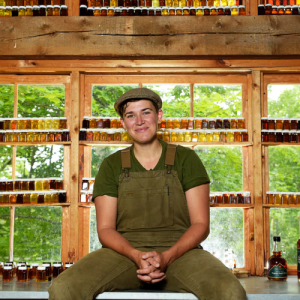
Jaju Pierogi is the brainchild of sisters Vanessa and Casey White, but is the culmination of the mix of food and family history stewarded by their Jaju (dziadziu, or grandfather in Polish). Their Jaju operated a Polish deli in Western Massachusetts that they were in and out of throughout child. Strong cultural roots and tradition also meant that pierogi was a well-revered (and well-stocked) food at home. Growing up and moving away from family meant straining their tether to high-quality pierogi and experiencing the yearning that ultimately inspired the creation of their business in honor of Jaju. When they took their original pierogi to their first farmers’ market, they sold out within an hour. Today, Jaju Pierogi is sold across the country in co-ops and national chains alike. The sisters even made an appearance on Shark Tank in 2025. Even as the business grows, Casey and Vanessa continue to make a commitment to cultivating positive community though hard work and enthusiasm – aka “the Jaju way.” 

In addition to their delicious pierogi, Casey and Vanessa are known for infusing Jaju Pierogi with humor and spirit, whether that’s by making social media memes, wearing a literal pierogi costume, or supporting a local Polish American Women’s scholarship. Vanessa even appeared on the Littleton Co-op podcast, That’s Rad, back in 2024!


Status of product availability at the Littleton Co-op, and labeling of producers (such as local, Black-Owned Business, NH-made, etc) and product status or ingredients (gluten-free, vegan, etc) is based on available information at time of publication. The food world is an ever-changing landscape and information presented here may not reflect the most up-to-date information available.
Filed Under: Woman-Owned Tagged With: Producer Spotlight, Women's History Month

Producer Spotlight: Bee’s Wrap

March 11, 2026 By Littleton Food Co-op

Producer: Bee’s Wrap

Location: Middlebury, VT

Found at the Littleton Co-op: Reusable food storage

Website: beeswrap.com

“From the first settlers who came to our shores, from the first American Indian families who befriended them, men and women have worked together to build this nation. Too often the women were unsung and sometimes their contributions went unnoticed. But the achievements, leadership, courage, strength, and love of the women who built America was as vital as that of the men whose names we know so well.” (President Jimmy Carter’s message designating March 2-8, 1980 as National Women’s History Week; a celebration that was soon expanded to National Women’s History Month). We’re taking the month of March to highlight and celebrate just some of the great women who have made an impact on our modern-day food system. Read more about Littleton Co-op’s Diversity, Equity, and Inclusion (DEI) work here.

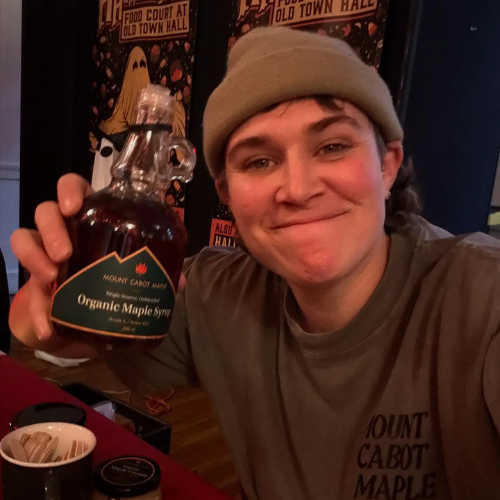
Sarah Kaeck might be one of the only people who gets inspired by food leftovers. In 2011, she founded Bee’s Wrap out of her New Haven, VT kitchen after feeling disillusioned by available food packaging options. She felt called to reduce plastic use for food and protect the environment from her family’s time outdoors in the Vermont wilderness and her passion for baking. She was introduced to beeswax; a renewable, fully biodegradable material with its own natural antibacterial properties. Now, Bee’s Wrap products are made by infusing organic cotton with beeswax, tree resin, and jojoba oil to turn it into a pliable, food safe material. Sarah also cares about her workplace environment and is determined to make Bee’s Wrap a place that is collaborative, engaged, and supportive of its workers. She is acutely aware of challenges in the workplace that overwhelmingly affect women, and implements policies, like flexible work hours and family-friendly benefits, to support a gender-balanced workforce.   

Bee’s Wrap is sold across the world, and has had a number of positive endorsements from press outlets and loyal customers alike. While the company was sold to a private investor in 2021, it continues to be run by Kaeck out of Vermont and continues to offer good care for good food.


Status of product availability at the Littleton Co-op, and labeling of producers (such as local, Black-Owned Business, NH-made, etc) and product status or ingredients (gluten-free, vegan, etc) is based on available information at time of publication. The food world is an ever-changing landscape and information presented here may not reflect the most up-to-date information available.
Filed Under: Local, Sustainability, Woman-Owned Tagged With: Producer Spotlight, shop local, Women's History Month

  • 1
  • 2
  • 3
  • …
  • 18
  • Next Page »


Upcoming Events


Littleton Food Co-op Board Meeting

Littleton Food Co-op Board Meeting

May 18, 2026, 5:00 pm - 6:30 pm
Join us each month for our upcoming board meetings on Zoom or in person.
Bike Maintenance at the Co-op with LHS Bike Tech

Bike Maintenance at the Co-op with LHS Bike Tech

May 19, 2026, 4:00 pm - 6:00 pm
Bring your bike to get ready for spring riding with students of LHS's Bike Tech Program Tuesday, May 19 from …
Celebrating 40 Years of Fair Trade with Equal Exchange

Celebrating 40 Years of Fair Trade with Equal Exchange

June 4, 2026, 5:00 pm - 6:00 pm
Equal Exchange, a leader in the Fair Trade movement, is celebrating 40 years of transparency and democracy. Come learn and …

View more events here!


Social Icons

Get Our Weekly Newsletter

Every Thursday we release The Weekly Radish, our Co-op newsletter. This contains our latest specials, coupons, member updates, fun articles, recipes, community news, and more. Get it right in your inbox each week! We promise to never share your info, and we will never spam you.

* indicates required
43 Bethlehem Road· On the corner of Cottage St and Rte 302· Exit 41 off I-93· 603-444-2800
Littleton Consumer Cooperative Society, Inc. ®2019 · Designed by Notchnet