Producer: Sweet Rowen Farmstead
Location: West Glover, VT
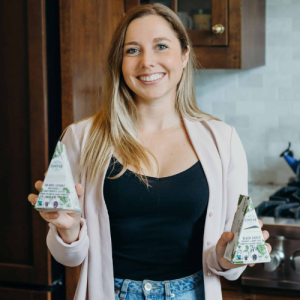
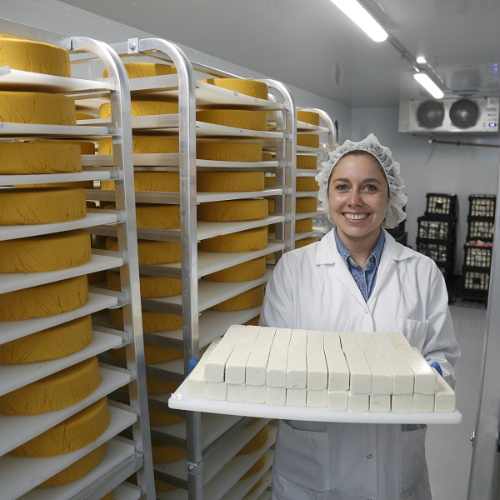
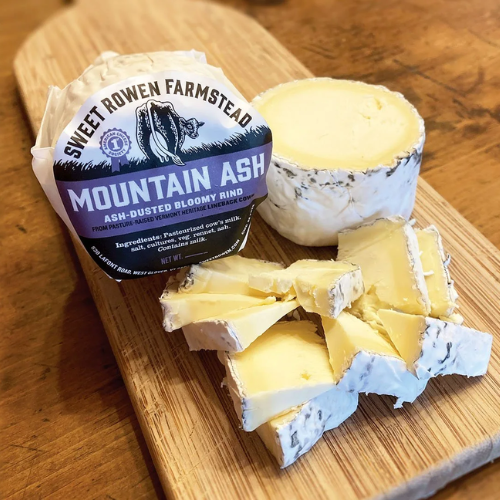
Found at the Littleton Co-op: spreadable farmers cheese, bloomy rind cheese, cheese curds, milk
Website: sweetrowen.com
Dairy production has a long and significant history in the United States, which we celebrate in June with National Dairy Month. The recognition, dating back to 1937, was originally called National Milk Month, and was started to promote milk during a national surplus. Before modern refrigeration, milk was not popular with consumers in the warm summer months, but farm milk production continued. Today, we move beyond milk to honor the contributions of dairy and the hardworking people who stand behind it. Not only does milk and dairy offer nutritional value to a daily diet, supporting local dairy means supporting local family farms persevering in an especially difficult and volatile industry. At the Littleton Food Co-op, we are honored to support local and regional dairy producers, and are excited to share a glimpse at some of their stories in June and beyond.
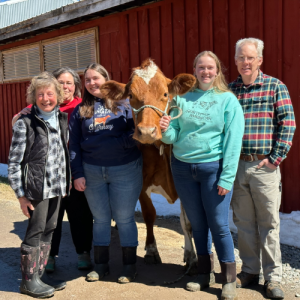
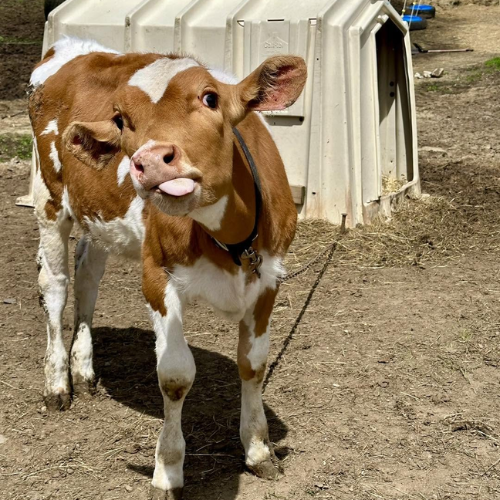
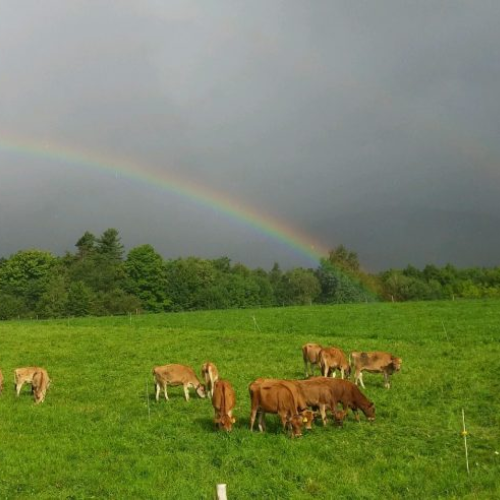
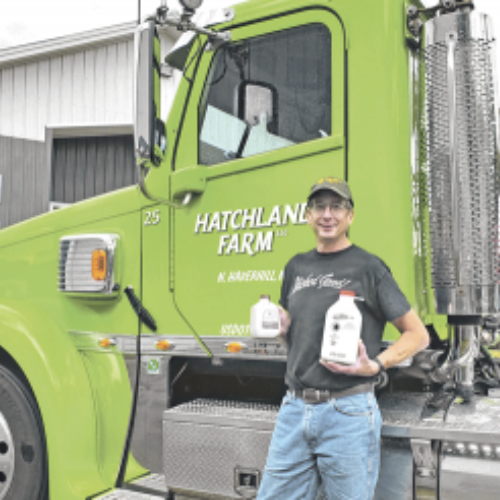
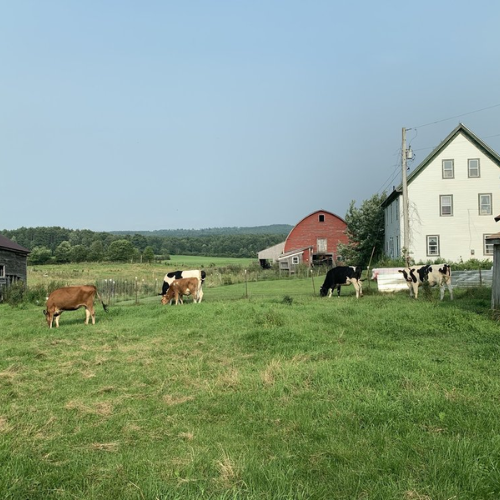
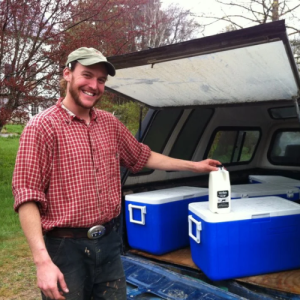
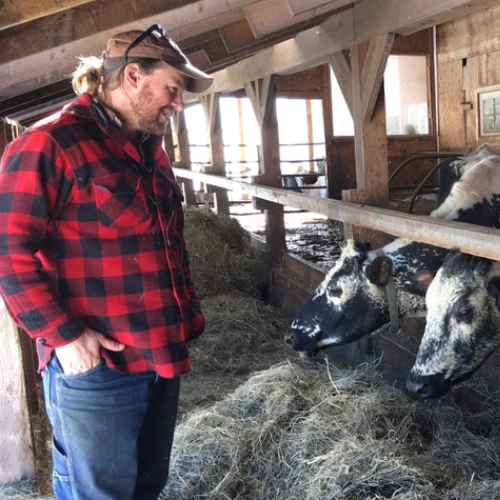
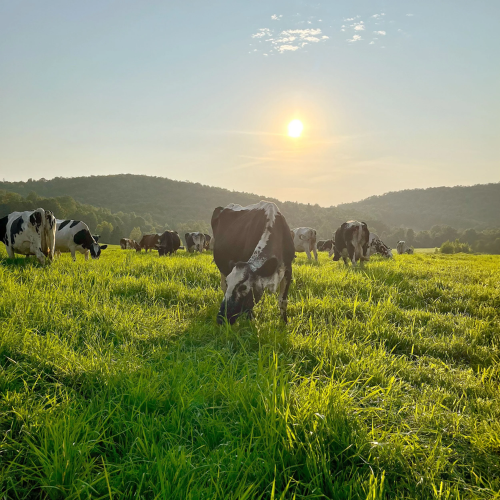
Paul Lisai didn’t set out to be a farmer, let alone a dairy farmer. Growing up in Vermont, he wanted a sustainable, regenerative livelihood from the land – dairy farming just so happened to fit the bill. His eventual farmstead’s name came from his time working on other farms, when farmers would ask him to get the sweeter, finer second cuts of hay for their cows, also called rowen. Sweet Rowen Farmstead started in 2011 with eight cows, and now milks over 60 cows on 500 acres of crop and pasture land. The cows are neither Guernsey nor Jersey, but a critically endangered breed called Vermont Heritage Linebacks. Vermont Heritage Linebacks evolved from the Randall Lineback cow, a landrace breed. Rather than going through selective breeding, landrace breeds were allowed to adapt to the climate and environment around them – Randall Linebacks adapted to Vermont, and Vermont Heritage Linebacks adapted to the Northeast Kingdom. Perhaps that’s why their milk won the Best Quality Award for Vermont in 2024.
In addition to providing the utmost quality for his cows and consumers, Paul has started numerous environmental initiatives on Sweet Rowan. The farm does not plow or till, which has resulted in an 0.5%-1% increase in organic soil matter, and catches water runoff to conserve resources, especially in droughts.
Status of product availability at the Littleton Co-op, and labeling of producers (such as local, Black-Owned Business, NH-made, etc) and product status or ingredients (gluten-free, vegan, etc) is based on available information at time of publication. The food world is an ever-changing landscape and information presented here may not reflect the most up-to-date information available.