Littleton Food Co-op

a community-owned market

  • Home
  • About
    • Departments
    • Recall Info
  • Community
    • Co-op Food Fund
    • The Weekly Radish – News & Specials!
    • Listen to Our Podcast
    • Workshops & Events
    • Diversity, Equity, & Inclusion
    • Sustainability
    • Local Art
    • Partner of the Month Program
    • Littleton Food Co-op Community Fund
    • Healthy Food Access
    • SNAP & Market Match
  • Membership
    • Become a Member!
    • Reports & Governing Documents
    • Patronage Rebates
  • Store
    • Wholesale & Special Orders
    • The Weekly Radish – Fresh Specials For Everyone!
    • Daily Menu
    • Workshops & Events
    • Littleton Co-op Loves Local!
    • Local Art
    • Buy A Gift Card Online
    • Online Ordering & Curbside Pickup
    • Party Platters from the Co-op
    • Bulk Item Lookup
  • Careers
  • Board of Directors
    • Meet the Board of Directors!
    • Co-op Board Elections
    • Join The Board
    • Reports & Governing Documents
  • Contact & FAQ
    • Become a Vendor
    • Frequently Asked Questions

Producer Spotlight: Sweet Rowen Farmstead

June 11, 2026 By Littleton Food Co-op

Producer: Sweet Rowen Farmstead

Location: West Glover, VT

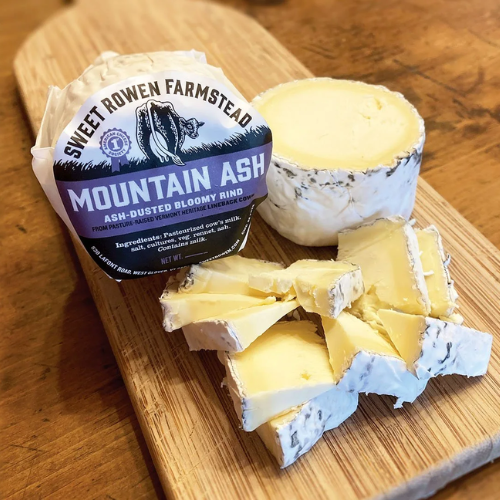
Found at the Littleton Co-op: spreadable farmers cheese, bloomy rind cheese, cheese curds, milk

Website: sweetrowen.com

Dairy production has a long and significant history in the United States, which we celebrate in June with National Dairy Month. The recognition, dating back to 1937, was originally called National Milk Month, and was started to promote milk during a national surplus. Before modern refrigeration, milk was not popular with consumers in the warm summer months, but farm milk production continued. Today, we move beyond milk to honor the contributions of dairy and the hardworking people who stand behind it. Not only does milk and dairy offer nutritional value to a daily diet, supporting local dairy means supporting local family farms persevering in an especially difficult and volatile industry. At the Littleton Food Co-op, we are honored to support local and regional dairy producers, and are excited to share a glimpse at some of their stories in June and beyond.

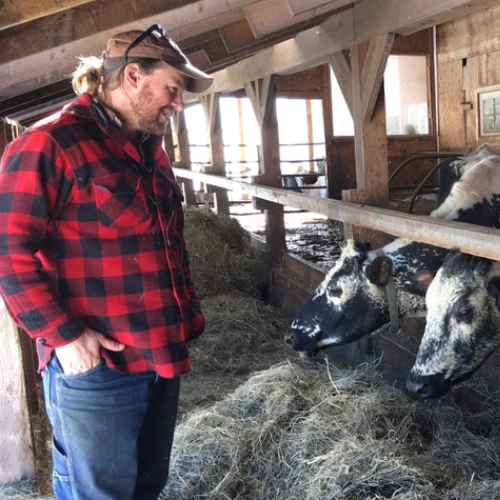
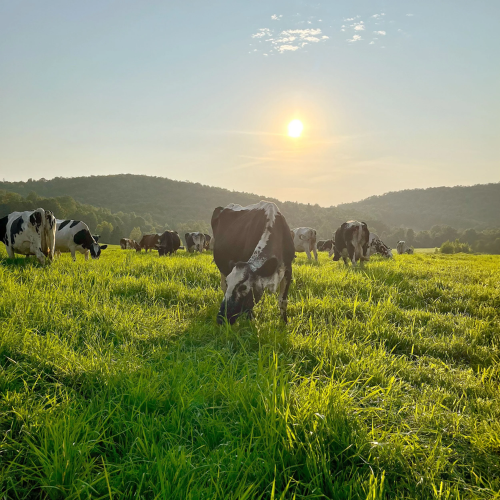
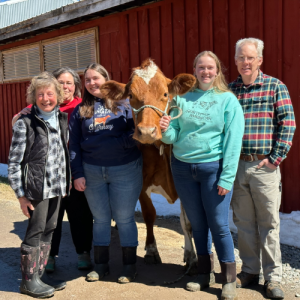
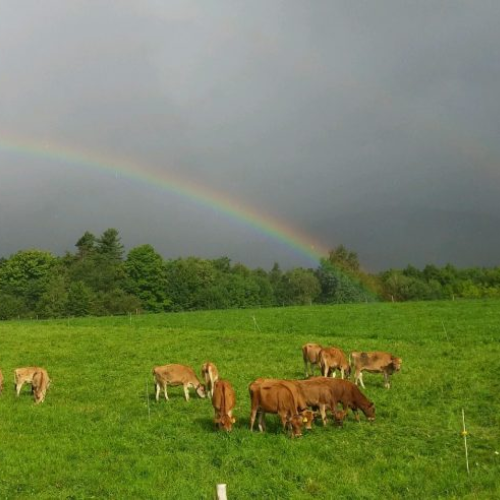
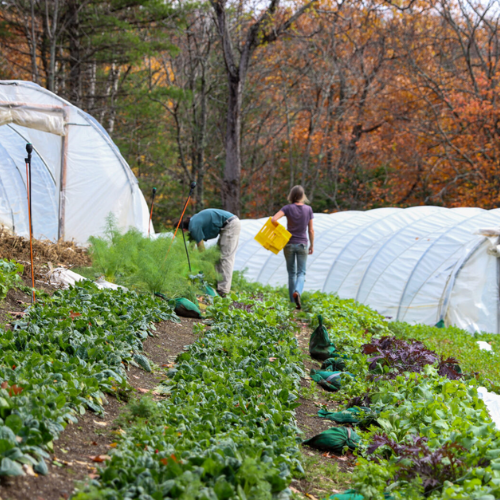
Paul Lisai didn’t set out to be a farmer, let alone a dairy farmer. Growing up in Vermont, he wanted a sustainable, regenerative livelihood from the land – dairy farming just so happened to fit the bill. His eventual farmstead’s name came from his time working on other farms, when farmers would ask him to get the sweeter, finer second cuts of hay for their cows, also called rowen. Sweet Rowen Farmstead started in 2011 with eight cows, and now milks over 60 cows on 500 acres of crop and pasture land. The cows are neither Guernsey nor Jersey, but a critically endangered breed called Vermont Heritage Linebacks. Vermont Heritage Linebacks evolved from the Randall Lineback cow, a landrace breed. Rather than going through selective breeding, landrace breeds were allowed to adapt to the climate and environment around them – Randall Linebacks adapted to Vermont, and Vermont Heritage Linebacks adapted to the Northeast Kingdom. Perhaps that’s why their milk won the Best Quality Award for Vermont in 2024. 

In addition to providing the utmost quality for his cows and consumers, Paul has started numerous environmental initiatives on Sweet Rowan. The farm does not plow or till, which has resulted in an 0.5%-1% increase in organic soil matter, and catches water runoff to conserve resources, especially in droughts.


Status of product availability at the Littleton Co-op, and labeling of producers (such as local, Black-Owned Business, NH-made, etc) and product status or ingredients (gluten-free, vegan, etc) is based on available information at time of publication. The food world is an ever-changing landscape and information presented here may not reflect the most up-to-date information available.
Filed Under: The Weekly Radish Newsletter Tagged With: Dairy Month, local farms, Producer Spotlight

Producer Spotlight: Huckins Farm

June 8, 2026 By Littleton Food Co-op

Producer: Huckins Farm

Location: North Hampton, NH

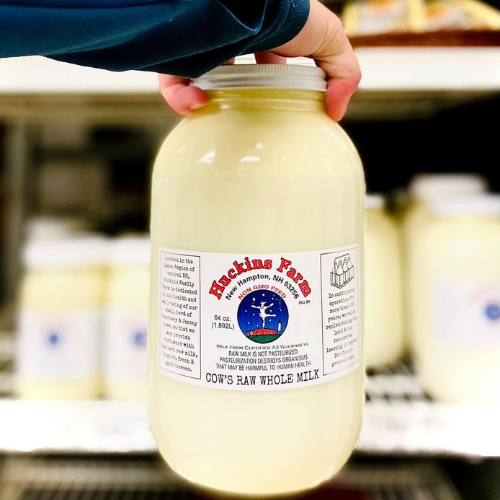
Found at the Littleton Co-op: raw milk and yogurt

Website: huckinsfarm.org

Dairy production has a long and significant history in the United States, which we celebrate in June with National Dairy Month. The recognition, dating back to 1937, was originally called National Milk Month, and was started to promote milk during a national surplus. Before modern refrigeration, milk was not popular with consumers in the warm summer months, but farm milk production continued. Today, we move beyond milk to honor the contributions of dairy and the hardworking people who stand behind it. Not only does milk and dairy offer nutritional value to a daily diet, supporting local dairy means supporting local family farms persevering in an especially difficult and volatile industry. At the Littleton Food Co-op, we are honored to support local and regional dairy producers, and are excited to share a glimpse at some of their stories in June and beyond.

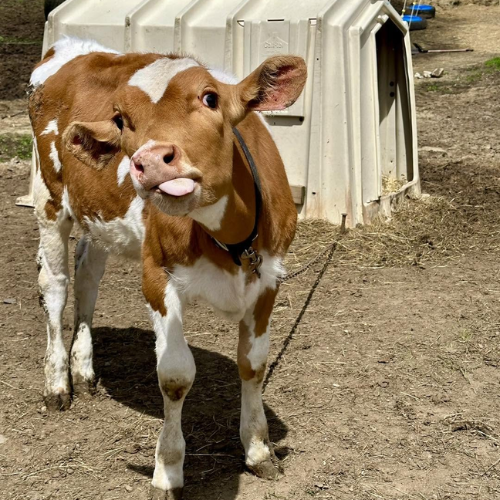
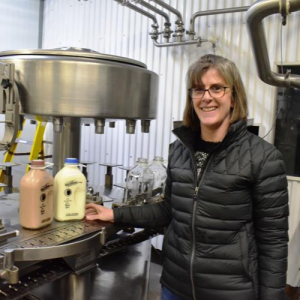
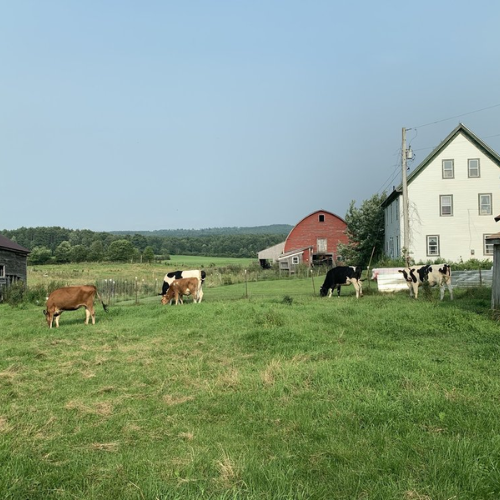
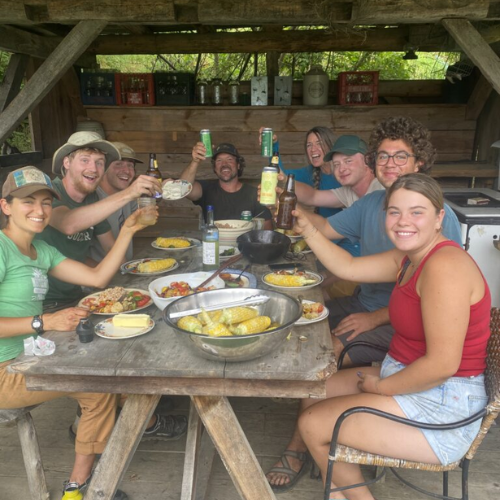
The story of Huckins Farm in New Hampton, NH goes back over 200 years ago, but the farm and micro-dairy we know it as today started to take shape in 1906 when it was purchased by the Huckins family. It continues to be family-owned, with Matty Huckins at the helm. She arrived on the farm with her late husband in 1988, with no knowledge or experience but a love for animals. Together, their mission is to provide wholesome, nutritious products for you and your loved ones while promoting education through workshops and classes as we work together to cultivate a more healthy, sustainable, and loving world. The farm specializes in raw, meaning unpasteurized, milk and raw milk products, firmly believing in the power of the probiotics and enzymes lost from pasteurization. Their 16 Guernsey cows, each with their own documented name and personality, go through pasture-based rotational grazing (except in the winter) and the care of a nutritionist. Approximately 128 acres of Huckins’ farmland is permanently protected from development through the local Lakes Region Conservation Trust. 

While holding strong through support from family and friends, Matty was still looking for a family successor in 2022. Her Lakes Region neighborhood has withstood the fall of local, family-owned dairies – unlike many New Hampshire areas – so she is hoping that she will be able to eventually pass the baton.


Status of product availability at the Littleton Co-op, and labeling of producers (such as local, Black-Owned Business, NH-made, etc) and product status or ingredients (gluten-free, vegan, etc) is based on available information at time of publication. The food world is an ever-changing landscape and information presented here may not reflect the most up-to-date information available.
Filed Under: The Weekly Radish Newsletter Tagged With: Dairy Month, local farms, Producer Spotlight, Women's History Month

Producer Spotlight: Butterworks Farm

June 8, 2026 By Littleton Food Co-op

Producer: Butterworks Farm

Location: Westfield, VT

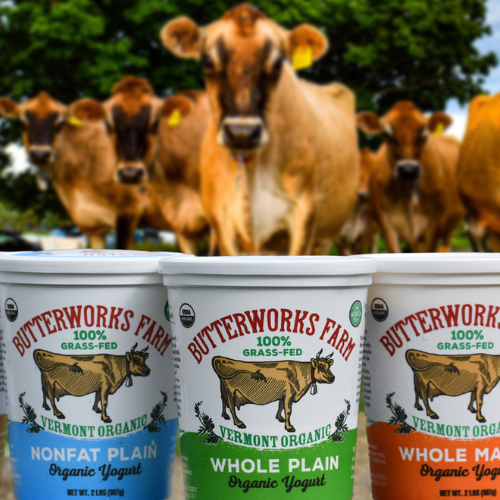
Found at the Littleton Co-op: yogurt, kefir, buttermilk, heavy cream

Website: butterworksfarm.com

Dairy production has a long and significant history in the United States, which we celebrate in June with National Dairy Month. The recognition, dating back to 1937, was originally called National Milk Month, and was started to promote milk during a national surplus. Before modern refrigeration, milk was not popular with consumers in the warm summer months, but farm milk production continued. Today, we move beyond milk to honor the contributions of dairy and the hardworking people who stand behind it. Not only does milk and dairy offer nutritional value to a daily diet, supporting local dairy means supporting local family farms persevering in an especially difficult and volatile industry. At the Littleton Food Co-op, we are honored to support local and regional dairy producers, and are excited to share a glimpse at some of their stories in June and beyond.

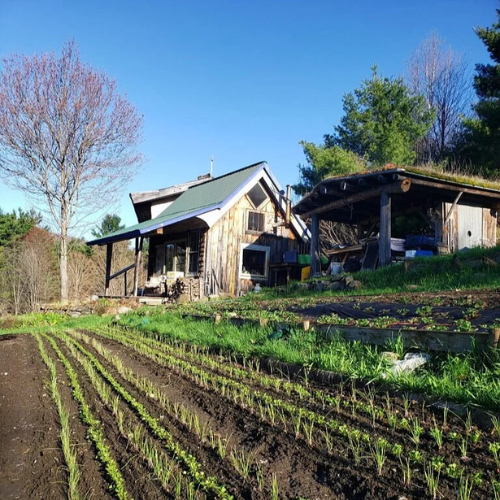
When the Lazor family started Butterworks Farm in Westfield, VT back in 1976, there was no other farm they knew doing what they set out to do. Thus, with no map to follow to create Vermont’s first organic yogurt, they led with what they had: the values of self-sufficiency, value-added dairy products, and land stewardship. That led to a 400-acre spread in the Northeast Kingdom of Vermont supporting 76 100% grass-fed Jersey cows and a position as a leader in the field of organic dairy. The cows produce high-butterfat and high-protein milk and yogurt as they are treated to high quality pasture, free choice minerals, and plenty of space to move. After the passing of Lazor family patriarch Jack in 2020, the next generation Lazors and owners came to the difficult decisions to sell the creamery and land. Butterworks was purchased in 2024 by Anthony Calderaro, a NH technology executive with an interest in healthy food. After the sale he told Seven Days “I was very excited about this farm because they do it the right way,” he said. “I have this huge passion to take this great product and take it to the next level.” 


The original Lazor owners, Jack and Anne, were honored with the Vermont Agricultural Hall of Fame lifetime achievement award in 2019. New owner Calderaro also told Seven Days he wants to continue the Lazor legacy and create a culture “where people enjoy working there and we pay them fairly, where people can go on vacation. You know, life can’t be just work.”


Status of product availability at the Littleton Co-op, and labeling of producers (such as local, Black-Owned Business, NH-made, etc) and product status or ingredients (gluten-free, vegan, etc) is based on available information at time of publication. The food world is an ever-changing landscape and information presented here may not reflect the most up-to-date information available.
Filed Under: The Weekly Radish Newsletter Tagged With: Dairy Month, local farms, Producer Spotlight

Producer Spotlight: Hatchland Farm

June 4, 2026 By Littleton Food Co-op

Producer: Hatchland Farm

Location: North Haverhill, NH

Found at the Littleton Co-op: milk and cream

Website: facebook.com/hatchlandfarm

Dairy production has a long and significant history in the United States, which we celebrate in June with National Dairy Month. The recognition, dating back to 1937, was originally called National Milk Month, and was started to promote milk during a national surplus. Before modern refrigeration, milk was not popular with consumers in the warm summer months, but farm milk production continued. Today, we move beyond milk to honor the contributions of dairy and the hardworking people who stand behind it. Not only does milk and dairy offer nutritional value to a daily diet, supporting local dairy means supporting local family farms persevering in an especially difficult and volatile industry. At the Littleton Food Co-op, we are honored to support local and regional dairy producers, and are excited to share a glimpse at some of their stories in June and beyond.

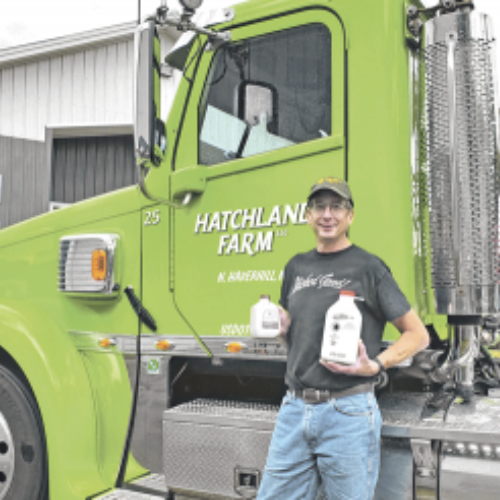
Some entrepreneurs have an internal battle on whether or not they should start their business before they dive in; for Howard Hatch, it required going through an actual war. Howard went to the Thompson School of Agriculture at the University of New Hampshire and worked on other NH farms as a herdsman. The Vietnam War draft changed everything. After serving in Vietnam in the 70th Combat Engineer Unit he knew he could no longer be someone else’s herdsman; he longed to work for himself on his own farm. He bought property in North Haverhill, NH in 1971, and by 1999 he was purchasing an additional property to expand operations. Not only did direct customers love Hatchland Farm’s milk, so did other companies; to this day, the milk from North Haverhill is sold under the Hatchland brand and under private labels for distributors in the northeast. The farm is home to over 600 cows, mainly Holsteins.

Perhaps most gratifying for the original Hatch patriarch: Hatchland Farm has remained a family owned and operated business. Howard Hatch now co-owns the farm with his wife and two adult children. Daughter Kristen has also spoken of getting her daughter, Emily, involved in the business to continue the local dairy legacy.


Status of product availability at the Littleton Co-op, and labeling of producers (such as local, Black-Owned Business, NH-made, etc) and product status or ingredients (gluten-free, vegan, etc) is based on available information at time of publication. The food world is an ever-changing landscape and information presented here may not reflect the most up-to-date information available.
Filed Under: The Weekly Radish Newsletter Tagged With: Dairy Month, local farms, Producer Spotlight

Producer Spotlight: White Mountain Apiary

March 3, 2026 By Littleton Food Co-op

Producer: White Mountain Apiary & Bee Farm

Location: Whitefield, NH

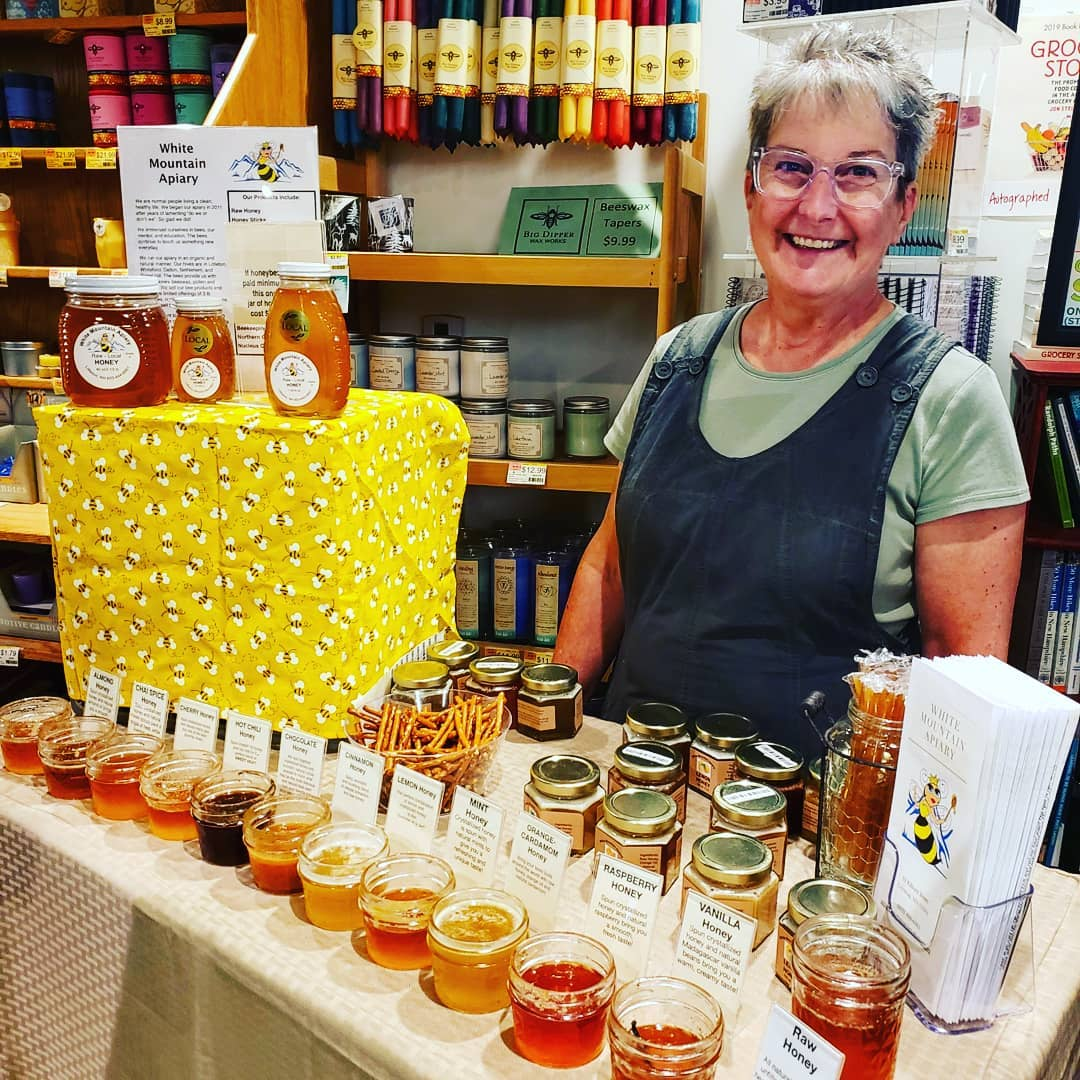
Found at the Littleton Co-op: Honey, bee pollen, beeswax cleaning products, and other bee by-products

Website: whitemountainapiary.com

“From the first settlers who came to our shores, from the first American Indian families who befriended them, men and women have worked together to build this nation. Too often the women were unsung and sometimes their contributions went unnoticed. But the achievements, leadership, courage, strength, and love of the women who built America was as vital as that of the men whose names we know so well.” (President Jimmy Carter’s message designating March 2-8, 1980 as National Women’s History Week; a celebration that was soon expanded to National Women’s History Month). We’re taking the month of March to highlight and celebrate just some of the great women who have made an impact on our modern-day food system. Read more about Littleton Co-op’s Diversity, Equity, and Inclusion (DEI) work here.

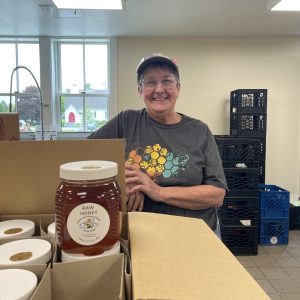
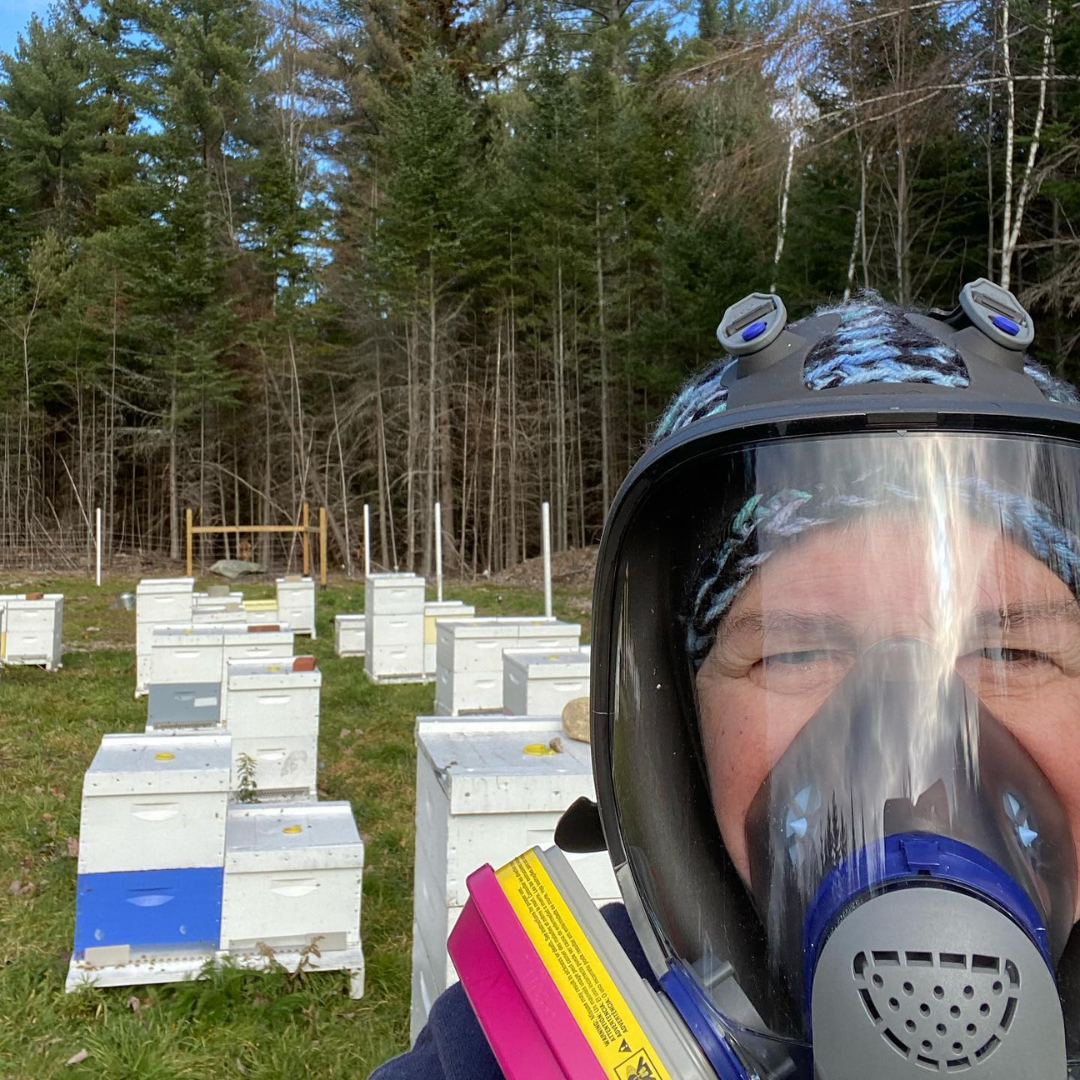
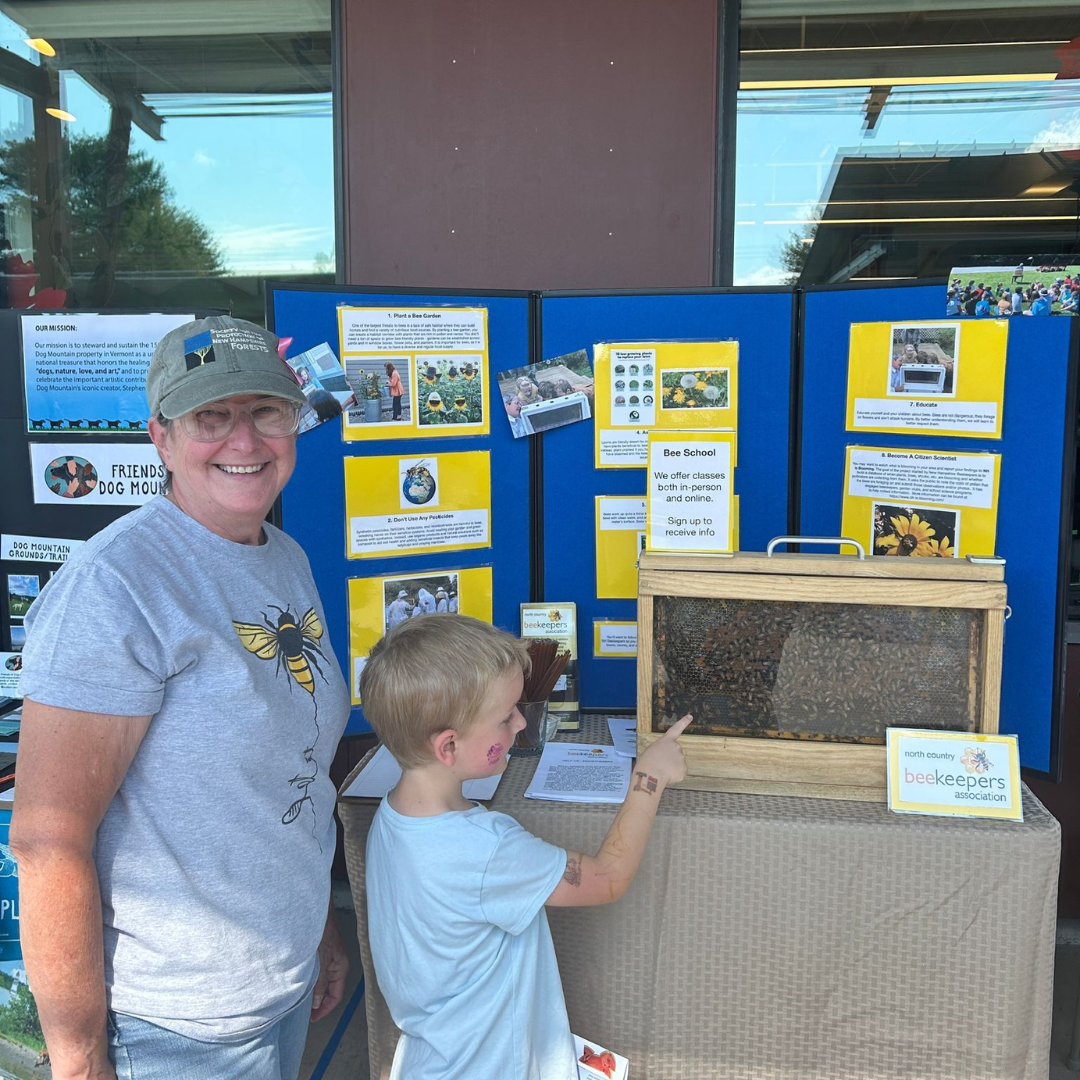
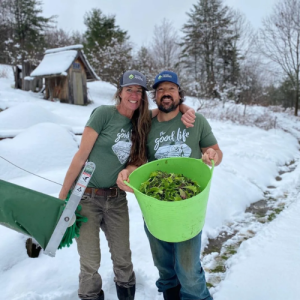
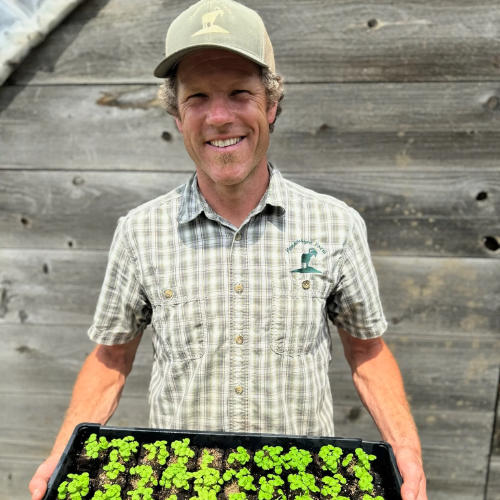
“To bee or not to bee?” That was (sort of) the question lamenting Janice Mercieri and her husband Joe for years before they officially opened White Mountain Apiary & Bee Farm in 2011 in Whitefield, NH. The duo quickly got to work and immersed themselves in bees and education; Janice even received a Master Beekeeping Certificate from Cornell University. Fast forward to today and Janice is perhaps the North Country of NH’s most called upon apiary expert. Janice and White Mountain Apiary wholesale bee products, retail bee equipment, grow queens and colonies for other NH and VT beekeepers, and offer classes and lectures on beekeeping, bee preservation, and more across the region. She acts as President of the North Country Beekeepers Association and sits on the Executive Board of the New Hampshire Beekeepers Association. She was awarded New Hampshire Beekeeper of the Year in 2021 and Coos County Business Leader of the Year in 2023 in recognition of her contributions to both communities.

The story of White Mountain Apiary & Bee Farm is one that demonstrates the opportunities that can come from taking a risk and pursuing a dream. The Co-op is proud to support Janice and White Mountain Apiary’s pursuit by offering a retail outlet for their locally-made honey and other bee products.


Status of product availability at the Littleton Co-op, and labeling of producers (such as local, Black-Owned Business, NH-made, etc) and product status or ingredients (gluten-free, vegan, etc) is based on available information at time of publication. The food world is an ever-changing landscape and information presented here may not reflect the most up-to-date information available.
Filed Under: Farms, Local, Woman-Owned Tagged With: local farms, Producer Spotlight, shop local, Women's History Month

Producer Spotlight: Slopeside Farm

February 24, 2026 By Littleton Food Co-op

Producer: Slopeside Farm

Location: Lancaster, NH

Found at the Littleton Co-op: Tulip bouquets

Website: slopesidefarmnh.com

“From the first settlers who came to our shores, from the first American Indian families who befriended them, men and women have worked together to build this nation. Too often the women were unsung and sometimes their contributions went unnoticed. But the achievements, leadership, courage, strength, and love of the women who built America was as vital as that of the men whose names we know so well.” (President Jimmy Carter’s message designating March 2-8, 1980 as National Women’s History Week; a celebration that was soon expanded to National Women’s History Month). We’re taking the month of March to highlight and celebrate just some of the great women who have made an impact on our modern-day food system. Read more about Littleton Co-op’s Diversity, Equity, and Inclusion (DEI) work here.

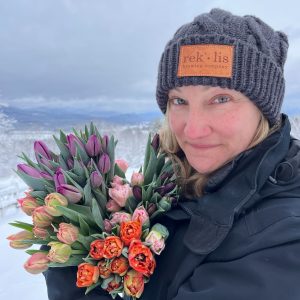
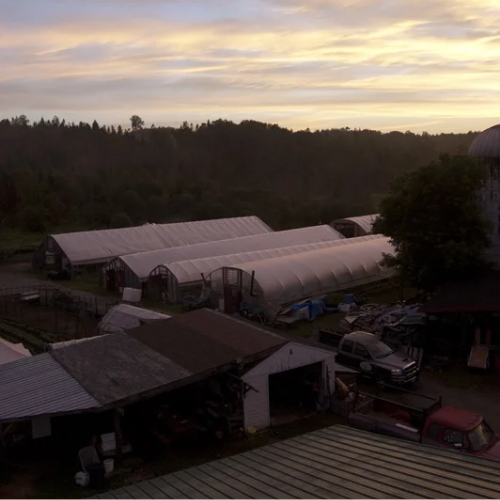
It’s pretty standard for all farmers to be outdoor enthusiasts; obviously, not all outdoor enthusiasts become farmers, though. But Sue Greene of Slopeside Farm in Lancaster, NH did! With a quick stop as a homesteader in between, Sue took her appreciation of New Hampshire’s beautiful landscapes and turned it into a career supporting those same landscapes by cultivating healthy soil and growing organic vegetables, herbs, and flowers. Slopeside Farm cares for each part of the growth lifecycle, from using compost and cover crops to add life to soil, to hosting honey bees and native pollinators in their biodiverse ecosystem, all the way through partnering with the North Country Gleaners to distribute unsold perishable goods. Sue is joined in her holistic stewardship by her partner Mike, cat Mel, and dog Cinder – the official farm greeter. 

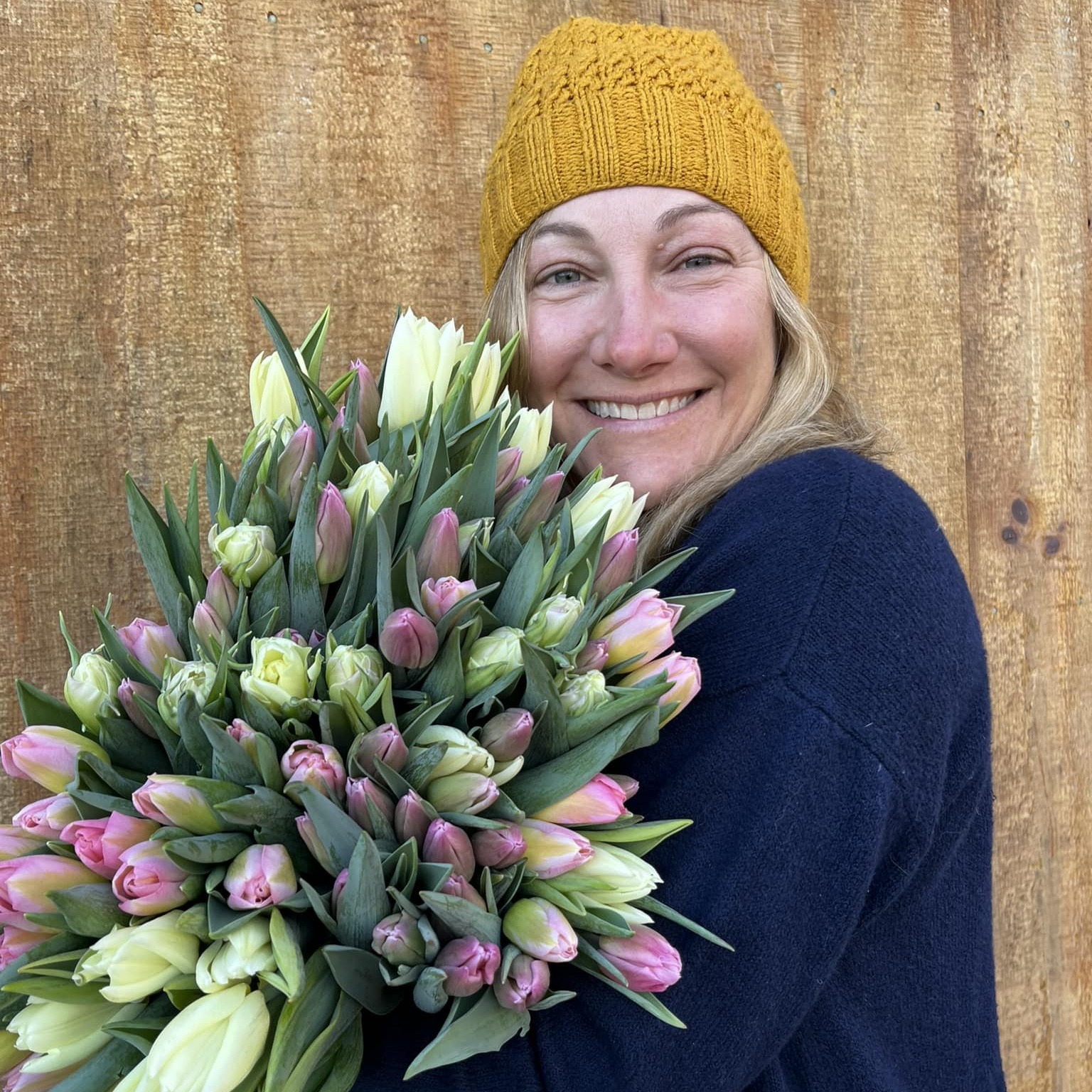
Sue and the Slopeside Farm team brighten our lives every week with deliveries of freshly-cut tulips during the winter and spring. She grows tulips in a number of colors and combinations you may have previously thought possible in your candy-colored dreams. Everyone deserves flowers; come grab some for yourself at the Co-op today! 


Status of product availability at the Littleton Co-op, and labeling of producers (such as local, Black-Owned Business, NH-made, etc) and product status or ingredients (gluten-free, vegan, etc) is based on available information at time of publication. The food world is an ever-changing landscape and information presented here may not reflect the most up-to-date information available.
Filed Under: Farms, Local, Woman-Owned Tagged With: local farms, Producer Spotlight, shop local, Women's History Month

Reflecting on Lost Nation Orchard

October 30, 2025 By Anastasia Maher

written by Kevin Winters, Littleton Co-op Manager on Duty

Food for Thought is a new online space by the Littleton Food Co-op for Co-op staff, members, and partners to publish musings & reflections on what they care about.

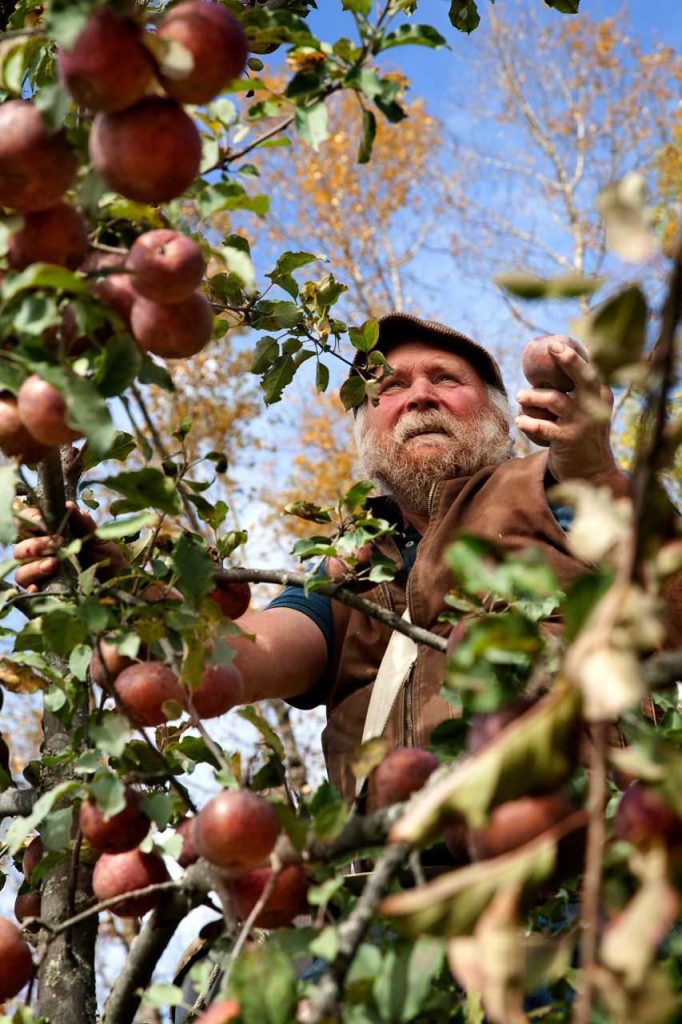
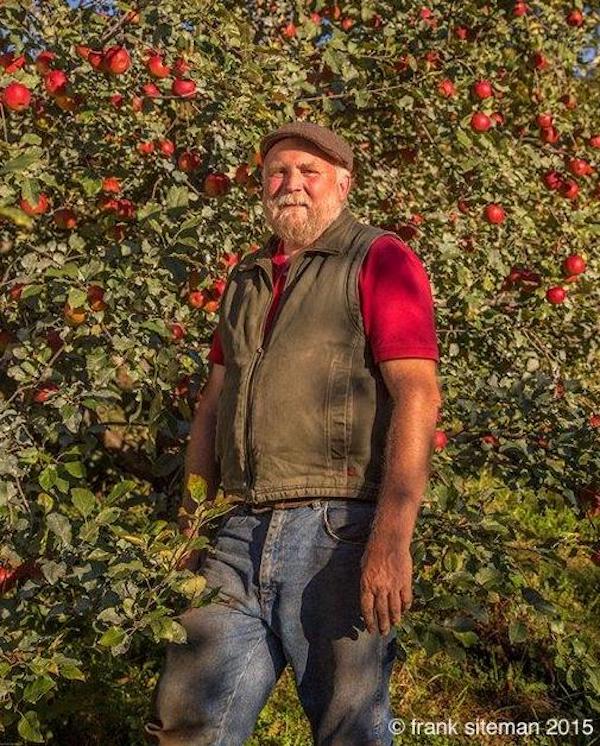
Did you know the world’s most influential organic apple orchard is right here in the North Country?  Lost Nation Orchard is about 25 miles north of the Co-op in the Lost Nation section of the town of Northumberland, NH.  Home to Nancy, Gracie, and the late Michael Phillips, this small, local, family run holistic orchard produces the most delicious apples you will ever taste.  To quote Dave Chapman, co-director of the Real Organic Project, and founder of the Vermont Organic Farmers organization, “Michael Phillips was the patron saint of organic orcharding.”  Michael started Lost Nation Orchard almost 40 years ago at a time when everyone said it was impossible to grow apples organically.  In fact, many people still say it is impossible to grow organic apples if you’re in New England.  Michael has clearly proven all the naysayers wrong.  Over the decades he became the most influential organic apple grower in the world.  He grew over 120 different varieties of apples, both ancient heirlooms, and brand new experimental varieties.  He wrote three seminal books on organic apple growing, which are widely considered to be classics, and a must read for any organic orchardist.  He traveled far and wide lecturing, consulting, and giving workshops on how to grow organic apples.  Also, Michael was the founder of the Holistic Orchard Network which has over 2,500 members from at least 7 countries.  Countless prospective and experienced apple growers made the pilgrimage to his orchard to attend his workshops and learn from the master. Just bite into one of his apples, and experience an intense wave of complex, juicy flavors, which will radically alter your perception of what an apple can be.

Michael was also a wonderful human being.  He was larger than life, and yet kind and gentle, with a down to earth, easy going personality, which made you feel right at home.  Despite almost always being the most knowledgeable person in the room Michael was the best listener I’ve ever met.  He would sit quietly listening, observing, and learning from those who had come to learn from him.  An inquisitive mind of the highest order.  I was blessed to know Michael for a dozen years or so, and have incredibly fond memories of visiting the orchard as many times as I could during apple season.  For a food lover like myself there was nothing better than spending time with Michael in his apple barn as he excitedly danced about endless baskets filled with a kaleidoscopic variety of apples saying, “You absolutely must try this one, it’s an experimental variety developed in Czechoslovakia in the 1990’s , it has explosive flavors of citrus and PINEAPPLE.  Yes, Pineapple!!  And then there is this one here, and oh don’t miss out on this one, and make sure you try this old timey New England variety that has notes of bourbon, vanilla, and burnt sugar.”  And on, and on it would go.  What a blessing it was experiencing a true master of his craft spreading the joy created by the fruits of his labor.

And Michael was a family man.  He met the love of his life, Nancy, when they both worked for a group foster home for abused and neglected children.  The goal of the program was to offer the children natural foods, lots of time in nature, and a stable environment.  They walked through this green world together for 37 remarkable years.  Their daughter Gracie was the apple of his eye, and whenever he mentioned her, which was often, a visible twinkle could be seen radiating from his eyes.  Like so many immensely talented people it seemed The Creator had important work for Michael in the Great Mystery that lies ahead of us all.  He was called to that work in late February of 2022.  Luckily for all of us, Gracie has decided to move back home and take over management of the orchard, thus continuing her father’s immensely important legacy.  Gracie and Nancy are working extremely hard to continue this truly unique North Country family farm, and for the first time ever, Lost Nation Apples are available at the Littleton Food Co-op during apple season!!   

And a word about spots.  You’ll notice some spots on these apples, which is totally normal as all apples grown organically in New England, or any other temperate climate, will have spots.  Most organic apples you see are grown in the dry, continental climate of eastern Washington state where it almost never rains.  These spots have no flavor and do not affect the quality of the fruit at all.  The only way to eliminate them in New England is to use chemical sprays.  As Joni Mitchell famously sang, “Hey farmer farmer, Put away that DDT now, Give me spots on my apples, But leave me the birds and the bees, Please!” 

We only become wise when we recognize that we need to emulate nature in our agricultural systems and in how we care for this planet.” – Michael Phillips

The views and opinions expressed in this article are the author’s own and do not necessarily reflect the view of Littleton Food Co-op.

Filed Under: Farms, Food, Food for Thought, Local Tagged With: local farms, NH Eats Local, shop local

Eat Local Month Producer Highlights 2025

August 27, 2025 By Anastasia Maher

To celebrate Eat Local Month in August 2025, we dismantled the idea that eating local is “too difficult” or “outside the normal way” by putting together suggested everyday occasions over 20 local items. We hope one of these gives you a starting point to try eating local all year long, or serves as inspiration to create your own everyday occasion to support local growers and producers.

Local Sweet Treat

Listen: We know you’re going to pick up a sweet treat from the Co-op anyways. Why not make it a LOCAL sweet treat? We have plenty of locally produced options to fill that sweet tooth fix throughout the store. Whether you’re looking for a perfectly creamy ice cream for after dinner, a lil’ chocolate to sneak between meetings, or the socially acceptable may to drink maple syrup in public (hint: it’s maple candy!), we have a local option. And remember, this is just a sneak peak into some of the local sweet treats we have! There’s plenty more waiting for you in store.

Local Date Night

Whether it’s a night in with friends or a special romantic evening at home, everything can be improved with a charcuterie board made with local ingredients. We just got restocked with Roberta’s Crooked Mile goat cheese, so make sure a sweet or savory pick of her selection is included! If you want a decadent dinner, consider a delightful dairy-free option from Shire’s Naturals (NH’s first plant-based cheese company) or a spiced up entree with the help of Wozz! Kitchen Creations. And forget ending the night with chocolate! Local food lovers know that organic strawberries are the way to anyone’s heart. Hermit Woods wine will wash it all down. Of course, these are only some of the great local date night options we have at the Littleton Co-op. 

Local Breakfast in Bed

Local breakfast in bed: the dream! You can certainly take any of these local ingredients to a normal, everyday breakfast routine, but since we’re dreaming here, we’re going all out and living in lavish local luxury — without even leaving the bed. That means fluffy pancakes from Polly’s Pancake Parlor mix smothered in Mount Cabot Maple single-source Grade A syrup. Mount Cabot Maple cream (aka maple GOLD) if it’s an extra special occasion. Don’t worry, we’re not going to get sick on sweets; it’s all going to be balanced out with a couple of crispy, thick-cut strips of North Country Smokehouse bacon. Drooling yet? And of course, it’s all getting washed down with locally-roasted coffee. This morning, we’re reaching for Jenna’s Promise Roasting Co.’s Local Blend. And now you’ve just eaten breakfast and given back at the same time! Proceeds from this VT coffee company go directly to supporting the work of Jenna’s Promise, which focuses on building healthy and safe communities by reducing the burden of substance use disorder in the region. Not to mention it’s a great cup of ‘joe Not a coffee fan? Pour yourself a tall glass of Hatchland Farm milk and support one of the few remaining independent dairy farms in the area. And you know it’s good, because the Hatch family lives by the motto: “If we wouldn’t eat it ourselves, we won’t sell it to you.”

Local Packed Lunch

 Since we make such a big deal out of celebrating locally produced food, you might think it’s for special occasions only. This guide especially is meant to demonstrate how you can incorporate local food into your everyday routines — like for lunchtime! A lunchbox packed with Vermont Smoke & Cure meat sticks, Port City Pretzels, Cabot Creamery cracker cuts, and a hearty sandwich on Klinger’s sourdough is definitely better than cafeteria food and your soggy leftovers in the office fridge (no shade). And we love having a local company like Bee’s Wrap focused on sustainable plastic-free packaging to perfectly compliment any local goodie.

Local Weekend Kickback

BBQs are a common weekend celebration, and we suggest firing up some Robie Farm local beef burgers and serving with a side of grilled veggies, like peppers and eggplant from 4 Corners Farm. If family and friends can’t make it for a gathering, at least take a moment to do a cheers to a great summer — a can of Wildbloom and new Woodstock lemonade for the non-drinkers would be our suggestions. If all else fails, chillin’ on the couch with some Wrap City chips (2 bags per person should be enough?) is a completely valid option. What’s everyone’s summer weekend plans shaping up to be? Consider closing out the week with one of these great local products!


Status of product availability at the Littleton Co-op, and labeling of producers (such as local, Black-Owned Business, NH-made, etc) and product status or ingredients (gluten-free, vegan, etc) is based on available information at time of publication. The food world is an ever-changing landscape and information presented here may not reflect the most up-to-date information available.
Filed Under: Farms, Food, Local, Summer, The Weekly Radish Newsletter Tagged With: eat local month, local farms, NH Eats Local, Producer Spotlight, shop local

Producer Spotlight: Strafford Organic Creamery

January 27, 2025 By Anastasia Maher

Producer: Strafford Organic Creamery

Founder/Owner: Earl Ransom and Amy Huyffer

Location: Strafford, VT

Found at the Littleton Co-op: Ice cream, milk, eggnog (seasonal)

Website: Facebook Page

Our modern day food systems were built on the backs of People of Color (POC), particularly the Black community, without making room to acknowledge their important contributions. During the month of February, celebrated as Black History Month, we take intentional moments to celebrate Black entrepreneurs, inventors, and businesses that have shaped the way we eat, drink, and live. Supporting a vibrant and diverse producer network is a yearlong goal of the Littleton Co-op, and we are proud to highlight BIPOC (Black, Indigenous, and People of Color) voices. Read more about Littleton Co-op’s Diversity, Equity, and Inclusion (DEI) work here.

Strafford Organic Creamery– steered by Earl Ransom, Amy Huyffer, and family– at Rockbottom Farm, is a living legacy in Vermont. As the one remaining dairy farm left in Strafford, VT, down from over two dozen in the town’s previous life, there’s a lot of pressure on them. Add the fact that Earl is one of three Black dairy farmers in Vermont*, and the spotlight shines brighter. But in Earl’s experience, “Being Black in Vermont has always been interesting, because it’s existing in a place people don’t expect you to be, no matter your profession.”

No matter the pressures that may or may not be on them, Strafford Organic Creamery is not one to succumb to doing anything any way other than what’s best for their Guernsey cows, their land, or their planet. They’ve been bottling their milk in glass since 2001 and haven’t looked back. Yes, plastic would be cheaper, and doesn’t require constant bottle return solicitations, but it’s nowhere near as sustainable. This goes hand in hand with their decision to remain a standalone farm, which means they do their own bottling on site. This means the Ransom family are the ones directly overseeing the process and setting their own standards. Their cows –with names like Pomegranate, Naan, and Larkspur– roam on organic, diversified pasture for 22 hours a day. Amy sums it up best: “I’ve thought about quitting every day, but I’ve never thought about compromising our values.”

Learn more about Strafford Organic Creamery on That’s Rad Episode 45: Strafford Organic Creamery where Amy Huyffer talks with the Co-op about life on the farm, Vermont’s dwindling dairy industry, and their mouth-watering ice cream. 


*according to 2017 US Department of Agriculture census data 


Status of product availability at the Littleton Co-op, and labeling of producers (such as local, Black-Owned Business, NH-made, etc) and product status or ingredients (gluten-free, vegan, etc) is based on available information at time of publication. The food world is an ever-changing landscape and information presented here may not reflect the most up-to-date information available.
Filed Under: DEI, Farms, The Weekly Radish Newsletter Tagged With: BIPOC, black history month, local dairy, local farms, Producer Spotlight, shop local

Fire Cider Recipe from Heartsong Farm Wellness

January 13, 2025 By Anastasia Maher

We were fortunate enough to host Grace Phillips of Heartsong Farm Wellness Center at the Littleton Co-op in January 2024 to lead a class on fire cider. Participants learned about typical fire cider ingredients and the benefits of this beloved tonic. While herbalist Rosemary Gladstar has the best known recipe for fire cider, it has truly evolved to be more of a concept than an exact recipe after years of adaptation in the herbalism and wellness communities. That being said, you can truly make this your own, so don’t fret about exact measurements or the need to substitute or omit an ingredient. After all, you’re the one who is going to be consuming it, so make it to your enjoyment.

Whatever ingredients you want to include in your fire cider, make sure to grab them here at the Littleton Co-op! We have the North Country’s best selection of local organic produce (often on sale!) to make your fire cider shine. Below is the recipe Grace shared during the Co-op’s fire cider making class:

 

Ingredients

 ½ gallon raw apple cider vinegar
 2 Onions (yellow preferred), chopped
 1 Lemon, zested and juiced
 2-3 Cayenne Peppers, chopped
 1 Fresh Ginger Root, grated
 1 Fresh Horseradish Root, grated
 2 bulbs Garlic, crushed or chopped
 Small jar of raw Honey

Equipment

 ½ gallon glass mason jar
 1 correct size lid (ideally the plastic ‘no spill’, but regular metal lid is fine)
 Cheese grater
 Paring Knife
 2 Cutting Boards
 4 small bowls
 Small and large spoons
 Parchment or wax paper
 Cheesecloth or strainer
 Paring Knife
 2 Cutting Boards
 4 small bowls
 Small and large spoons

Place your desired amounts (or all of each) of the onion, lemon zest, lemon juice, cayenne peppers, ginger, and horseradish into the canning jar. Cover with apple cider vinegar by two to four inches. If using a metal canning jar lid, place a piece of parchment or wax paper under the lid to prevent the vinegar from touching the metal. Shake well. Store in a dark, cool place for one month and shake daily during that time.

After one month, use a cheesecloth or strainer to separate the solid ingredients and any pulp from the liquid, pouring the vinegar liquid into a clean jar. Add honey to taste and balance out the fiery ingredients. 1/4 cup honey is a good place to start. Stir honey into vinegar until incorporated. Taste and continue adding honey until reaching desired sweetness level. The mixture should taste spicy, hot, and sweet (if desired).

Fire cider can keep for several months unrefrigerated and in a cool pantry, but it is best kept in the fridge. Use as a daily wellness tonic, or as a sauce for salads, vegetables, and grains. And if you don’t want to discard your strained out ingredients, check out this waste-reducing recipe for Fire Cider Chutney from our friends at Shelburne Farms. Enjoy!

Filed Under: Farms, Food, Green Team, Local, Recipes Tagged With: DIY, local farms, NH Eats Local, recipes, shop local, wellness

  • 1
  • 2
  • Next Page »


Upcoming Events


Meet and Greet the Artist: Carolyn Guest

Meet and Greet the Artist: Carolyn Guest

June 20, 2026, 1:00 pm - 3:00 pm
Come meet the May/June featured Co-op Gallery Artist Carolyn Guest in an intimate reception on Saturday, June 20th from 1-3PM
Senior Member Discount Day

Senior Member Discount Day

July 5, 2026, 7:00 am - 8:00 pm
Senior Member Discount Day is on the 5th!
Member Appreciation Day

Member Appreciation Day

July 15, 2026, 7:00 am - 9:00 pm
Shop and save! Littleton Co-op member-owners save 10% all day on all eligible purchases. Not a member? Sign up today …

View more events here!


Social Icons

Get Our Weekly Newsletter

Every Thursday we release The Weekly Radish, our Co-op newsletter. This contains our latest specials, coupons, member updates, fun articles, recipes, community news, and more. Get it right in your inbox each week! We promise to never share your info, and we will never spam you.

* indicates required
43 Bethlehem Road· On the corner of Cottage St and Rte 302· Exit 41 off I-93· 603-444-2800
Littleton Consumer Cooperative Society, Inc. ®2019 · Designed by Notchnet