Nothing says “I love you” better than a homemade meal, and brunch on Mother’s Day is a classic!









a community-owned market
Nothing says “I love you” better than a homemade meal, and brunch on Mother’s Day is a classic!
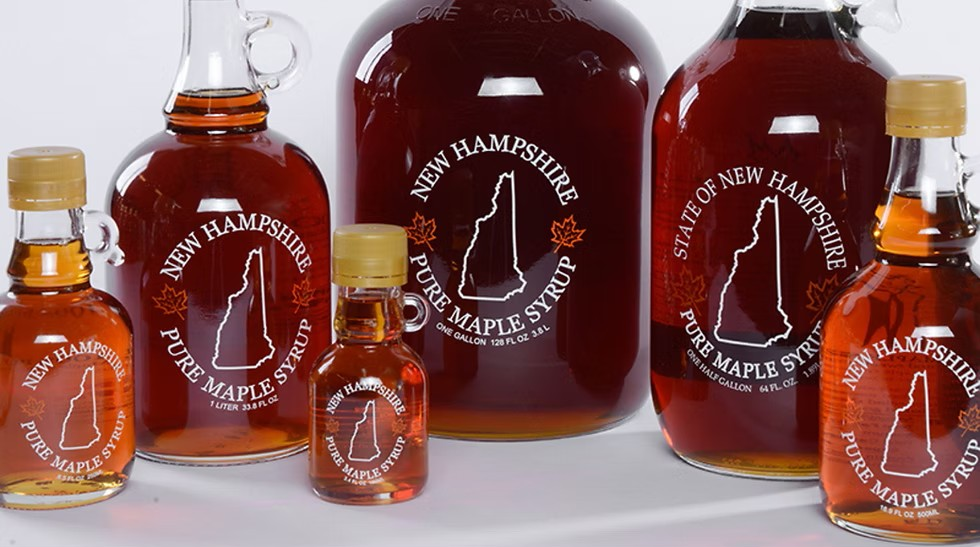
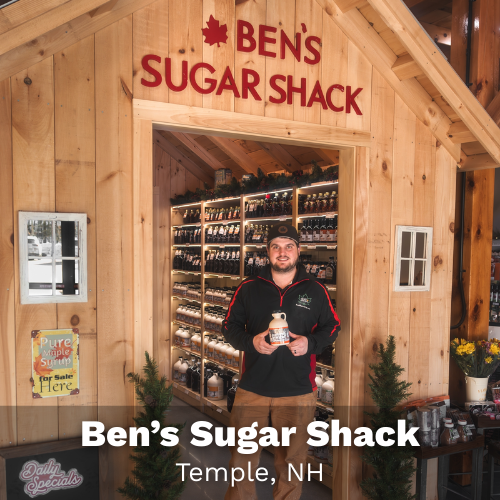
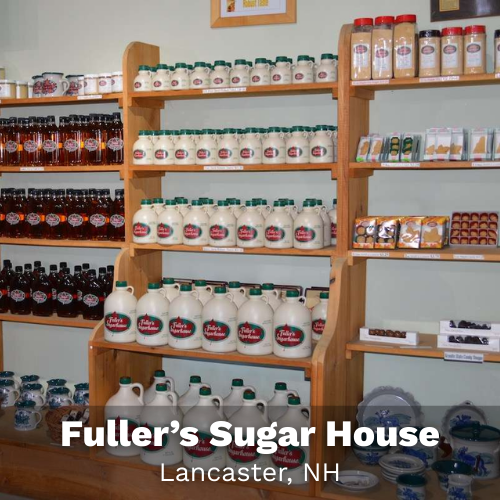
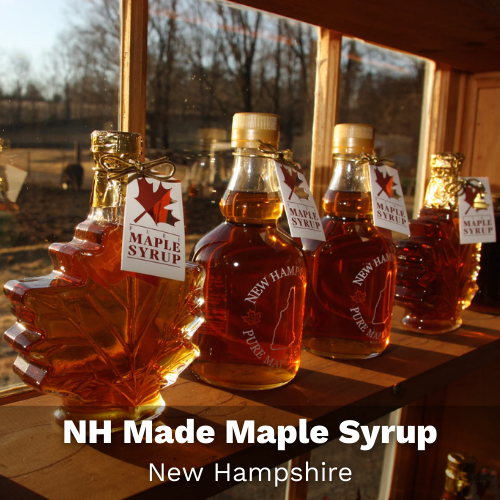
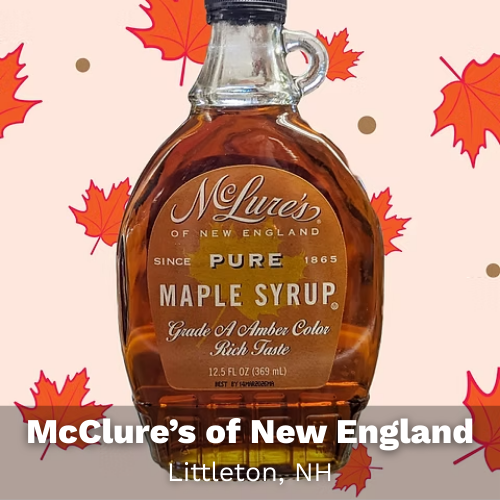
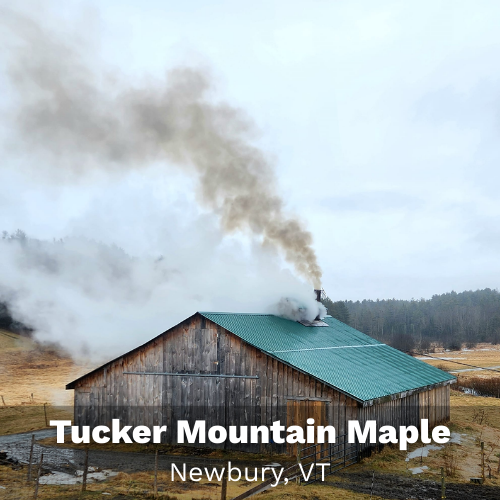
While we love NH and New England’s luscious maple syrup year round at the Littleton Food Co-op, March is celebrated statewide as NH Maple Month. So, we take this as an opportunity to dive a bit deeper into everyone’s favorite pancake topping.
While us as people might not relish the fluctuating day-to-night temperatures this time of brings to NH, it’s the ideal circumstances for maple syrup production. In order for sap, a golden liquid that is used to create maple syrup, to flow from sugar maple trees, the days need to be warm and the nights need to be cool. These ideal sugaring conditions last around six weeks, but climate change has affected the timeframe and conditions needed for successfully sugaring.
To celebrate the important contributions maple syrup and its stewards have on the regional economy, agriculture, and history, NH Maple Month is a time of local and statewide celebrations around the golden liquid. The New Hampshire Maple Producers Association has united maple producers across the state to “celebrate the craft of turning sap into something extraordinary” since 1943. They also have a member directory of maple sugar producers across NH who offer programming during March and during Maple Weekend, including The Rocks right down the road from the Co-op in Bethlehem.

While our product line-up is always changing, we always love to support our local maple producers! We often have:
Status of product availability at the Littleton Co-op, and labeling of producers (such as local, Black-Owned Business, NH-made, etc) and product status or ingredients (gluten-free, vegan, etc) is based on available information at time of publication. The food world is an ever-changing landscape and information presented here may not reflect the most up-to-date information available.

Our modern day food systems were built on the backs of People of Color (POC), particularly the Black community, without making room to acknowledge their important contributions. During the month of February, celebrated as Black History Month, we take intentional moments to celebrate Black entrepreneurs, inventors, and businesses that have shaped the way we eat, drink, and live. Supporting a vibrant and diverse producer network is a yearlong goal of the Littleton Co-op, and we are proud to highlight BIPOC (Black, Indigenous, and People of Color) voices. Read more about Littleton Co-op’s Diversity, Equity, and Inclusion (DEI) work here.
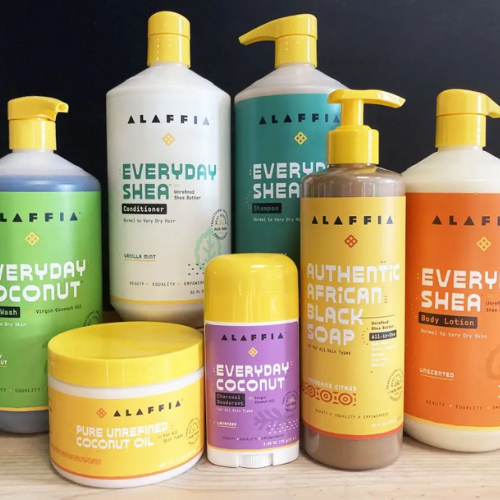
You know the story: boy meets girl; boy and girl feel called to do right by the world; boy and girl establish social enterprise cooperative. Okay, maybe that’s not *the* story, but it is the story of Alaffia. Co-founder Olowo-n’djo Tchala witnessed first hand unfair labor and profit distribution as a child watching his mother recieve mere pennies from harvesting valuable nuts from shea trees in Tongo, West Africa. Much later, he collided with Prairie Rose Hyde — then a Peace Corps volunteer, later his wife. Together, they formed a cooperative for West African women, similar to Tchala’s mother, to empower themselves, preserve Indigenous culture, and produce high quality skin and hair care products for people around the world. Alaffia is also a certified Fair Trade business.Today, Alaffia works with partner organization to contribute to maternal care, school construction, reforestation, and potable water projects in West Africa.
A purchase of Alaffia products benefit not only your body and/or hair, but also contributes to a more just world economic system. Send this to whoever dares to tell you next “it’s just a lotion, what’s the big deal?”


Status of product availability at the Littleton Co-op, and labeling of producers (such as local, Black-Owned Business, NH-made, etc) and product status or ingredients (gluten-free, vegan, etc) is based on available information at time of publication. The food world is an ever-changing landscape and information presented here may not reflect the most up-to-date information available.
Our modern day food systems were built on the backs of People of Color (POC), particularly the Black community, without making room to acknowledge their important contributions. During the month of February, celebrated as Black History Month, we take intentional moments to celebrate Black entrepreneurs, inventors, and businesses that have shaped the way we eat, drink, and live. Supporting a vibrant and diverse producer network is a yearlong goal of the Littleton Co-op, and we are proud to highlight BIPOC (Black, Indigenous, and People of Color) voices. Read more about Littleton Co-op’s Diversity, Equity, and Inclusion (DEI) work here.
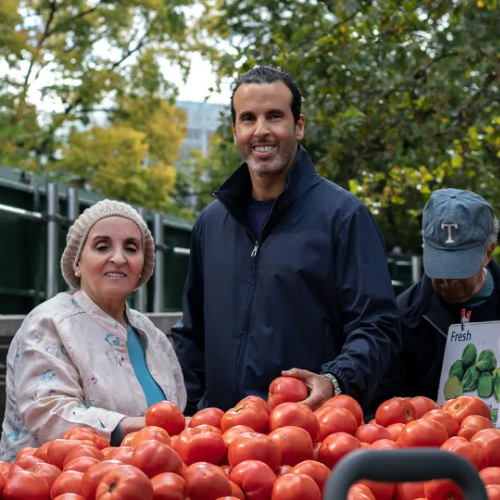
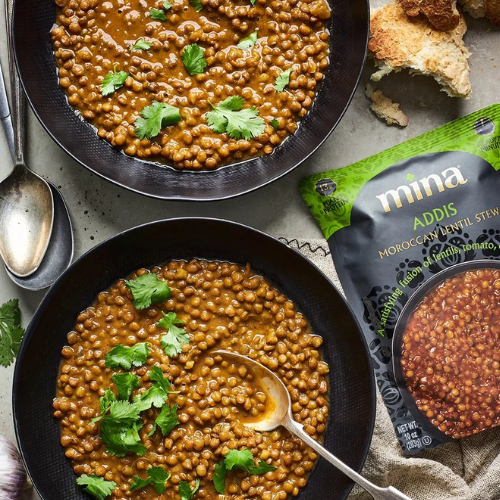
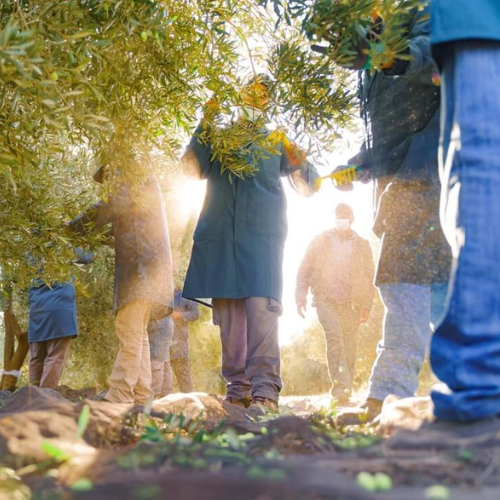
Mina Kallamni grew up in Casablanca, Morocco, where she first tasted, and then created her own, harissa. After a lifetime of loving food, her son Fouad Kallamni found it only right to name their new line of Moroccan food products after his mother. Today, Mina is the celebration of Moroccan heritage and family recipes in the form of a line of Moroccan pantry staples like shakshuka and preserved lemons. And while introducing heritage staples to a wider audience is naturally what comes from creating a brand as accessible as Mina, it’s not the ultimate goal to make something that pleases everyone. “We’re a family business, so everything we do is a direct reflection of our family’s culture, traditions and style. Of course we pay attention to the marketplace and what consumers are interested in. But ultimately, our decisions about what to make, and how the brand shows up in the market, come down to what feels most authentic to our family,” says Fouad. To that end, Fouad and mother Mina still test all new product developments before they reach mass production. All their products are made in Morocco and many ingredients are sourced from local family farms.
Mina continues to balance recipe innovation with staying true to their roots. Consider expanding your palate with new-to-you cuisine flavors by picking up an authentically-Moroccan Mina product today!
Status of product availability at the Littleton Co-op, and labeling of producers (such as local, Black-Owned Business, NH-made, etc) and product status or ingredients (gluten-free, vegan, etc) is based on available information at time of publication. The food world is an ever-changing landscape and information presented here may not reflect the most up-to-date information available.

Our modern day food systems were built on the backs of People of Color (POC), particularly the Black community, without making room to acknowledge their important contributions. During the month of February, celebrated as Black History Month, we take intentional moments to celebrate Black entrepreneurs, inventors, and businesses that have shaped the way we eat, drink, and live. Supporting a vibrant and diverse producer network is a yearlong goal of the Littleton Co-op, and we are proud to highlight BIPOC (Black, Indigenous, and People of Color) voices. Read more about Littleton Co-op’s Diversity, Equity, and Inclusion (DEI) work here.
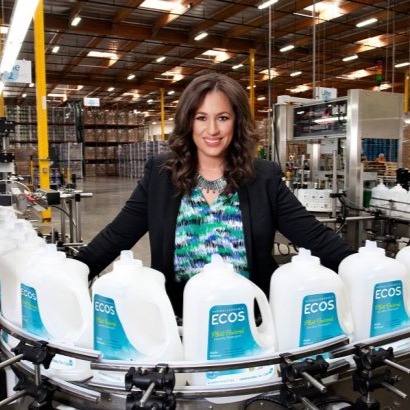
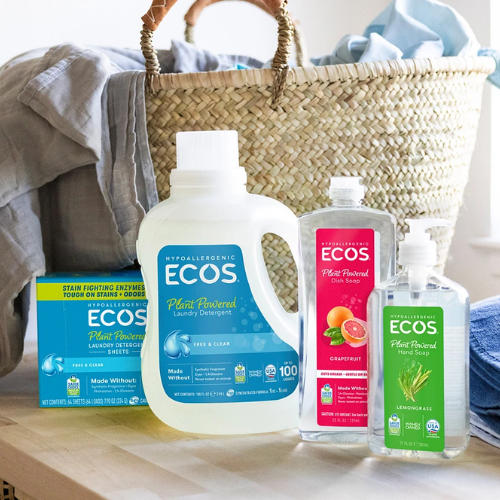
ECOS, a premier creator of plant-based cleaning products and the #1 selling green laundry detergent in the U.S., was founded by Van Vlahakis, a Greek immigrant who recognized the negative health effects of harsh chemical ingredients in cleaning products during his career as a chemist. When Kelly Vlahakis-Hanks took over as President and CEO of ECOS, she wanted to increase the depth and breadth of how the company cares about the health and wellness of people and planet. Kelly is of Greek and African American descent, and has prioritized increased access to opportunities for under-represented identities within ECOS. ECOS is currently made up of 64% of employees identifying as BIPOC (Black, Indigenous, and People of Color), and an Executive Team that is 40% BIPOC and 60% female. She also prioritizes environmental health; under her leadership, ECOS became a Climate Positivity company — the world’s first to have carbon neutral, water neutral, and TRUE Platinum Zero Waste facilities. Furthermore, ECOS has one of the highest minimum wages in the industry at $17/hour.
ECOS continues to be a company that not only makes great products, but takes great care of people and the planet, under Vlahakis-Hanks’ leadership. She is also making strides so ECOS’s vision and values are passed along to future generations, establishing the Vlahakis Organic Chemistry Lab at Roosevelt University in Chicago (her father’s alma mater) for students to research chemistry based on renewable resources.

Status of product availability at the Littleton Co-op, and labeling of producers (such as local, Black-Owned Business, NH-made, etc) and product status or ingredients (gluten-free, vegan, etc) is based on available information at time of publication. The food world is an ever-changing landscape and information presented here may not reflect the most up-to-date information available.
We love when family and visitors come to the North Country of New Hampshire! Sometimes, our area gets a bad rap when folks assume our distance from major metropolitan areas means there’s nothing to do. Not only is there plenty to do in the Littleton area, there are certified (by us) cool things to do. These are hidden gems that will help show your visitors the vibrancy that lays in our small town. These are great stops if you want to impress any tween/teen/young adults, but all can be family-friendly. And hey — what’s cooler than a grocery store owned by thousands of community members? Make sure to stop by the Littleton Co-op before you go exploring for some adventure fuel and some well wishes.
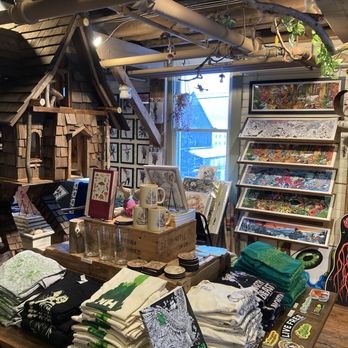
Baba Yaga is a unique retailer in downtown Littleton that’s perfect for those with eclectic style. They are officially dedicated to “the woods and the weird,” but everyone can appreciate their artfully designed store and POV in capturing the North Country’s beauty. Full of things you won’t find anywhere else!

Ice cream so nice it’s worth mentioning twice! While this booming Bethlehem shop also graces our “Cultural Classics” list, Super Secret Ice Cream also makes this list for it’s superior dessert quality and fun interior space. Owner Kristina Zontini is a twice James Beard Award nominee who’s dedicated to hand-packed ice cream with local ingredients and “no weird stuff.” The shop also provides a great place to recoup after the holidays in a warm, comforting environment decorate with bold colors and any ice cream-related decor you could imagine.
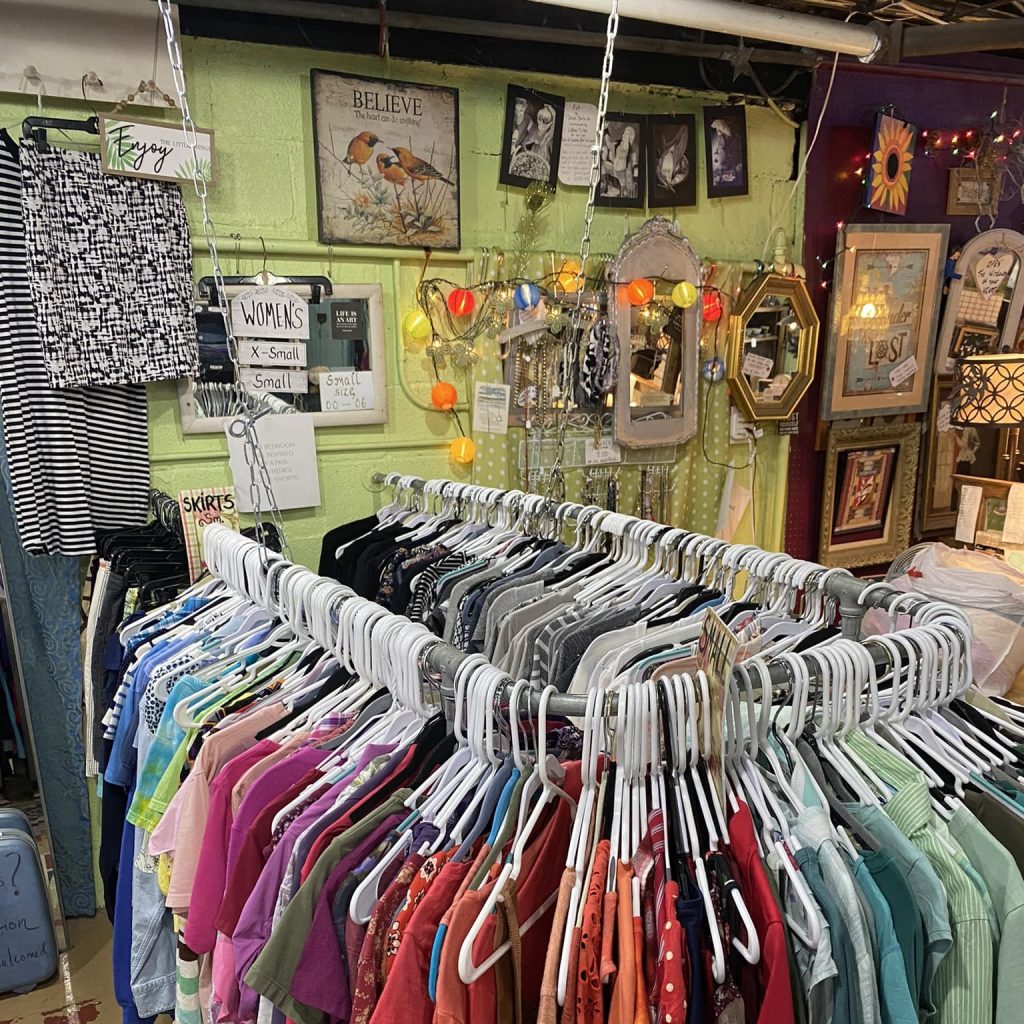
The holiday season is not typically the time of year we have extra cash to throw around on new clothes and wares. Lucky for Littleton, tucked behind classic Main Street is Little City Thrift Store. Don’t let the small square footage fool you; this shop is chock full of treasures and fun finds. It’s a great place to pop by for a minute or dedicate a couple of hours to for the thrill of the hunt.

The name doesn’t lie: this non-profit performing arts venue tucked behind Littleton’s Main Street is a converted loading dock. Except now, instead of receiving goods, visitors to the Loading Dock get to experience up-and-coming talent from near and far in an intimate yet professional venue. Tickets are always reasonably priced and guarantee a great night out.
Yes, we sell more than food! But also yes, food makes a great holiday gift! Gifting from the Co-op might require going outside of your comfort zone (and your regular grocery list), so we put together some easily giftable ideas that are bound to fit someone on your list. The best part may be that they’re all available at the Littleton Co-op 🎄 One stop local shop!







1. Wozz! Kitchen Creations spread 2. Fuller’s Sugarhouse maple cream 3. Vermont Bakery Douglas Sweets cookies 4. Terra Farm curry cashews 5. Woodstock Inn Brewery root beer
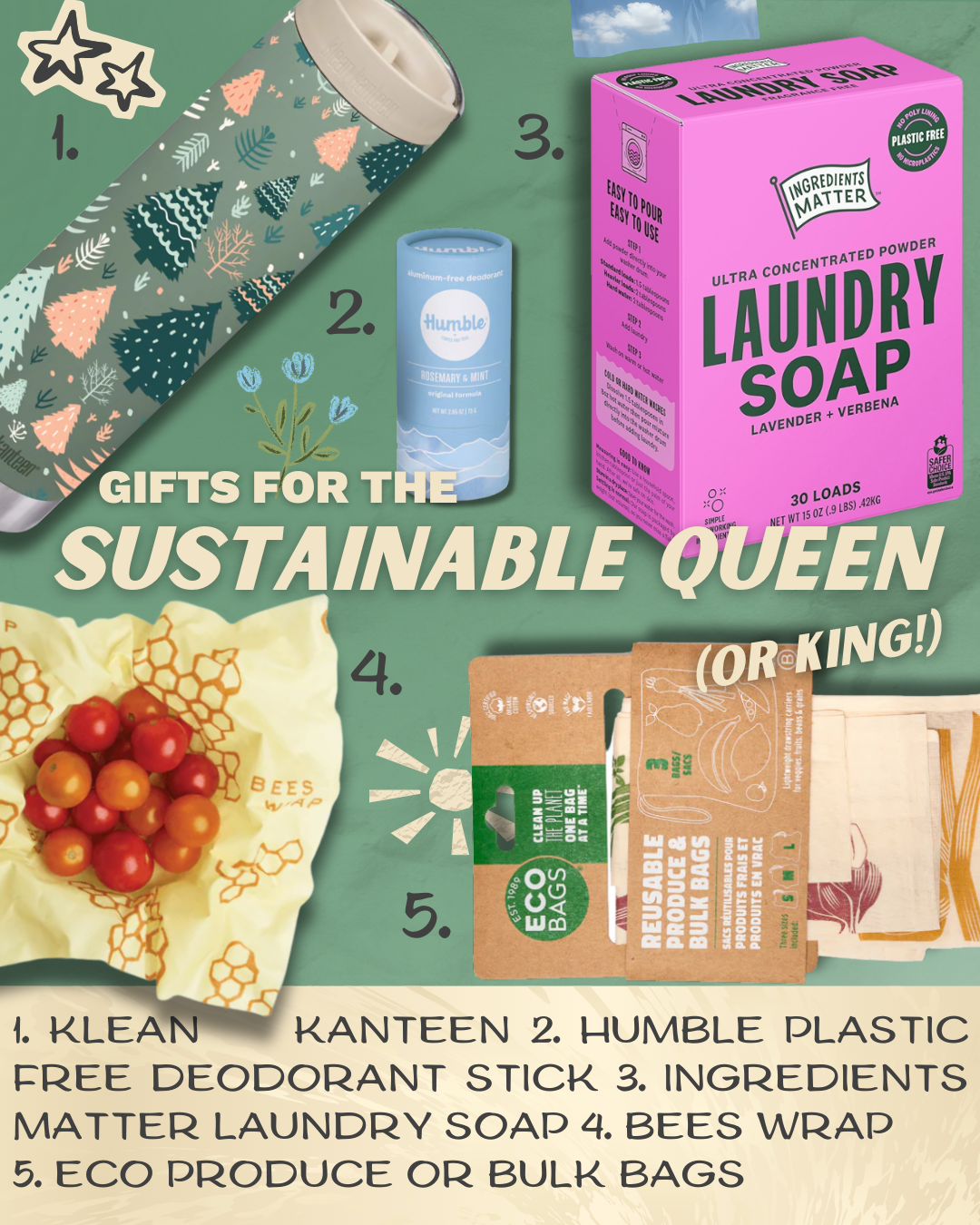
1. Klean Kanteen water bottle 2. Humble Plastic Free deodorant stick 3. Ingredients Matter laundry soap 4. Bees Wrap food wraps 5. Eco Bags reusable produce or bulk bags
1. Mike’s Hot Honey squeeze bottle 2. Fishwide tinned fish 3. Terra pom pom keychain 4. Leonessa Dubai chocolate cones 5. Jade Leaf Ceremonial grade matcha
1. Jenna’s Promise Roasting Co. coffee 2. Effie’s Biscuits 3. Nut Pods creamer 4. Chocolate covered espresso coffee beans 5. Brach’s peppermint stir sticks
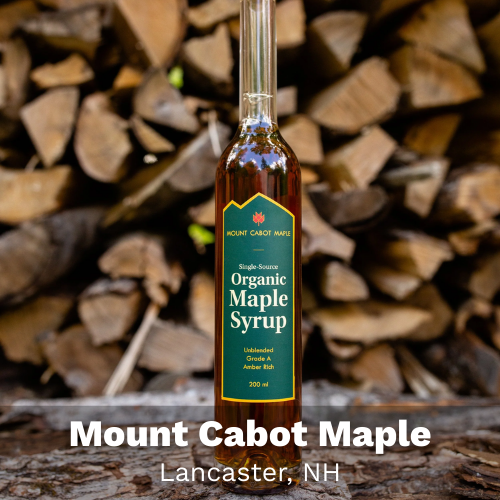
1. White Mountain Images calendar 2. White Mountain Apiary holiday honey 3. Mount Cabot Maple Organic maple syrup 4. Polly’s Pancake Parlor pancake mix 5. Port City Pretzels savory pretzels
1. Mr. Bing chili crisp 2. Ocean’s Halo Ramen Broth 3. Immi Veggie Topping Mix 4. Ocean’s Balance Organic whole leaf dulse 5. Momofuku noodles
1. Angry Goat Pepper Co. hot sauce 2. Gopal’s energy bars 3. Chunks of Energy Bulk snacks 4. Hurry Slow Hat Co. beanie 5. Vermont Smoke & Cure meat sticks
1. Back Home Bakery granola 2. King Arthur Baking Co. mix kit 3. Lake Champlain Chocolates nonpareils 4. Sugar Bob’s Finest Kind maple sriracha 5. NEK Grains wheat berries

Call or email for information about the safe storage, handling, and preparation of meat, poultry, and egg products.
Call number for turkey support from one of the most well-known turkey brands. Available 24/7 for the month of November.
Call, text, or online live chat with an expert from Butterball turkey brand. Hours vary from Nov. 3rd through Dec. 24th.
Online library of chicken food safety, prepping, cooking, and finishing articles and videos.
Call, email, or chat online with professional bakers about any baking challenge. Available year-round Monday through Friday 10AM – 6PM ET. Recorded food safety messages available 24 hours a day.
Online catalog of hundreds of questions and answers from Betty Crocker. You can enter a question in the chat box to find a similar question that has been asked over the years, browse questions and answers by subject, or just browse them all!
A web page that includes a unit converter, “yeast 101,” tips and tricks, and a list of common baking problems and solutions — for conventional ovens and bread machines!
Collection of videos that demonstrate baking techniques you may not be familiar with, including tempering eggs, assembling a piping bag, and making a lattice pie crust.
A web page with a list of ingredients and their substitutions, a kitchen glossary, measurements and abbreviations, and more.

Tis the season for our wine connoisseurs. It is the season for BEAUJOLAIS.
Les Beaujolais Nouveaux has an interesting story. Dating back to the 1800’s, it was the wine to celebrate the end of the harvest in France.
In the early 1900’s, the French authorities decided not to release the wine before December 15th; but that later changed to November 15th in the 1950’s. By 1985, thel ‘Institut National de l’Origine et de la Qualité (INAO)– the French organization that regulates French agricultural products with protected designations of origins– declared the release date as the third Thursday in November, to consumers globally.
Beaujolais was first exported to New York City, in 1972.
In the Beaujolais region in eastern France, the wine is made from 100% Gamay grapes. Gamay is a red grape, famous for its light and fruity body.
Domaine des Nugues Beaujolais is a 4th generation small family-owned winery managed by the husband and wife team of Gilles and Magali Gelin. They produce less than ten thousand cases per year of all their wines.
We, at the Coop are happy to carry Les Beaujolais Nouveau Wine during this Holiday Season. The 2025 Beaujolais Villages Nouveau will be at the Co-op on Friday, November 21st, and on sale through November 26th. Cheers!!
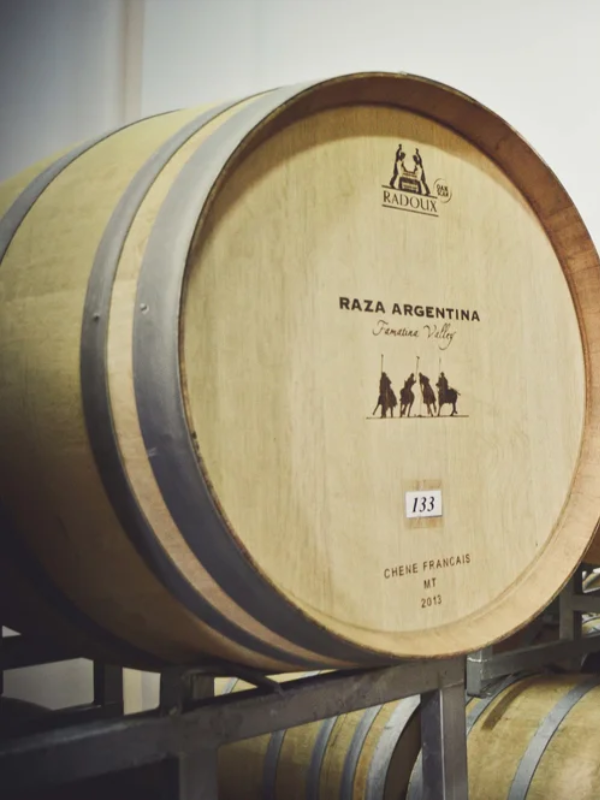
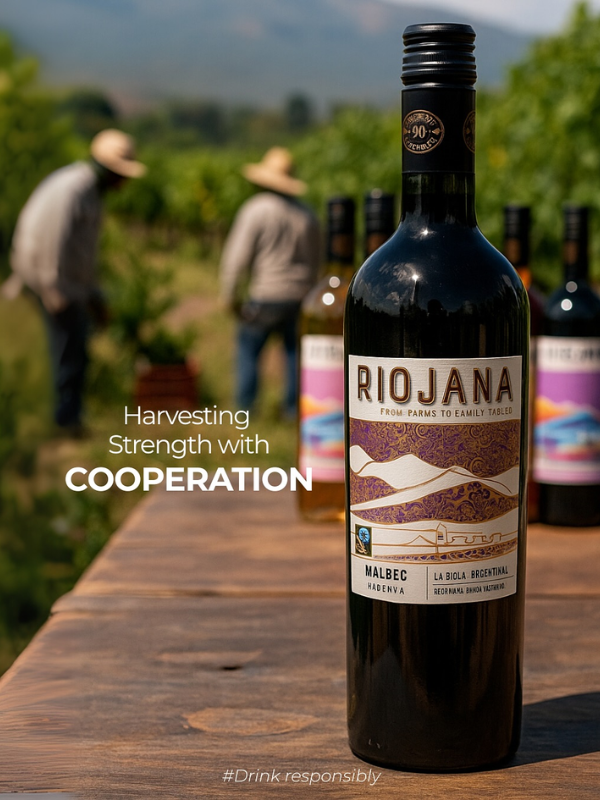
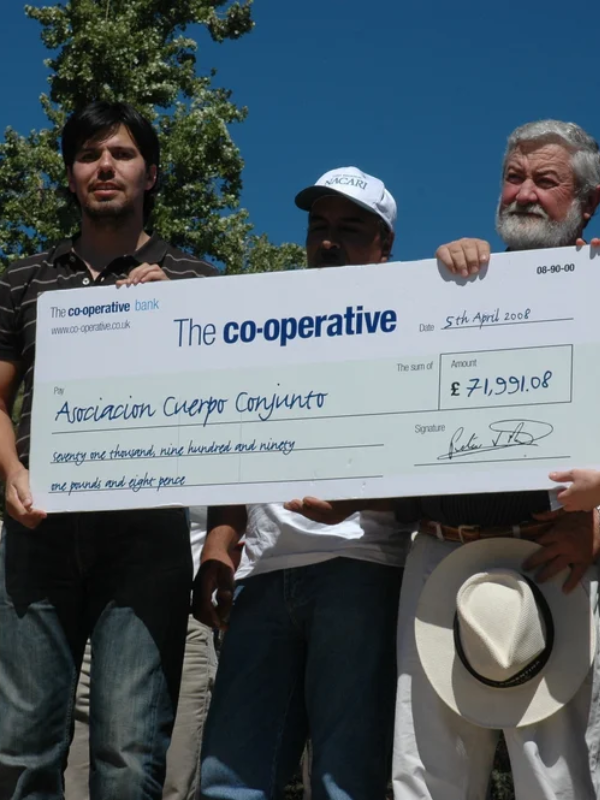
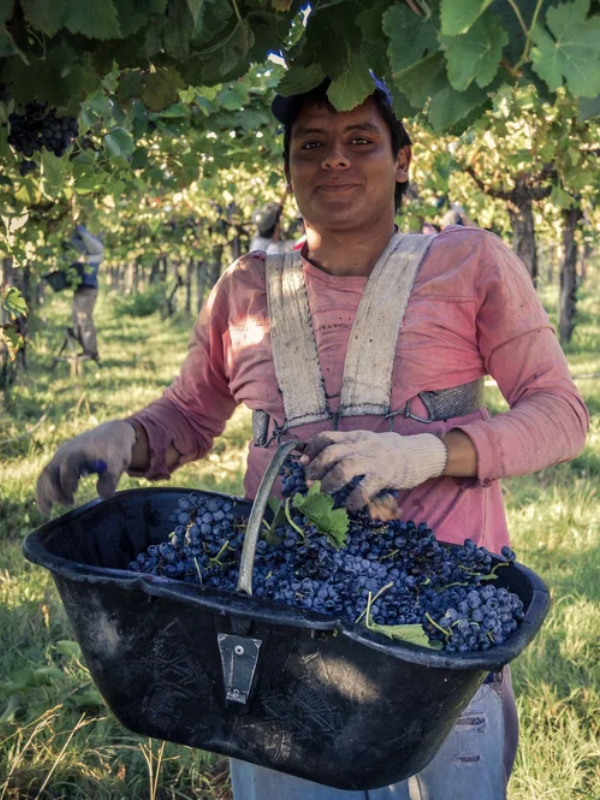
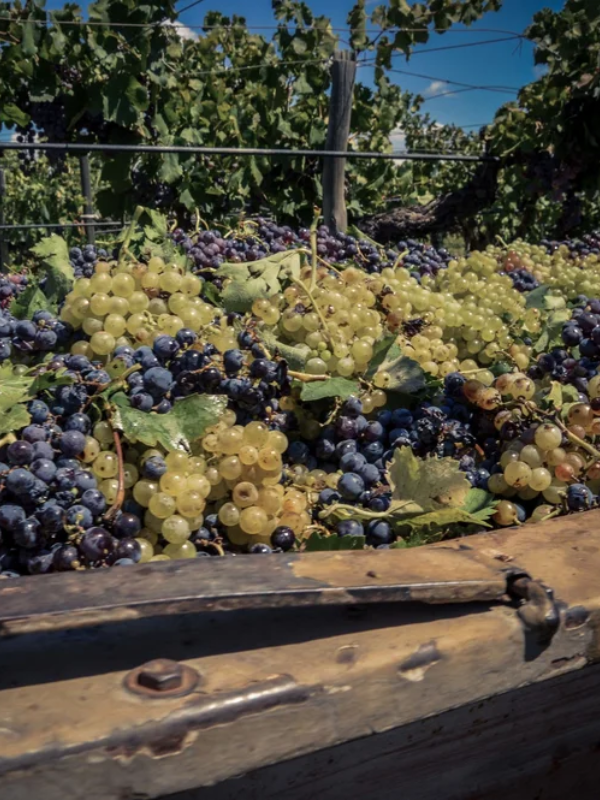
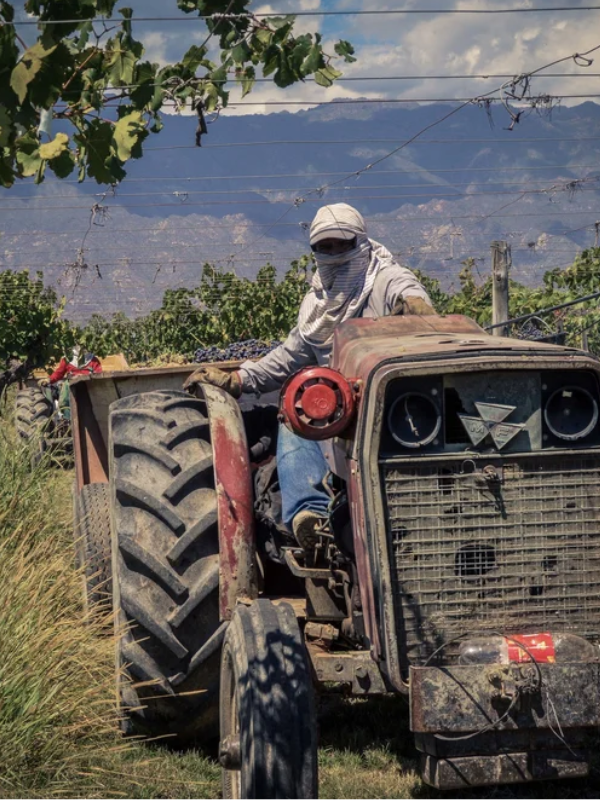
Have you ever heard of La Riojana? La Riojana is Argentina’s largest wine cooperative, with a family of 500 dedicated growers. It’s also the third largest wine exporter (by volume) in Argentina. La Riojana has an annual production of close to 450 million litres a year.
The history of La Riojana goes back to the 1940s. Ancestors from Italy were wine growers. When they first came to La Rioja in North Argentina, they decided to come together to make wine.
Starting out as a small bodega (store), they bought grapes to turn to wine. Over time, the families finally started planting their own grapes. From then on La Riojana grew and grew.
La Riojana is a co-op that not only produces wine, but also produces organic and Fairtrade-certified olive oil. The olives are hand picked and cold-pressed to preserve their natural flavors and nutrients. It’s a high quality product!
I think the best part of La Riojana is that they give back to their community. They help provide clean running water, construction of schools, and health centres to improve quality of life for the surrounding areas.
Littleton Co-op is very happy to have La Riojana onboard and support this wonderful coop in Argentina!
“At La Riojana Cooperative, every wine tells a story of community, sustainability, and fair work.
From our high-altitude vineyards, we craft Fairtrade wines that share with the world the authentic taste of La Rioja, and the dedication of the people who make it possible.” (La Riojana)
The views and opinions expressed in this article are the author’s own and do not necessarily reflect the view of Littleton Food Co-op.