Littleton Food Co-op

a community-owned market

  • Home
  • About
    • Departments
    • Recall Info
  • Community
    • Co-op Food Fund
    • The Weekly Radish – News & Specials!
    • Listen to Our Podcast
    • Workshops & Events
    • Diversity, Equity, & Inclusion
    • Sustainability
    • Local Art
    • Partner of the Month Program
    • Littleton Food Co-op Community Fund
    • Healthy Food Access
    • SNAP & Market Match
  • Membership
    • Become a Member!
    • Reports & Governing Documents
    • Patronage Rebates
  • Store
    • Wholesale & Special Orders
    • The Weekly Radish – Fresh Specials For Everyone!
    • Daily Menu
    • Workshops & Events
    • Littleton Co-op Loves Local!
    • Local Art
    • Buy A Gift Card Online
    • Online Ordering & Curbside Pickup
    • Party Platters from the Co-op
    • Bulk Item Lookup
  • Careers
  • Board of Directors
    • Meet the Board of Directors!
    • Co-op Board Elections
    • Join The Board
    • Reports & Governing Documents
  • Contact & FAQ
    • Become a Vendor
    • Frequently Asked Questions

Exclusive Coffee: Only Available to Co-op Shoppers! From Equal Exchange

April 16, 2026 By Littleton Food Co-op

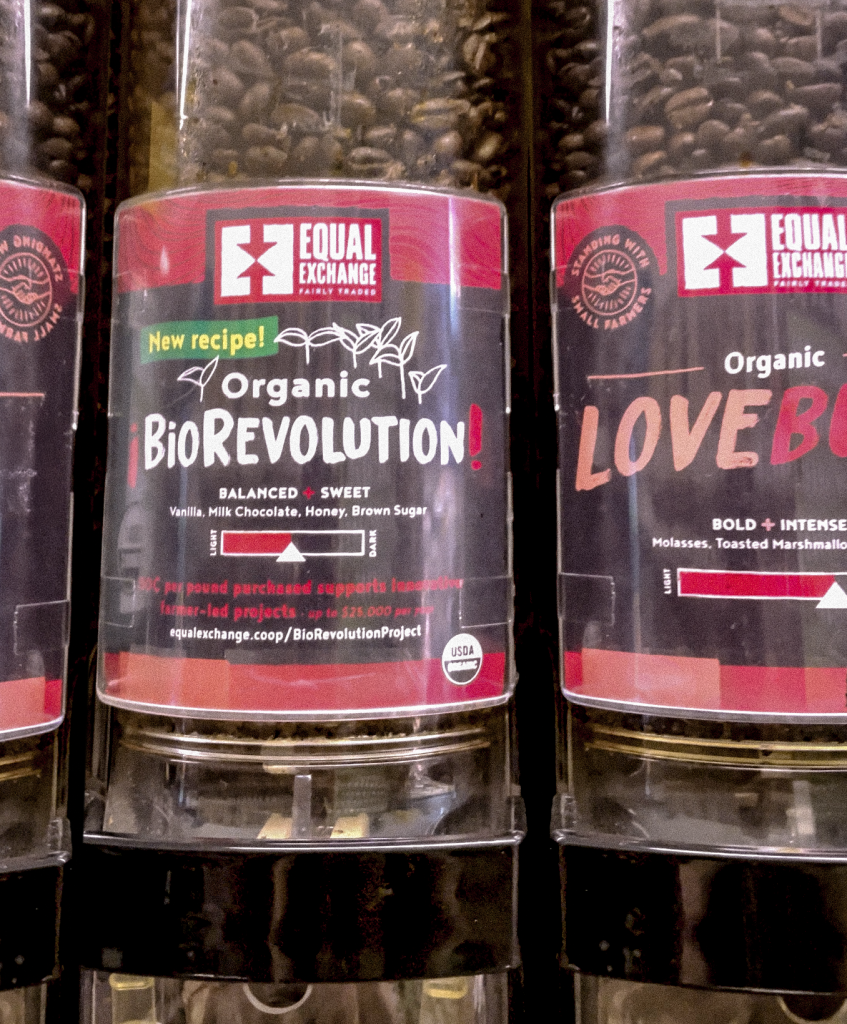
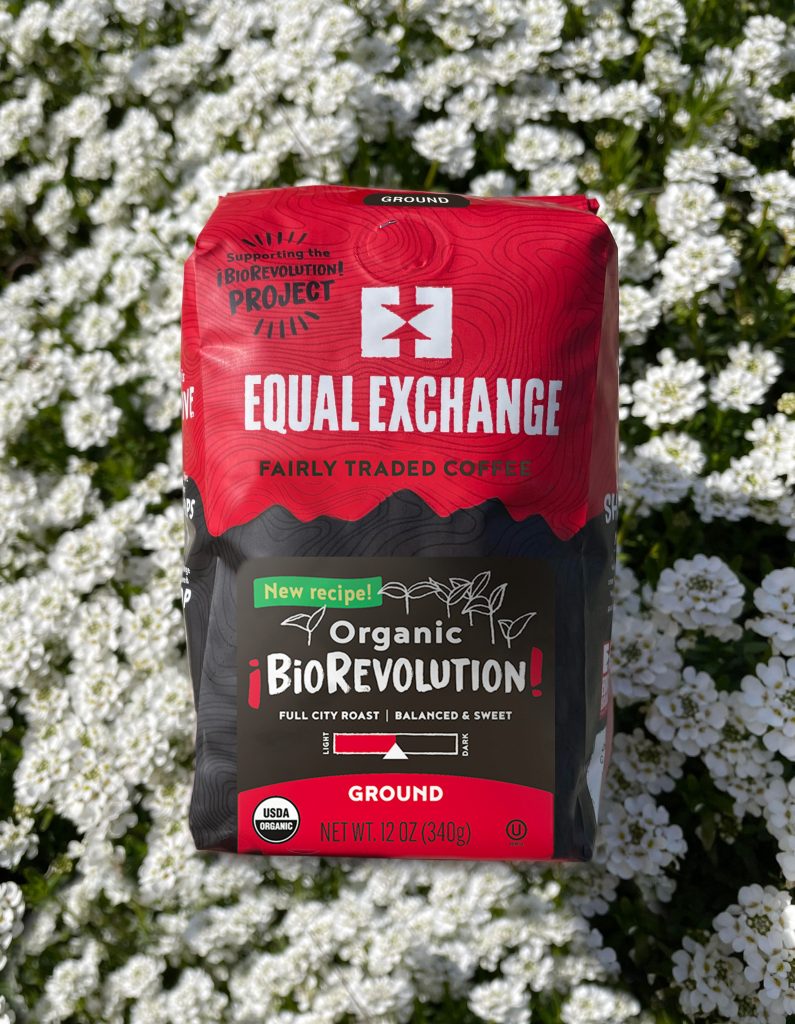
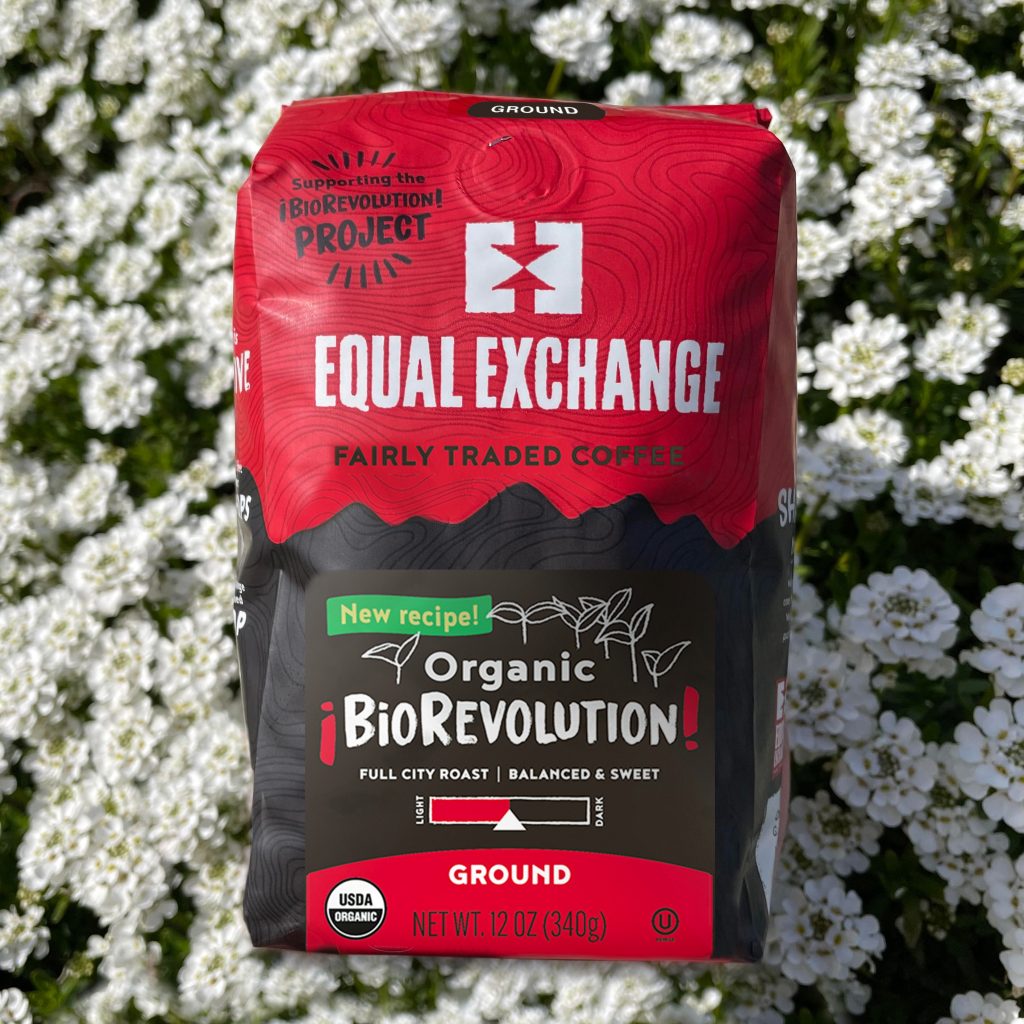
The Littleton Food Co-op has partnered with Equal Exchange, a fair trade coffee (and more!) company, to sell the special coffee Organic BioRevolution that’s only sold in food co-ops. What’s so special about it? 

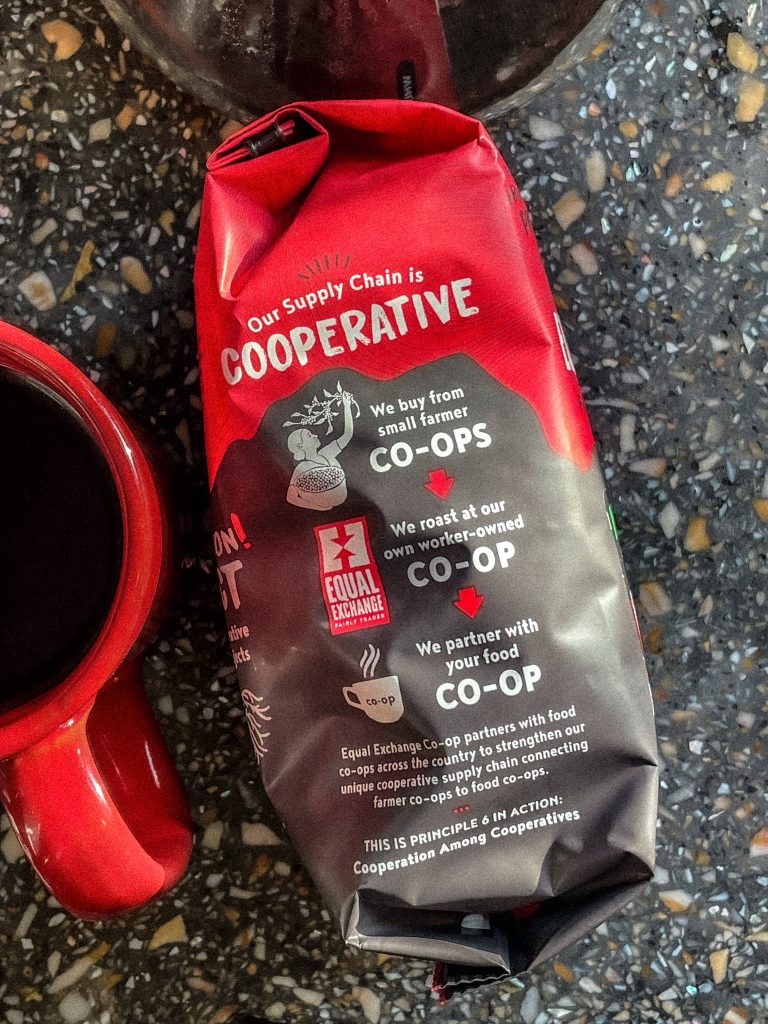
1) its “beautiful co-op supply chain” 

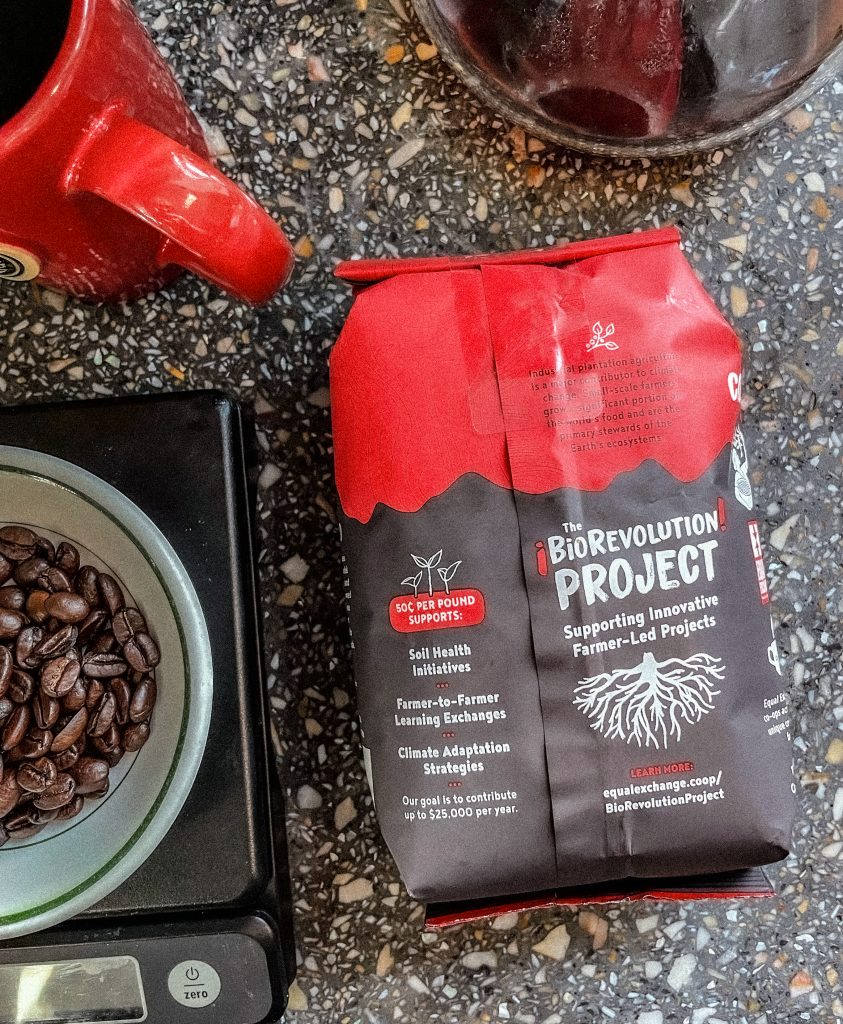
2) the extra impact oomph; 50 cents for every pound purchased funds innovative environmental resilience projects

Cooperative Power

Co-ops are powerful organizational structures. By nature, co-ops form when people get together to meet a need they share that’s not being met. Members define the need and organize their own solutions, often using a combination of their own skills, labor, time, and capital. In the case of Organic BioRevolution, the supply chain from farm to shopping basket is completely cooperative. Small-scale farmers collectively work together as a co-op to cultivate and process coffee to export. Equal Exchange—a worker cooperative—sources, imports, and roasts the coffee. Trading as one co-op to another, Equal Exchange threads values into business, creating atypical terms that favor small farmers instead of marginalizing them. They pay a higher price to farmers to support organic cultivation, quality premiums, and added social premiums that benefit the farmer co-op and the surrounding community, with projects typically chosen by the farmer members.
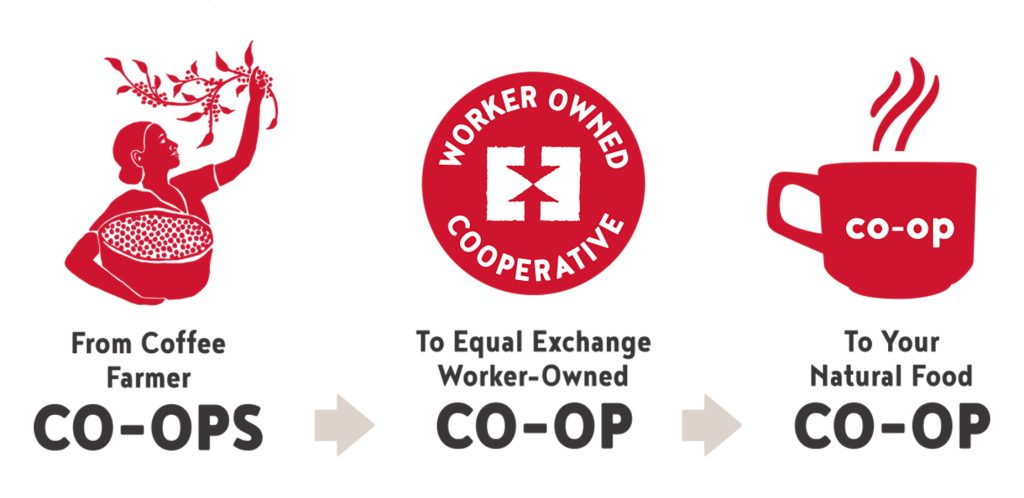
As the middle co-op in this supply chain, Equal Exchange in turn sells roasted, organic coffee to our food co-op, working to build relationships with our store and community, just as they do with the farmer co-ops. Our trade relationship with them underscores personal connections, transparency, information-sharing, and a commitment to taking actions that build an alternative, better food system. 

Through these relationships and products, our supply chain is a beautiful and uncommon one, which is co-op to co-op to co-op. It’s a connection that is not just a simple straight line, but more like a network, with Equal Exchange connecting us not just to one farmer co-op but rather with dozens of farmer co-ops. Because each of those co-ops is owned by dozens or hundreds of individual members, our store’s membership is connected to hundreds of farmer co-op members. 

But there’s more! Because Organic BioRevolution is a coffee that is only sold to food co-ops in the US, this connection extends to dozens of food co-ops in various states and communities in the US, and by extension, on to their hundreds or thousands of members and shoppers.

A seemingly simple bag of coffee in truth connects thousands of cooperative members and allies. A purchase of this product could be considered both a spiritual vote for a cooperative movement and also a concrete economic action, directing dollars in support of the organizations who are committed to living out the cooperative ideals in practice.

Environmental Innovation
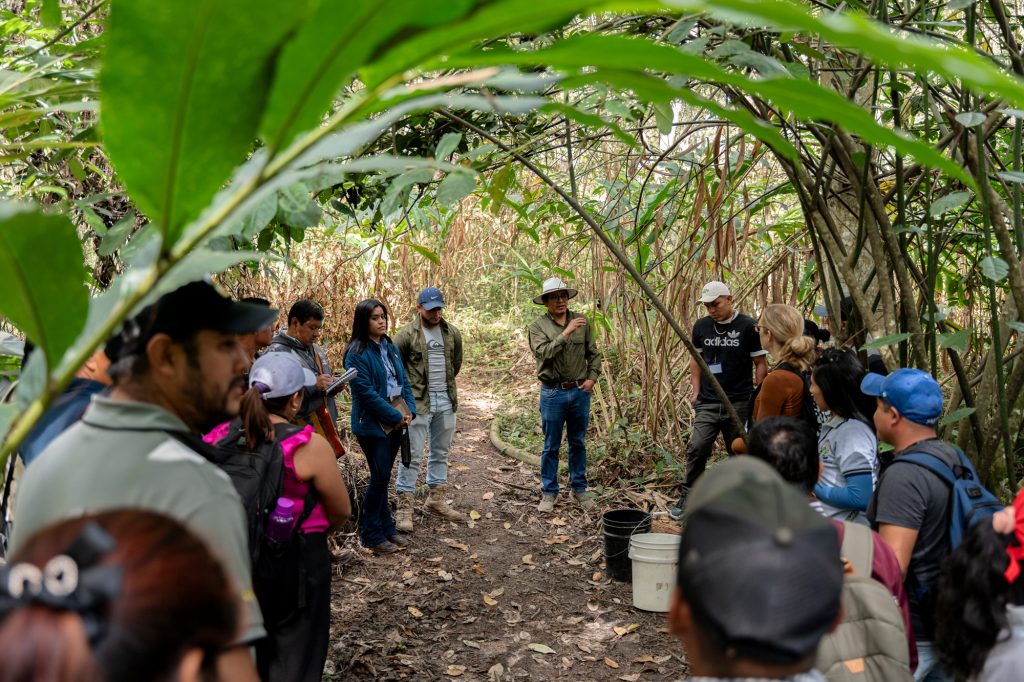
The coffee farmer co-ops in this supply chain *also* buck conventional norms in terms of farming ethos. In sharp contrast to conventional farming, with a typically extractive mentality, Equal Exchange’s farmer co-op partners are committed to organic, restorative practices. These farmers reject chemical inputs and instead work with natural resources to preserve ecosystems, enhance productivity and quality, and build healthy, resilient farms. There’s a real energy and creativity that permeates this work, of regular problem-solving and invention.

In 4 decades of partnership with small-scale farmers, Equal Exchange saw the increasing need to support farmers in addressing environmental challenges. Climate change has hoisted upon producers the need to adapt almost constantly. Organic BioRevolution is responding to that need in a unique way. For every pound of Organic BioRevolution coffee sold, Equal Exchange contributes 50 cents to a fund dedicated to environmental innovation projects led by farmer co-ops. Because of the support of co-op shoppers in the US, this fund has channeled over $100,000 to support coffee farmers, specifically in their innovative efforts at environmental resilience. 

In line with the fundamental cooperative spirit of members identifying needs and solving problems themselves, these BioRevolution funds have fueled farmer-led exchanges, bringing farmers across borders together to share ideas, best practices, and inspiration. One influential project includes building living fertilizers. Instead of using a fertilizer that is simply a final end nutrient that a soil needs, these “biofertilizers” are alive, thoughtfully constructed from collecting “good” bacteria and fungi from nearby forests, to reseed farm soils with local compatible inputs. These living fertilizers increase coffee plant productivity and quality, and can strengthen the plant’s immune system to better ward off disease and pests. 

One of the newer ideas that farmers are experimenting with using the BioRevolution funds for is beekeeping. Farmers are incorporating a native stingless bee, the Melipona, into their organic farming strategies. The results are positively compounding: the populations of this native species are rebounding; their natural activities increase the pollination and therefore productivity of the coffee plants; their impact, of course, extends beyond just coffee: these pollinators help all manner of plants and crops thrive, which helps both the humans and the other fauna in these communities. The Meliponas also create a super high-quality honey, which farmers can use in their own traditional medicine practices as well as sell locally, adding an additional income stream. The farmers’ commitment to organic practices, in turn, is a meaningful benefit to these bee populations. Chemical fertilizers and pesticides are a threat to bees and other pollinators; sustainable, organic, innovative farming models allow for a more reciprocal relationship with pollinators (as well as so many other species!). Plant productivity and pollinator populations are not pitted against each other, but rather can benefit each other.

For more information on living soil, coffee, and beekeeping, and impact stories in the farmers’ own words, visit this Organic BioRevolution webpage. Purchase Organic BioRevolution to fuel the co-op to co-op to co-op connection, and to keep the impact and innovation flowing.
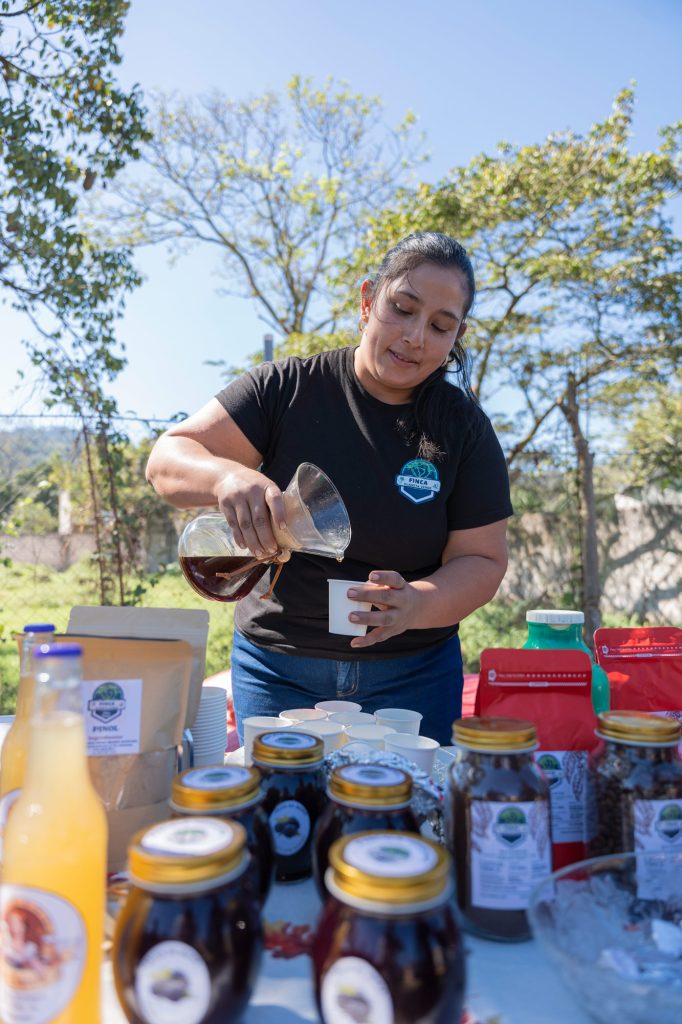
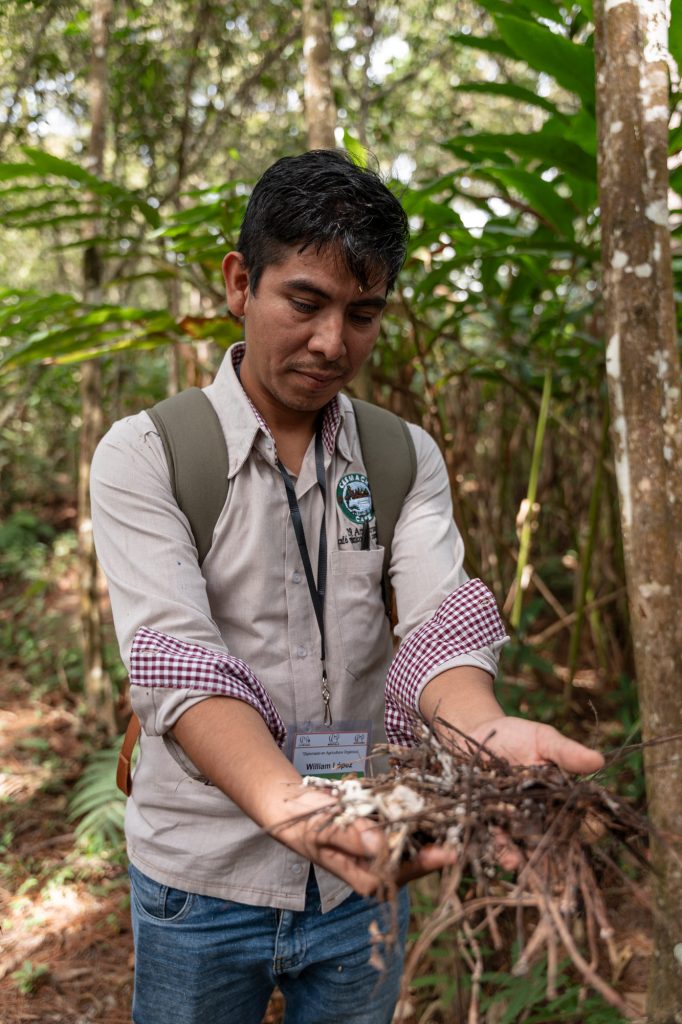
Images courtesy of Equal Exchange
Filed Under: Fair Trade, Sustainability, The Weekly Radish Newsletter Tagged With: Cooperative Education, Cooperatives, Equal Exchange, Fair Trade

Reflections from the Global Launch of the Initiative for Cooperatives and Civic Innovation

April 12, 2026 By Learner Limbach

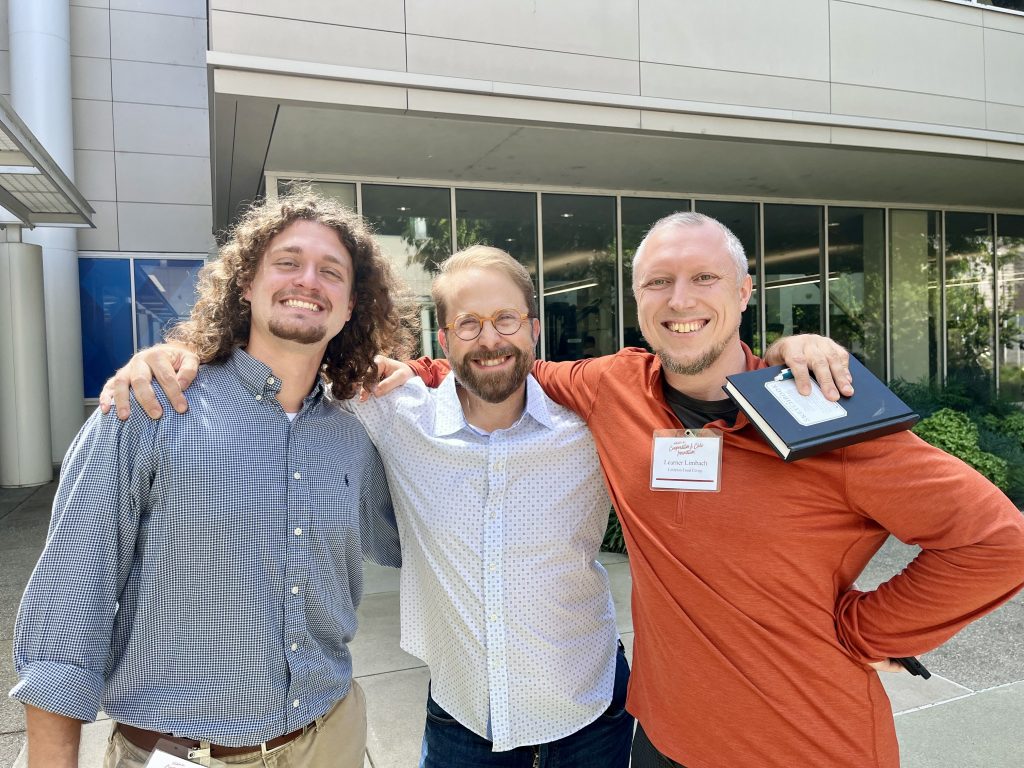
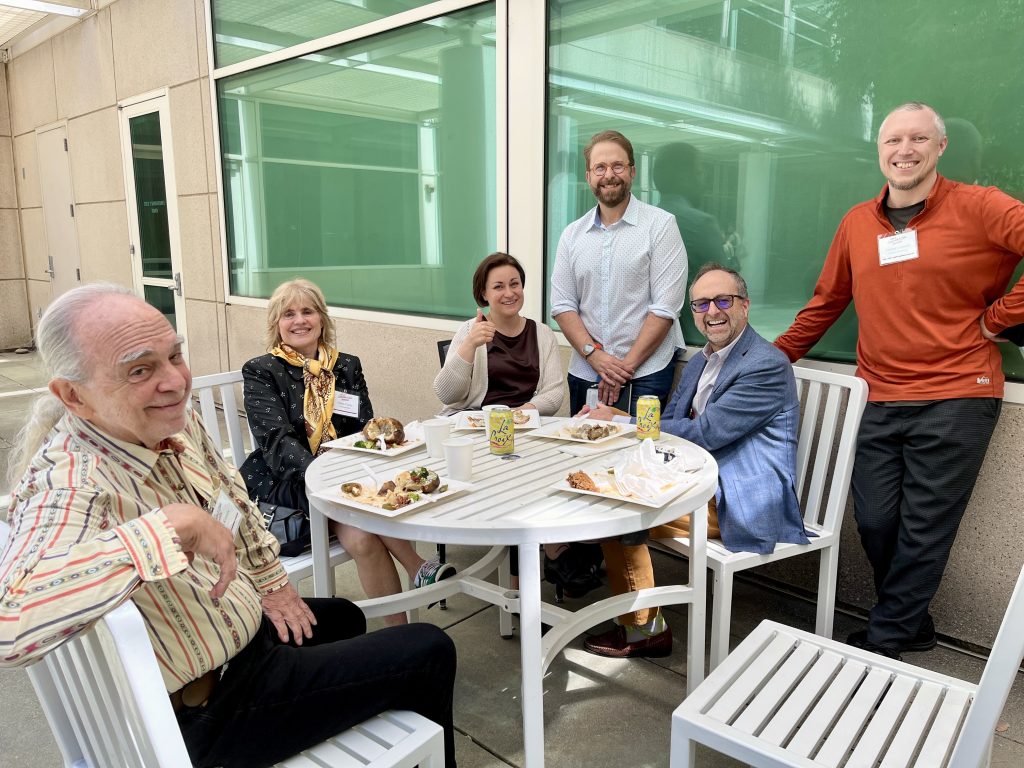
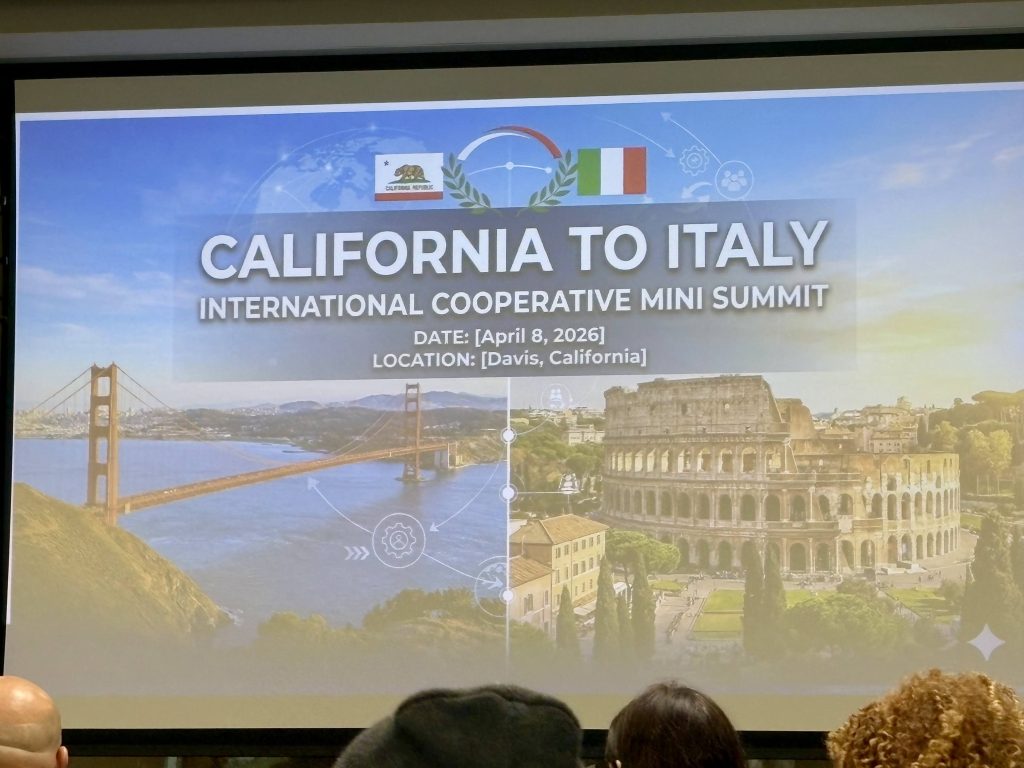
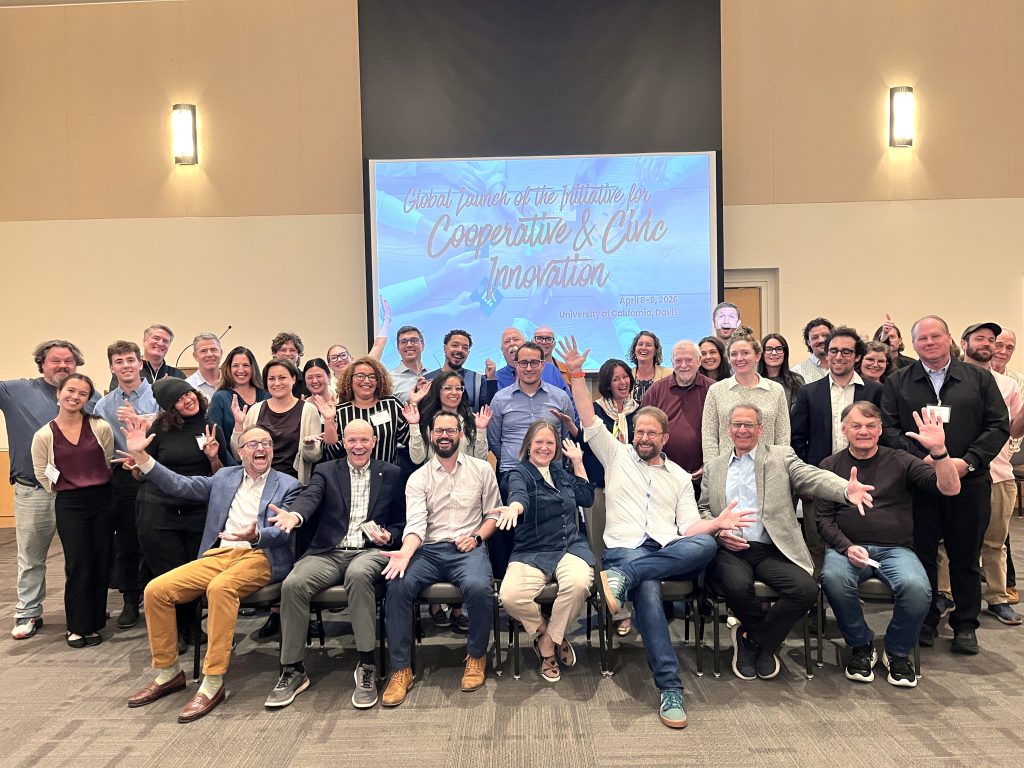
This week I had the honor of representing the Littleton Food Co-op as a supporter, participant, and panelist in the two-day Global Launch of the Initiative for Cooperatives and Civic Innovation (ICCI) at UC Davis. I want to thank Professor Keith Davis for the invitation to get involved, beginning last year, and for his vision and leadership in kicking off this initiative, along with the whole steering committee and many others who brought this event together. One of my favorite things about it was that it was truly a cooperative effort!

The event convened over 100 key leaders and stakeholders who are aligned on the mission of building a world-class entrepreneurial ecosystem for co-ops, one that moves us toward a world of agency, empowerment, innovation, and economic democracy. This initiative is built on three critical pillars:

  1. Actionable Research
  2. Executive Education
  3. Incubation and Engagement

[read the full pillars and more at https://grandchallenges.ucdavis.edu/challenges/reimagining-the-land-grant-university-for-the-21st-century-beyond/icci/]

Here are some highlights from parts of the event that I had a specific role in:

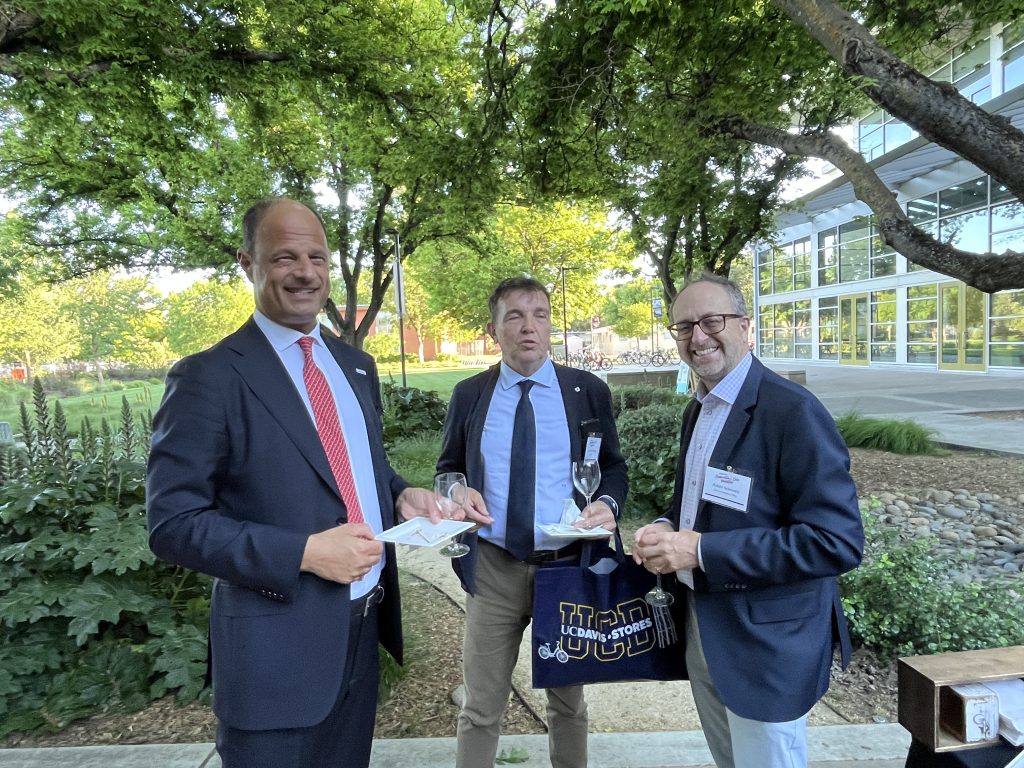
  • Cooperative Case Studies from Northern Italy: 🧀🍷🍇On Day 1, I was asked to introduce and moderate a discussion with two cooperative leaders from the Emilia Romagna region of Northern Italy. Thank you to Carlo Dalmonte, President of Gruppo Caviro, the leading wine cooperative in Italy, and Michele Falzetta, Director General of Latteria Soresina, a premier Italian dairy cooperative and the world’s leading producer of Grana Padano DOP cheese. We talked about the importance of “Patient Capital” and about the circular economy, highlighted by Caviro’s system of eliminating 99% of waste from the wine-making process, turning that potential waste into value for it’s members and the community. There’s a lot we can learn here in the US from the Italian system of cooperation, and I look forward to building on this international exchange through the ICCI. Perhaps convening in Italy next! You know, just to keep it balanced. 😉
  • Incubation and Engagement Pillar: 🤝🌱On Day 2, I sat on a panel focused on the Incubation and Engagement pillar, facilitated by Richard Morris. I was joined by Colin Rinta Stewart of C-Group Cooperative, and Stephen Sudderman of the California Governor’s Office of Business and Economic Development (GO-Biz). The conversation was focused on what is needed in order to accelerate co-op development and scale the co-op system in the US. We talked about the need for co-op friendly financing, and the potential to better leverage cash we already have in the co-op system to access additional capital. We talked about the importance of cross-sector partnerships (i.e. food co-ops, producer co-ops, purchasing co-ops, electric co-ops, finance co-ops/credit unions). And we talked about cross-sector shared digital services and infrastructure needed to address common needs across co-ops and retain value and ownership of data.
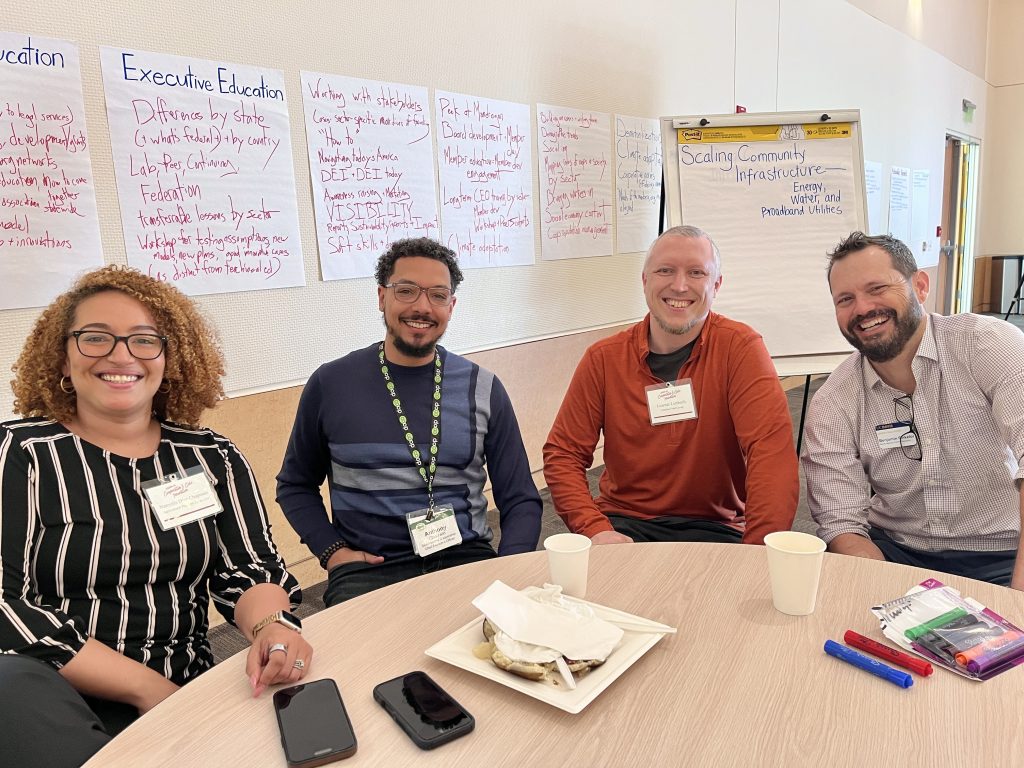
  • Growing Agrifood Solutions: 🚚🔁 Later on Day 2, I participated as a discussant along with other food co-op sector folks in the Agrifoods Solutions breakout group. Anthony Goodwin of the Development Cooperative (NCG DC) presented the case for a national grocery co-op model, which is a priority of the DC currently. I’m also on the DC Board, and this was a great opportunity for us to test some ideas and get valuable feedback. Colin and I presented the vision of the Provisions Co-op Wholesale platform and its value in facilitating regional sourcing and distribution, especially by creating connected networks of food co-ops and producers leveraging shared aggregation and distribution infrastructure. There was discussion about regional coordination among food co-ops, and we heard from Chris from Briar Patch Food Co-op, Laura from Davis Food Co-op, and a contingent from Sacramento Natural Foods Co-op. We also heard from Nanyelis Diaz-Chapman of the Agricultural Platform Collective and Office of Kat Taylor about the amazing work they are doing and opportunities for collaboration to expand markets for farmers and improve food access.

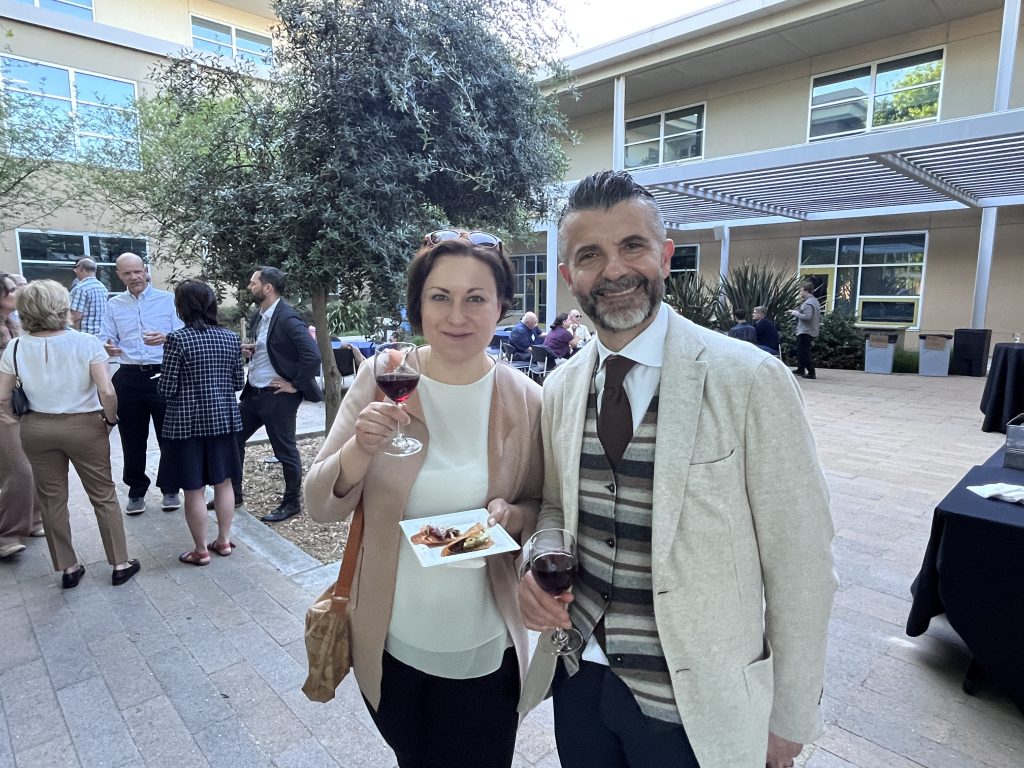
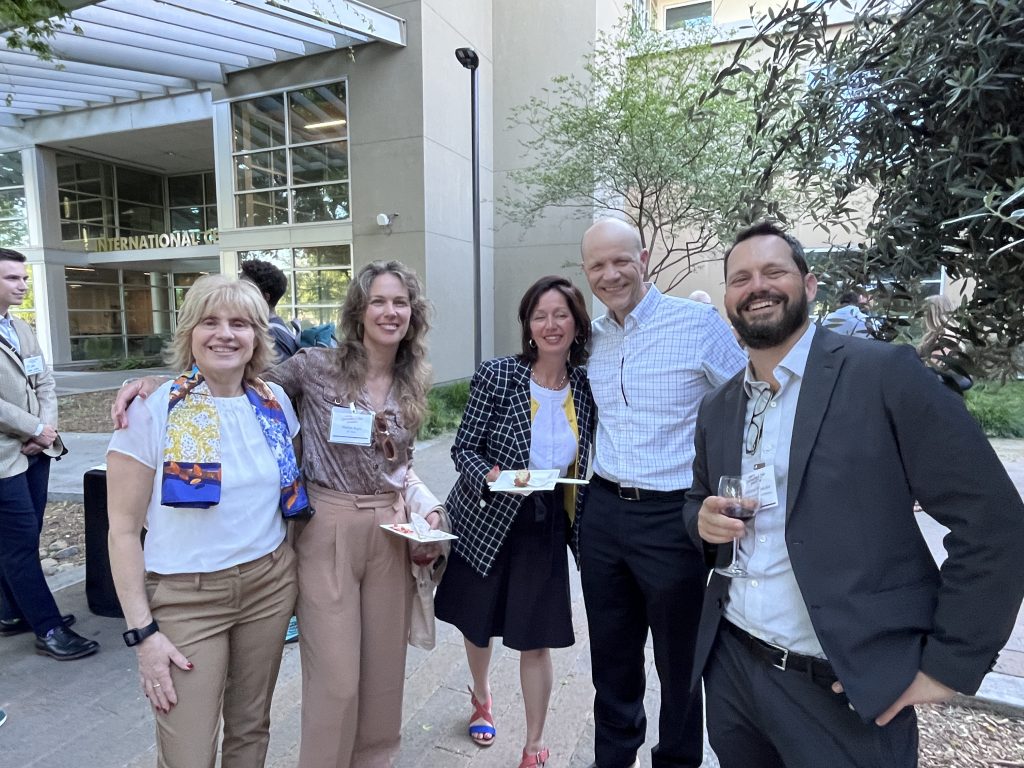
Aside from these highlights, the event was valuable from a networking and relationship-building perspective, which is so important in this work. We’re building a community, and I’m excited about all the budding friendships and collaborations as much as anything. Together we are building a cooperative future!

Big thank you to everyone who participated and contributed to an inspiring week!

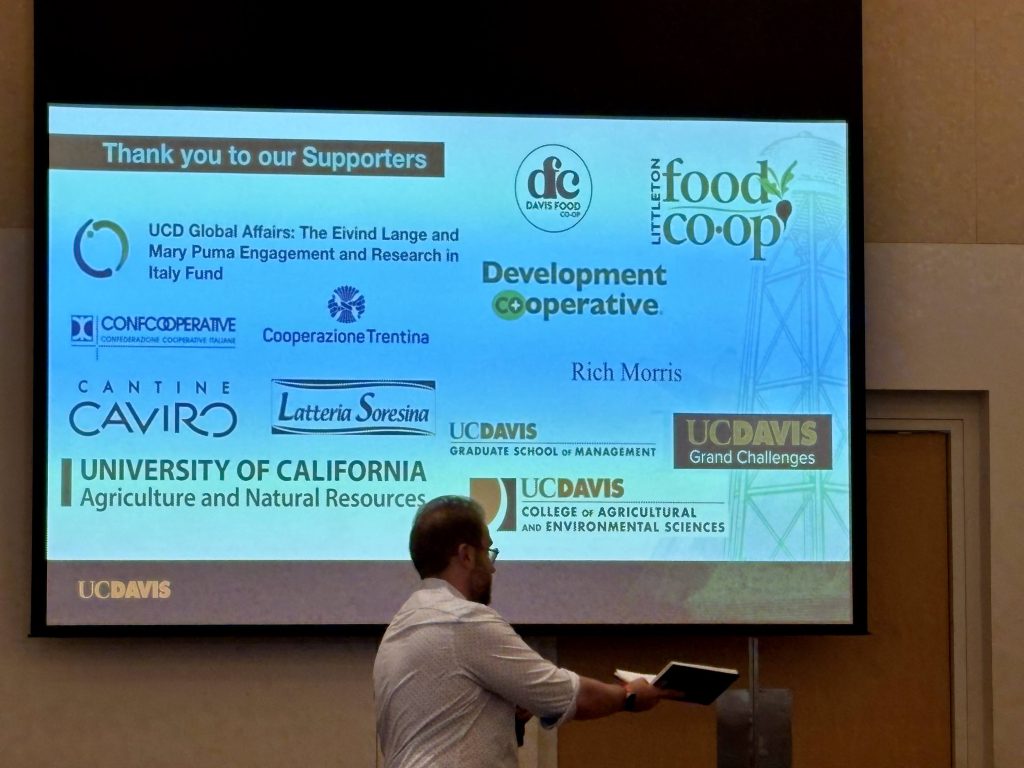
And thanks to each of the event supporters:

Confercoopetive Confederazione Cooperative Italiane, Cooperatione Trentina, Caviro Group, Latteria Soresina, UCD Global Affairs (Eivind Lange and Mary Puma Fund), UC Agriculture and Natural Resources, UCD Grand Challenges, UCD College of Agricultural and Environmental Sciences, Rich Morris, Development Cooperative (NCG DC), Davis Food Co-op, Littleton Food Co-op.

#CooperativeInnovation #EconomicDemocracy #SustainableAg #EconomicDevelopment #LocalEconomy #Cooperatives #CooperativeEducation #Principle6


Filed Under: Co-op Reflections from the CEO, Cooperation Tagged With: CEO, Co-op Ecosystem, Cooperative Education, Cooperative Innovation, Cooperatives, Economic Democracy, Economic Development, Local Economy, Principle 6, Sustainable Ag


Upcoming Events


Senior Member Discount Day

Senior Member Discount Day

May 5, 2026, 7:00 am - 8:00 pm
Senior Member Discount Day is on the 5th!
Member Appreciation Day

Member Appreciation Day

May 9, 2026, 7:00 am - 8:00 pm
Shop and save! Littleton Co-op member-owners save 10% all day on all eligible purchases. Not a member? Sign up today …
Littleton Co-op's 17th Anniversary Celebration!

Littleton Co-op’s 17th Anniversary Celebration!

May 9, 2026, 12:00 pm - 3:00 pm
Everyone is welcome to join us on Saturday, May 9th to celebrate 17 years of the Co-op with free samples, …

View more events here!


Social Icons

Get Our Weekly Newsletter

Every Thursday we release The Weekly Radish, our Co-op newsletter. This contains our latest specials, coupons, member updates, fun articles, recipes, community news, and more. Get it right in your inbox each week! We promise to never share your info, and we will never spam you.

* indicates required
43 Bethlehem Road· On the corner of Cottage St and Rte 302· Exit 41 off I-93· 603-444-2800
Littleton Consumer Cooperative Society, Inc. ®2019 · Designed by Notchnet