Littleton Food Co-op

a community-owned market

Social Icons

Open Daily 7am - 8pm
Meat Counter: 7am - 7pm
Deli: Sun - Thu 7am - 6pm / Fri & Sat 7am - 7pm

  • Home
  • About
    • Departments
    • Recall Info
  • Community
    • The Weekly Radish – News & Specials!
    • Listen to Our Podcast
    • Workshops & Events
    • Diversity, Equity, & Inclusion
    • Sustainability
    • Local Art
    • Partner of the Month Program
    • Littleton Food Co-op Community Fund
    • Healthy Food Access
    • SNAP & Market Match
  • Membership
    • Become a Member!
    • Reports & Governing Documents
    • Patronage Rebates
  • Store
    • The Weekly Radish – Fresh Specials For Everyone!
    • Daily Menu
    • Workshops & Events
    • Local Art
    • Buy A Gift Card Online
    • Online Ordering & Curbside Pickup
    • Party Platters from the Co-op
    • Local Vendors
    • Bulk Item Lookup
  • Careers
  • Board of Directors
    • Meet the Board of Directors!
    • Co-op Board Elections
    • Join The Board
    • Reports & Governing Documents
  • Contact & FAQ
    • Become a Vendor
    • Frequently Asked Questions

Using Overlooked Ingredients to Reduce Food Waste

September 16, 2021 By Littleton Food Co-op

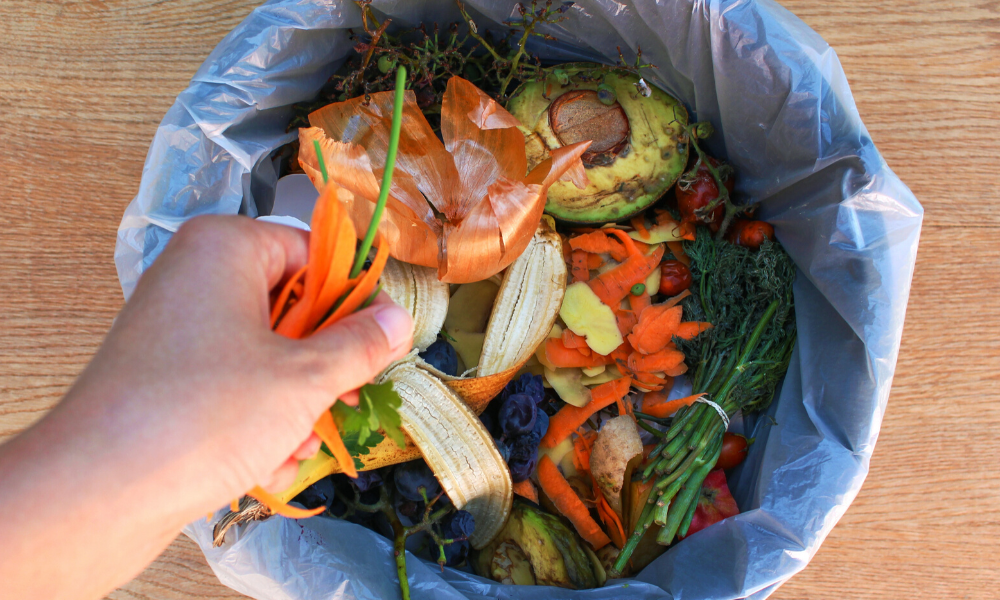
Many of us cook at home and throw away perfectly good food scraps, trimmings, and peels, which could be otherwise used in lots of delicious recipes! Not only is it economical to make the most of the food in your pantry and fridge, it’s also eco-friendly to use up everything and keep it out of the landfill. Here are some delicious recipes that use odds and ends which often get overlooked and discarded – not only do they reduce food waste, but include ingredients that add a lot of creativity and delicious, unexpected flavors to your cooking!


Apple Core Syrup

Ingredients

18 – 20 APPLE CORES – DESEEDED
2 CINNAMON STICKS (OPTIONAL)
1/4 CUP HONEY

Directions

Add apple cores to a large pot with 4 cups water and cinnamon sticks, if using.
Simmer over medium-low heat for 1 hour, stirring and pressing down on cores with a wooden spoon occasionally.
Strain out cores using a fine-mesh strainer, and return the liquid to the pot.
Reduce by half over low heat, 15 – 20 minutes, and add honey. Stir to dissolve, and cook for an additional 5 – 10 minutes.
Remove from heat, and let cool completely.

Store in the fridge in airtight jars for up to 2 weeks.


Broccoli Stem Salad

Ingredients

BROCCOLI STEMS
1/2 TSP. SALT
1 CLOVE GARLIC, MINCED (OPTIONAL)
1/4 TSP CANE SUGAR
1 TSP SESAME OIL

Directions

Cut off the broccoli stem from the florets Ingredients and reserve the florets for another dish
Trim off the outer layer of the broccoli skin from the stem using a knife and/or a vegetable peeler.
Rinse the stems before cutting them into small bite-sized pieces.
Place the broccoli stems in a small bowl and add the salt and garlic.
Let it marinate for 30 minutes.
After 30 minutes, drain any excess liquid and give the broccoli a quick rinse and drain to remove any excess salt
Add the cane sugar and sesame oil (to taste) and refrigerate to serve cold.


Easiest Ever Carrot Chips

Ingredients

4 MEDIUM CARROTS
1 – 3 TEASPOONS OLIVE OIL
1/8 TEASPOON SALT

Directions

Preheat the oven to 400 degrees F.
Peel carrots, then slice into strips using the vegetable peeler. Avoid rotating the carrot for as long as possible to make wider sections; the thicker the pieces, the better they will turn out!
Add the carrot strips to a bowl, and toss with olive oil. Start with a smaller amount— you don’t need much! If they seem dry at the full 3 teaspoons, add another teaspoon.
Place carrot peelings in a single layer on a cookie sheet, sprinkle with salt.
Bake for 10 – 20 minutes until crispy, tossing once or twice during cooking. (Exact cook time will depend on the thickness of the slices).
Serve and enjoy!


Rosemary & Olive Oil Crackers

Ingredients

3 CUPS ALL-PURPOSE FLOUR
1 TEASPOON SUGAR
1 TEASPOON SALT (SET ASIDE TWO PINCHES)
1 CUP WATER
1/4 CUP OLIVE OIL
1 TABLESPOON DRIED ROSEMARY

Directions

Set oven racks to the lower half of the oven and then preheat to 450 degrees.
In a bowl, mix 3 cups flour, 1 teaspoon sugar, 1 teaspoon salt (minus two pinches, set aside), and 1 tablespoon dried rosemary
Add 1 cup water and 1/4 cup oil. Stir until a soft, slightly sticky dough forms. Adjust with additional water or flour as needed
Put half the dough on one large baking pan.
Roll out to 1/8 inch or less, directly on the pan. Cut into pieces using a rotary cutter (such as a pizza cutter) – rectangles, squares, triangles, whatever shape is desired– just keep them all uniform in shape and size.
Brush with water and evenly sprinkle on a pinch of salt over dough. Prick with a sharp tool (fork, skewer, knife, etc.) so the crackers bake flat without puffing up too much.
Repeat with the second half of the dough then bake for about 15 minutes, switching and rotating pans halfway through.
Remove crackers from the pans as they turn brown and let under-baked ones continue baking. Cool on a cooling rack until they are crunchy.

Store in a jar for up to 5 days.


Egg Shell Powder

Ingredient

DOZEN EGGSHELLS, RINSED

Directions

Preheat the oven to 225 degrees F.
Bring a medium pot of water to a boil. Add the eggshells and cook for 2 minutes.
Remove the shells from the water and transfer them to a baking sheet.
Bake the shells for 45-50 minutes, until they are completely dried out.
Transfer the dried shells to a spice grinder or high-powered food processor.
Blend until the shells are completely broken down into a fine powder.

The eggshell powder will keep in an airtight container in a cool, dry place for up to 3 months. Add to smoothies for a calcium boost.


Kale Stem Hummus

Ingredients

1 CUP DRIED CHICKPEAS
1 TEASPOON BAKING SODA
STEMS FROM 1 BUNCH KALE (SEE NOTE)
3 GARLIC CLOVES
2/3 CUP TAHINI
1 TEASPOON FINE-GRAIN SEA SALT
2/3 CUP FRESHLY SQUEEZED LEMON JUICE
ICE WATER
EXTRA VIRGIN OLIVE OIL, FOR SERVING

Directions

The night before:
Place the chickpeas in a large bowl, cover them with at least 2x their volume of water, and soak overnight.
The next day:
Drain and rinse chickpeas.
Add chickpeas and baking soda to a medium-size pot over high heat, and stir constantly for 3 minutes.
Add 6 – 8 cups of water and bring to a boil.
Reduce the heat to medium. Cover the pot and simmer for 45-60 minutes until the chickpeas are very tender. Check on them occasionally to skim off any foam or chickpea skins on the surface.
Fill another medium-size pot with water and bring to a boil. Add kale stems and cook 30-45 minutes until they are very tender, then drain.
Blend kale stems, garlic, and tahini in a food processor.
Once the chickpeas are cooked, drain & add to the kale stem mixture along with salt and lemon juice. Blend until smooth.
Add 2 tablespoons of ice water and blend for 5 minutes until the hummus is creamy. Continue adding ice water gradually, blending as needed.
To serve, spoon into a shallow bowl and drizzle with olive oil.

Store in the refrigerator for 3 to 5 days or frozen for up to 3 months.


Carrot Top Pesto

Ingredients

1 CLOVE GARLIC CHOPPED
2 TBSP FRESHLY-SQUEEZED LEMON
JUICE (ABOUT 1/2 OF A LEMON)
1 TSP FRESH LEMON ZEST
(ABOUT 1/2 OF A LEMON)
CARROT TOPS FROM 1 LARGE OR
2 SMALLER BUNCHES OF CARROTS
(YIELDS 1 CUP BLANCHED)
1/4 CUP FRESH MINT LEAVES
4 GREEN ONIONS FRESH GREEN PARTS ONLY
1/2 CUP RAW WALNUTS (OPTIONAL)
3 TBSP OLIVE OIL
SALT AND PEPPER TO TASTE

Directions

First, blanch the carrot tops:
Bring a pot of water to a boil, and prepare a large bowl with ice cubes and cold water in it.
Remove thick stem pieces, then add the carrot tops to the boiling pot, stirring occasionally.
Once the carrot tops are bright green and tender, remove them from the pot, drain, and dunk in ice water.
Drain, wring out excess liquid and spread on a plate to dry.
Add all of the ingredients except olive oil to the food processor and blend into a chunky paste.
Add the olive oil a tablespoon at a time until combined.
Season to taste with salt, pepper, and more lemon juice if desired.

Once cooled to room temperature, store in the fridge in an airtight container for several days. The bright green color may fade to a darker green – this is normal.

To use as a pasta sauce, cook your pasta in salted water according to package directions.
Reserve 1/2 cup of pasta cooking water, drain the pasta and return it to the pot.
Add the reserved cooking water and carrot top pesto, stir to combine, and cook over low heat until warmed. Serve immediately.

Filed Under: Sustainability, The Weekly Radish Newsletter

Staying Eco-Conscious During COVID-19

July 8, 2020 By Anastasia Maher

On a large scale, the Coronavirus pandemic has given us hopeful stories relating to how our global slowdown has resulted in positive environmental signs, such as reduced carbon emissions and cities with clearer water than ever before. But on a more individual level, many people are finding their eco-conscious habits interrupted, either by state mandates or by personal concerns about contamination and just how far one reusable really does travel. However, there are still ways to practice environmental sustainability without breaking any laws or making yourself feel uncomfortable. 

Speaking of uncomfortable: It is important to note that we *are* currently living through a global pandemic right now, where self preservation should be of the utmost importance. If environmental sustainability is not at the forefront of your mind right now that is completely and totally okay. Being an eco-warrior is a lifelong journey, and as we know, journeys often veer off their intended path. But the path is always available when you’re ready to start again. 

1. Leave your reusable bags in the car

We know, this one sounds a little silly. Isn’t the point of bringing your reusable bags into the store to…ya know…bring them into the store? At the time of publication (7/8/20) Governor Sununu’s mandate is still in place that no personal or reusable bags can be used in the store. Yes, even if you leave them in the cart. Yes, even if you bag yourself. No bags in the store. So where does that leave us? Our innovative customers have found the perfect way to get around this is to leave your bags in the car, repack your groceries into your basket or cart, and wheel them outside to be packed in the car. It may take an extra minute or two out of your day, but it will save a lot of material from your trash can. Thanks to the genius customers who suggested this practice! 

Feedback on the temporary reusable bag ban? Contact Gov. Chris Sununu at (603) 271-2121


2. Shop in the bulk department

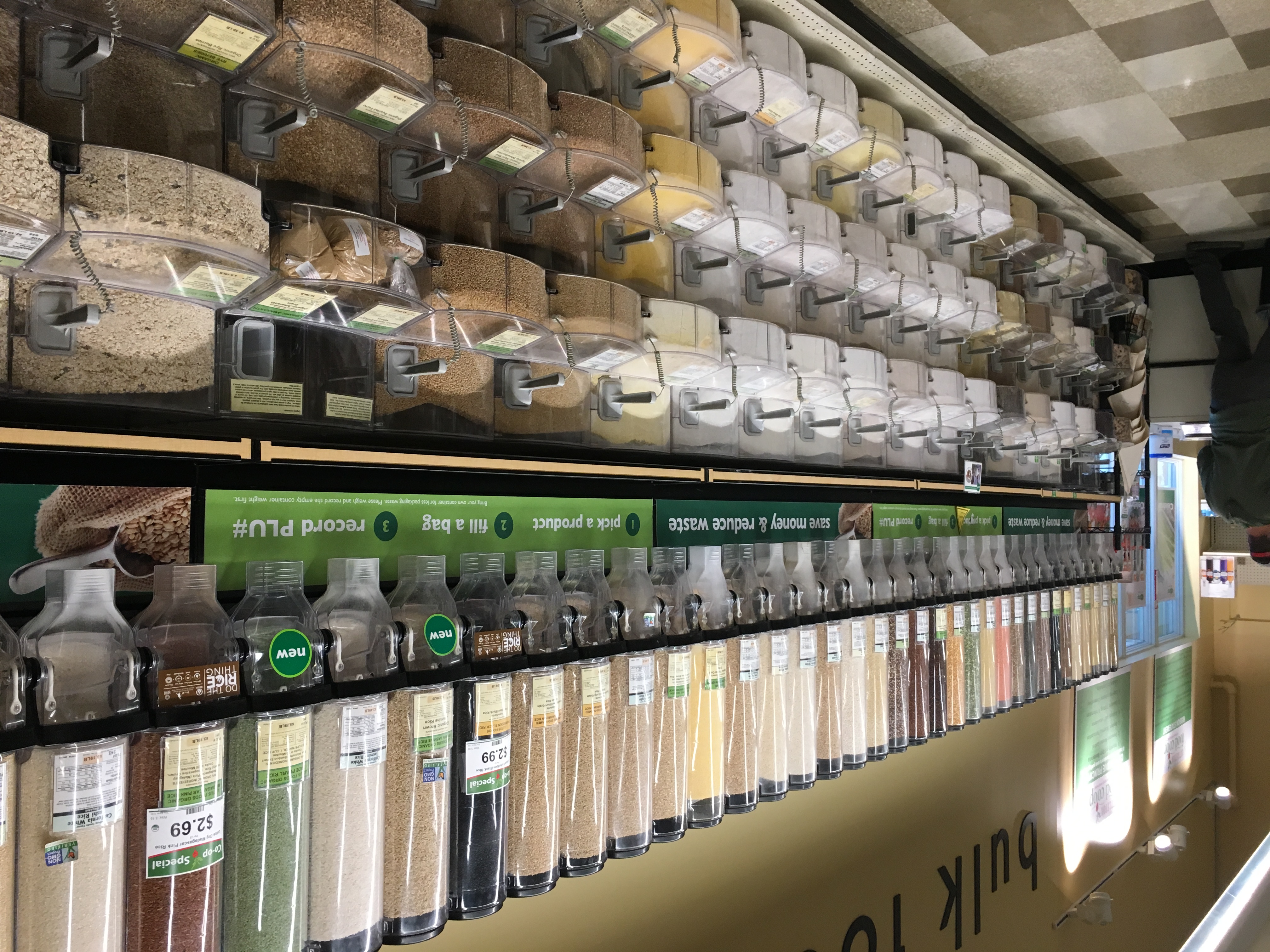
While bags at the front end are a no go, we can still invite (and encourage) customers to use their own containers in the bulk department. The bulk department is where you can get grains, nuts, baking supplies, coffee, and more with zero packaging. All you have to do is get the weight of your empty container; strap on a pair of gloves (available at the bulk section); fill your container with one bulk product; and label the container with the PLU (price-look up) number. You don’t have to worry about disposing of the packaging or paying an extra price for the packaging on your favorite staples. 


3. Look for packages with naturally reusable containers


Aside from the bulk department, many other reusable containers sit hidden in plain sight throughout the store. Some are purposely designed to be reusable and will advertise themselves as so. For instance, one popular item is cheesecake varieties that come in reusable glass ramekins. Hatchland Farms offers milk in glass bottles for a $2 deposit; you can either keep the container or bring it back to the store for your deposit and Hatchland will use it again (after sanitizing it of course). There are more reusable containers throughout the store, but you have to be more creative to find them. An old oatmeal container can make an innovative car trash can with a lid. A wine or kombucha bottle makes a thrifty vase. A deli package can be rinsed and used to pack another lunch. The possibilities are pretty far reaching. 


4. Be conscientious about your produce bags

Many of us still retain the mindset from our parents that it goes “pick up a piece of produce, put it in a bag.” But, it doesn’t always have to be like that. Some produce comes with it’s own natural bag, like a peel or a rind that you wouldn’t eat anyways. In addition, it is recommended you wash your produce when you return home anyways, which will do the job of a bag in getting rid of any unwanted germs. Another option is to put the produce sold by the each with others sold by the each; for example, avocados, lemons, and scallions can co-habitate. This is not a precursor to us removing the produce bags; they will always be there for those who want them. All we ask is before you reach for that white or green bag you pause and ask yourself, “do I really need a bag for that?”


5. Try making fewer larger trips instead of more frequent smaller trips

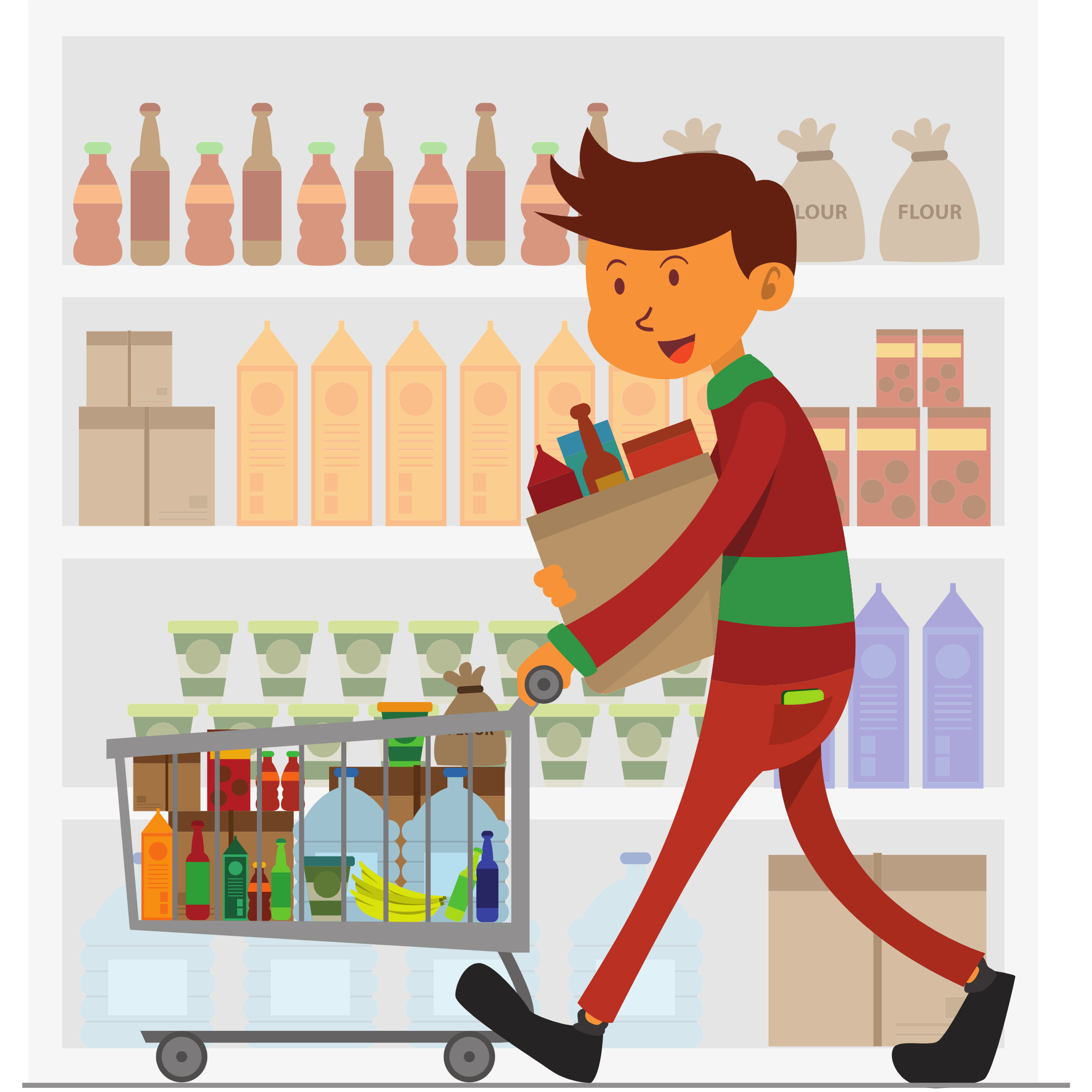
This doubles as a Coronavirus protection tip and a sustainability tip. The easiest way to point out the eco-value of this strategy is in the gas you save driving or otherwise getting yourself to the store. But in addition, think about this: how many times do you get to the cash register and say “I wasn’t planning on buying this much?” Pretty often, right? We naturally lean to wanting to fill the basket or cart we have, even if it means through unnecessary items and impulse buys. This isn’t fun for your wallet, but it also means more packaging used and potential food waste. Going to the Co-op with the intention of filling your cart means your cart will be a greater percentage of the food you actually need, the minimum packaging required, and you will have to expose yourself to all the people in the store less. Don’t be embarrassed either about your cart size at checkout–no matter how big you think your order is, we’ve seen bigger. 


6. Keep reusable silverware in the car

We’ve all been there; you enter the store and smell something delectable and you think “I’ll just take a glance at the prepared foods section.” And 20 minutes later you’re walking out with 3 sides, 2 entrees, and a dessert to share. While we’re happy to provide you with silverware, a great tip is to keep one or two sets in the glovebox of your car. Keeping some reusable silverware in a pencil pouch or other storage means you’re always ready for an impromptu picnic or a new item that just can’t wait until you get home. If you are concerned about the spread of germs and bacteria through surfaces, this is also a way to ensure you are the only one handling your eating utensils. 


While these are all tips and tricks for staying more eco-conscious during the pandemic, they can certainly be applied to any moment of your life, or even any retail establishment outside of your local food co-op. What environmental sustainability tricks have you discovered recently? 


Filed Under: Sustainability, The Weekly Radish Newsletter

Plastic Bags at the Co-op

April 22, 2019 By Littleton Food Co-op

On June 1 we’re quitting the use of plastic bags at checkout! Why? Lots of reasons.

For starters, it’s ecologically responsible, the timing is right, and it fits our mission.

Sustainability is important to us here at the Co-op – as we said, it’s part of our Mission to promote healthy choices for people and planet. Because of this, we have an employee “Green Team” that researches and makes recommendations on ways we can improve the ecological impact of our store. We actively recycle, we are always looking for better eco-friendly packaging, and we continuously work to reduce our carbon footprint. Now, we’re working on reducing our plastic use in the store. We’ve spent a lot of time researching this and considering the alternatives, and we decided to the best thing to do is start with the plastic bags at the front registers.

We also feel it’s important to get a jump on the nationwide “Ban the Bag” trend, especially here in the North Country. As you may have heard the New Hampshire legislature is currently debating just such a measure for 2020. Whether or not it passes we feel we’d be remiss not to address the issue ourselves first, whether or not we’re legally required to.

We understand that there are divergent views on this topic. Many of our customers wanted us to do this years ago, while others are perfectly happy the way things are. Change is always a challenge, but we feel as an organization that the time for this change is now.  We’re learning as we go, and as always, we *******@***********op.org“>welcome your feedback*******@***********op.org“> and ideas.

FAQ

Why Not Paper Bags?

  • Paper bags actually produce more waste and require more chemical processing than plastic.
  • Paper bags also cost significantly more than plastic bags.

Why Not Plant-Based & Compostable Bags?

  • We can’t dispose of them properly – there are no local industrial composting centers in our area (we really looked!)
  • Alternative plastics can contaminate plastic recycling and they are difficult to identify and separate.
  • We haven’t found any that are sufficiently durable (we’re picky like that).

What can I put my groceries in?

  • Buy a recycled paper bag at the register for 10¢ each.
  • We’ll also have assorted re-usable bags available for sale, at wholesale cost.
  • Re-use a grocery box from our awesome box stash
  • Bring your own container, box, bag, or basket, and we’ll pack your purchase in that.

What about the rest of the store?

We’re getting there. We realize there are areas of opportunity in other parts of the co-op, and we are experimenting with different options in our bulk, deli, meat and produce departments. It’s important to also be mindful of food safety, so we are keeping plastic available in some areas for the time being until we find an alternative. In the meantime we decided to dedicate our efforts to one area (the registers) first, so we could sort out any issues before moving on to other parts of the store.


Filed Under: Sustainability, The Weekly Radish Newsletter

  • « Previous Page
  • 1
  • 2


Upcoming Events


Free Sampling with Stowe Cider

Free Sampling with Stowe Cider

December 11, 2025, 4:00 pm - 6:00 pm
Stowe Cider will be in store on Thursday, December 11th to sample a selection of their Vermont-crafted hard ciders from …
HolidayFest & Member Appreciation Day 2025

HolidayFest & Member Appreciation Day 2025

December 13, 2025, 12:00 pm - 3:00 pm
Get ready to celebrate the most epic Holiday Fest ever- filled with joy, laughter, and endless festivities! All are welcome …
Littleton Food Co-op Board Meeting

Littleton Food Co-op Board Meeting

December 15, 2025, 5:00 pm - 6:30 pm
Join us each month for our upcoming board meetings on Zoom or in person.

View more events here!

Get Our Weekly Newsletter

Every Thursday we release The Weekly Radish, our Co-op newsletter. This contains our latest specials, coupons, member updates, fun articles, recipes, community news, and more. Get it right in your inbox each week! We promise to never share your info, and we will never spam you.

* indicates required
43 Bethlehem Road· On the corner of Cottage St and Rte 302· Exit 41 off I-93· 603-444-2800
Littleton Consumer Cooperative Society, Inc. ®2019 · Designed by Notchnet